
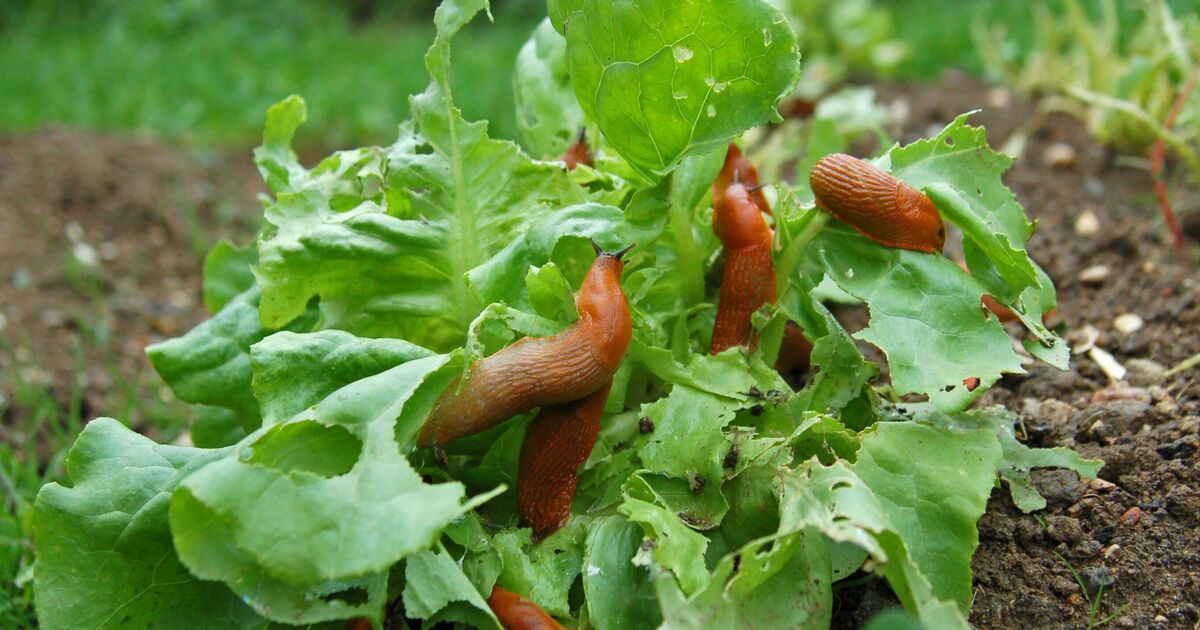

You won’t need chemical deterrents to stop a slug and snail invasion in the garden this summer (Image: Getty)
As the months and seasons move along, you may have noticed the presence of pesky critters becoming more and more prominent. A common issue many gardeners and households face is slugs and the damage they can cause to plants by eating them.
The increasing temperatures help to accelerate a slug’s metabolism and breeding cycles, which is why it can appear as though they are everywhere in the garden. Combined with summer rain, this warmth creates ideal conditions for them to feed on garden plants and flowers. As slugs grow faster their appetite increases, meaning that your garden display can become a prime target for the critters.
Apply a strip of copper tape to the base of bin stores and planters (Image: Getty)
Although it may be tempting to go directly to the shop and buy a chemical-based product to ward off slugs, there are a number of natural deterrents which are just as effective.
Gardening and pest experts shared their top natural methods for keeping slugs at bay during the summer with DailyExpress.co.uk, and some of them you may already have in your home. If you’re struggling with the likes of slugs and snails in your garden, here are some of the best natural defences you can find.
Ryan Kaila and Kingfisher Direct – Copper tape
Ryan said: “I recommend using copper tape around bin stores and planters in order to deter slugs. Slugs love damp, sheltered spaces, and in summer they can often be found around food waste bins, compost bins and recycling areas where there’s moisture, shade or small traces of organic residue too.”
When using the tape, apply a strip of copper tape around the base of bin stores, food waste caddy areas, plant pots, raised beds or any outdoor storage area where you’re finding that slugs are tending to gather.
Make sure that the tape forms a complete barrier with no gaps at all, and make sure to keep the area around it clear so that slugs can’t use any weeds or fallen leaves as a bridge.
Ryan continued: “Copper tape works because when a slug comes into contact with the copper, it reacts with the slime on its body and creates a sensation that they don’t like, which makes them much less likely to cross it. It’s a good option because it doesn’t involve harsh chemicals, it doesn’t injure the slug, it’s easy for households to apply, and it can be used both around vulnerable plants and around the areas that may be attracting slugs in the first place.”
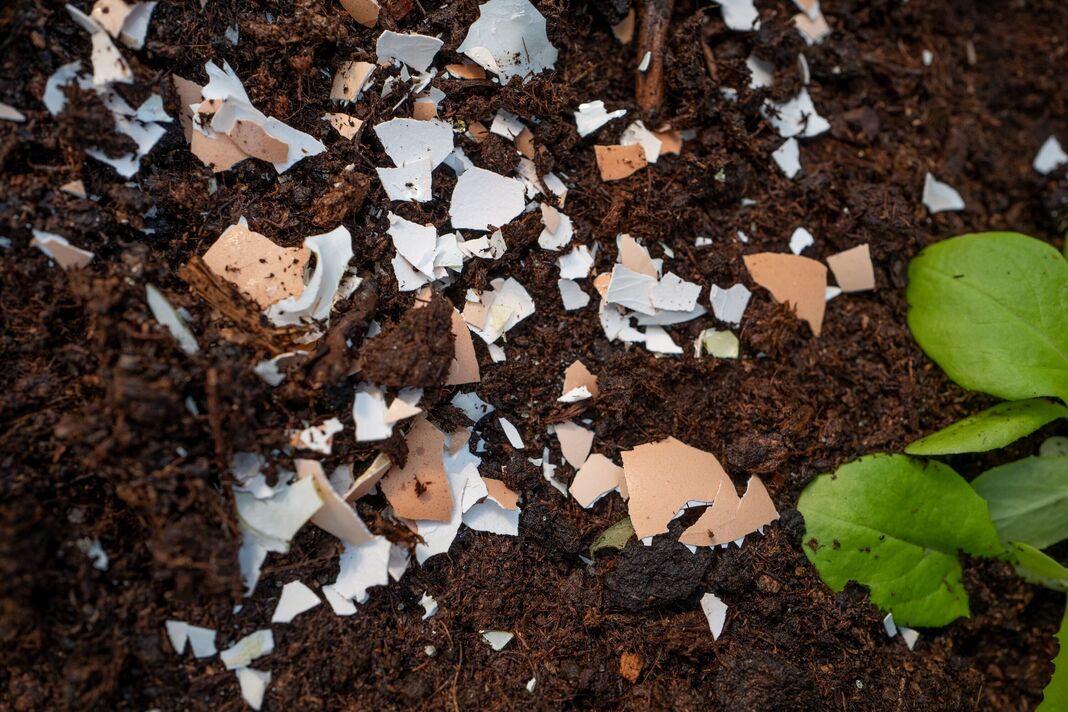
Eggshells are a low cost option that most households have access to (Image: Getty)
Mosh Latifi, Co-Owner, EcoCare Pest Management – Copper tape
Mosh agreed with Ryan’s suggestion, saying: “Copper tape is the most reliable and long-lasting natural slug deterrent available to households and it works brilliantly throughout the summer without needing to be replaced or reapplied. Slugs navigate on a layer of mucus and when they come into contact with copper, a mild electrochemical reaction occurs between the copper and their mucus that is genuinely unpleasant for them.
“They turn back rather than cross it. Stick copper tape around the rim of pots and planters, along the edges of raised beds or at the base of any structure you want to protect. Unlike coffee grounds or eggshells which wash away and need constant replenishing, copper tape stays in place all season. It costs a few pounds from any garden centre and does the job quietly and reliably without any chemicals, harm to wildlife or ongoing effort.”
Martin Chaplin, Head of Horticulture at Hedges Direct – Eggshells
Martin explained: “If I had to recommend just one natural method for deterring slugs, it would be using crushed eggshells around vulnerable plants. It’s a simple, low-cost solution that many households already have access to, and the rough, sharp texture creates a barrier that slugs are often reluctant to cross.
“To use them effectively, allow the eggshells to dry completely before crushing them into coarse pieces and scattering them around the base of plants. You’ll need to top them up occasionally, particularly after heavy rain, but they’re an easy way to recycle kitchen waste while helping to protect young plants throughout the summer.”
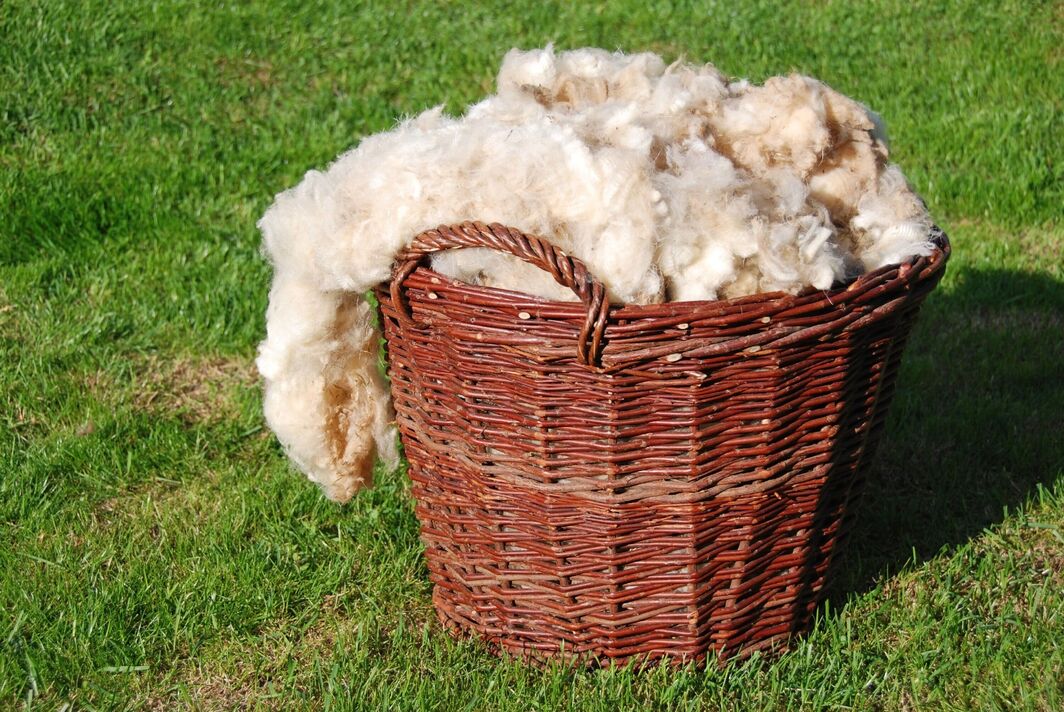
Sheep wool can create a barrier around plants (Image: Getty)
James Copley, Chief Executive Officer of Copley Pest Solutions – Sheep wool
James said: “Using sheep wool is my number one best natural method for deterring slugs. Slugs rely on smooth, moist surfaces to move and sheep wool will disrupt their ability to move freely around your garden. Sheep wool is dry, tangled, and uncomfortable for slugs to move across, and the wool also absorbs moisture around the base of plants, making the area less inviting to slugs.
“There are two forms of sheep wool that you can use to deter slugs, wool pellets and raw wool. The wool pellets expand when they get wet and come together to form a rough barrier, which makes them more resistant to rain. Raw wool works well when you have access to a local source, but requires you to continuously check it and replace it. You also have to lift the raw wool to make sure slugs are not sheltering underneath it.
“Sheep wool is used by placing a thick continuous ring around any plants you want to protect, ensuring there are no gaps. The barrier may need to be refreshed or fluffed every once in a while if compacted.
“Overall, sheep wool is one of the most reliable natural slug deterrents because it combines a natural physical barrier with soil-friendly benefits, making it practical for everyday summer garden use.”
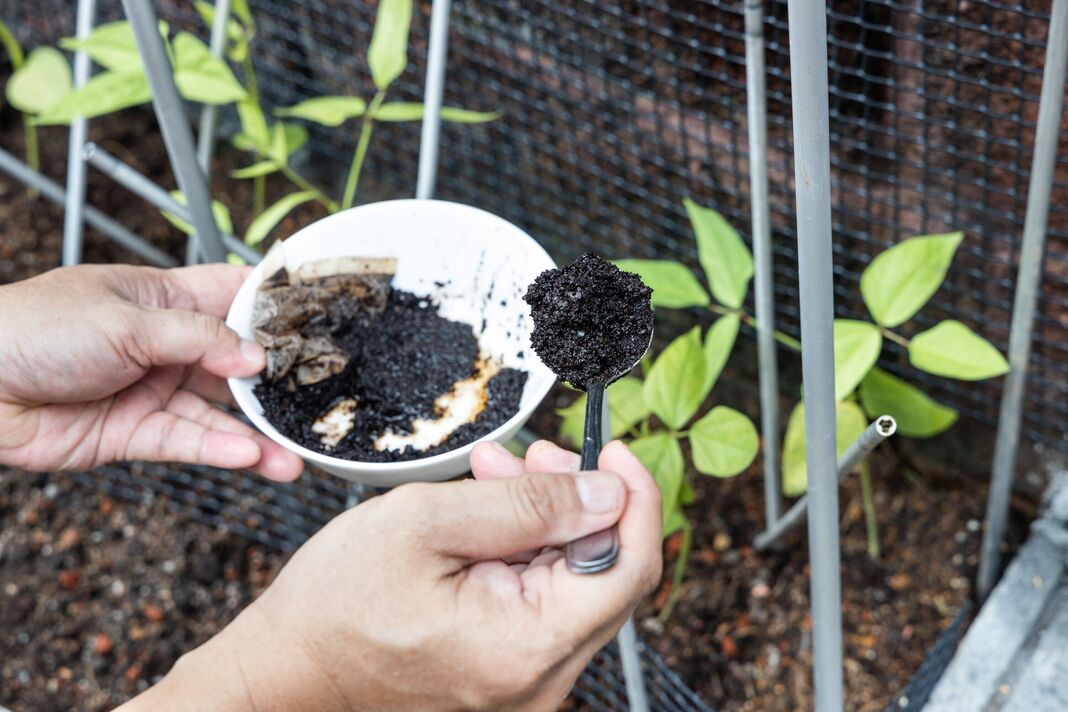
Slugs and snails don’t like the strong aroma coffee emits (Image: Getty)
Chris Bonnett, founder of GardeningExpress.co.uk – Coffee grounds
Chris said: “Snails and slugs can be one of the most harmful pests for your precious garden plants. This is because they often go unnoticed until you go to the garden one morning and discover that your crop is ruined, with slimy trails next to it.
“With the weather warming up and spring showers expected over the following months, gardeners need to take action to ensure the slug population doesn’t take over their gardens.
“Instead of grabbing the first slug and snail deterrent from the shop, opt for more natural ways to get rid of these pests without harming the other wildlife and plants in your garden.
“You can find some of the most effective snail deterrents in your kitchen – salt, coffee grounds and eggshells are all great for keeping the slugs at bay.”
He continued: “Sprinkling coffee grounds around your plant is an effective way to deter slugs and snails as they don’t like the strong aroma and the texture is also unpleasant for them to crawl over. Like eggshells, coffee grounds can also enrich the soil as they decompose.”
Comments are closed.