
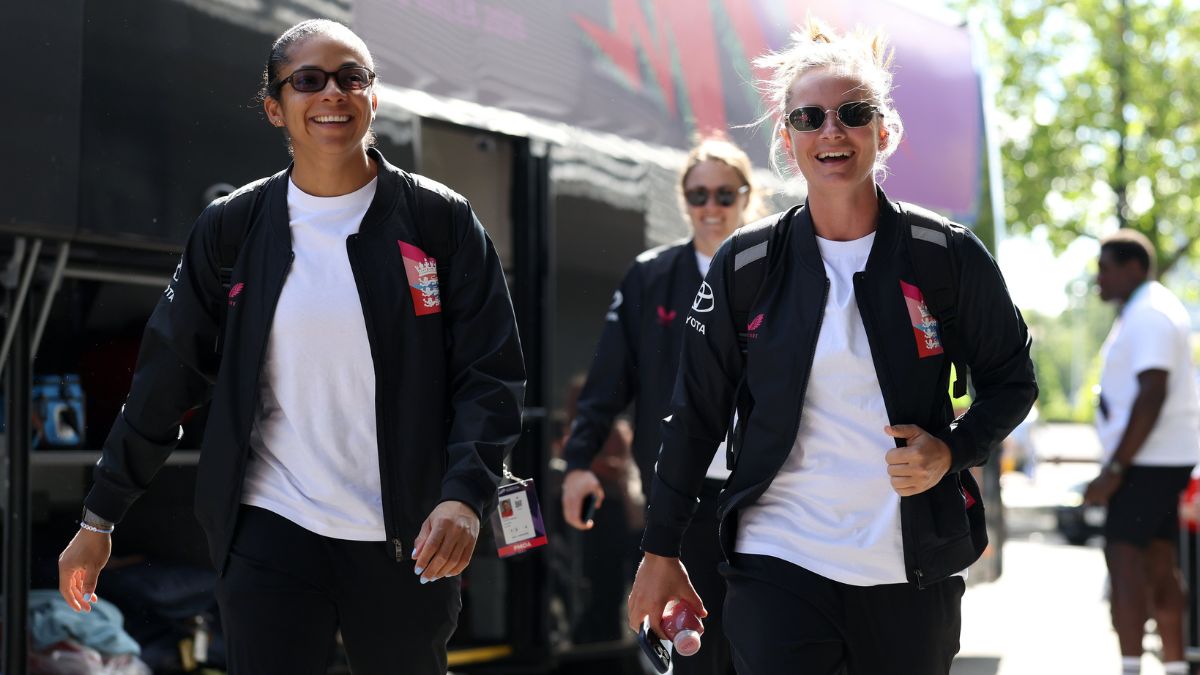

One hundred plus female cricketers now take part in the ICC’s safeguarding effort, as the organization pushes back on digital harassment throughout the current Women’s T20 World Cup cycle, leading into 2026. Running on an artificial intelligence system called Freedom2hear, the program scans social platforms for toxic posts – filtering them out so athletes can interact without constant threat. While bots flag insults and threats automatically, real oversight ensures mistakes are caught; players gain space to breathe online.
Behind the scenes, shifts in tech behavior help shape how fast responses happen, adjusting as new patterns emerge across accounts.
On June 26, the ICC shared that almost 60,000 offensive comments had been wiped out by the system since play began. Over fifty fresh players signed up before the event started, pushing the count past one hundred female cricketers involved. While seven of twelve squads now fall within its reach, referees, media crews, and the ICC’s own online accounts also stay shielded through the effort.
ICC AI Tool Removes 60,000 Abusive Posts During Women’s T20 World Cup
According to the ICC, the AI-powered system reviewed nearly 250,000 social media comments during the opening week of the tournament.
Of those, almost 60,000 harmful posts were removed. The platform also temporarily restricted more than 2,000 repeat offenders and permanently blocked 370 user accounts for violating community standards.
Now picture this: the ICC ties that roll out to a wider push for cricketers’ well-being, headspace care, and protection at every level worldwide.
For Radha Yadav, India’s left-arm spinner, stepping into the initiative felt natural once online hate started piling up. A steady rise in bitter posts pushed her toward saying yes without pause.
“Social media can be such an amazing resource for me to interact with friends, family and fans all over the world, but it’s also become an increasingly toxic space, especially for female athletes,” Radha said.
Fans might not see it, yet Amy Jones knows the toll that harsh words online can take on a player representing England. As both batter and keeper, she faces challenges beyond the field – ones typed out in silence by strangers.
“It is something that we sadly have to deal with as international athletes in the public eye, and it can harm you when you are simply trying to play the game to the best of your ability,” Jones said.
Back in 2024, Scotland’s Sarah Bryce stepped into the program – her role both behind the stumps and at bat shaping her view. She called it transformative, though not without pause. One moment changed how she saw everything after that.
Also read: Can India finally conquer Australia? Harmanpreet Kaur makes bold statement ahead of Lord’s clash
Bryce reckoned the ICC’s player protection effort changed things big time – peace of mind now reaches even the youngest athletes deep in social media circles.
A Growing Focus on Player Wellbeing
Starting with the 2024 Women’s T20 World Cup, the ICC rolled out its Player Protection Programme. Now seen at all major tournaments, it became a regular feature after that debut.
Because smart filters now catch harmful messages early, fans might keep cheering without facing as much abuse online. The group overseeing things thinks this shift could let voices stay loud yet safer at once.
When online hate targets sports stars worldwide, the ICC sees its Player Protection Program stepping up – not by shutting fans out, but by shielding minds. A quiet shift grows louder: support matters just as much as performance. Behind every post can hide pressure, yet balance stays key.
Not blocking voices, simply building safeguards. Mental health gains ground when systems adapt slowly, steadily. What used to be ignored now takes space – without silencing crowds
Comments are closed.