

If you are thinking of getting your uterus removed, then first know these serious consequences.

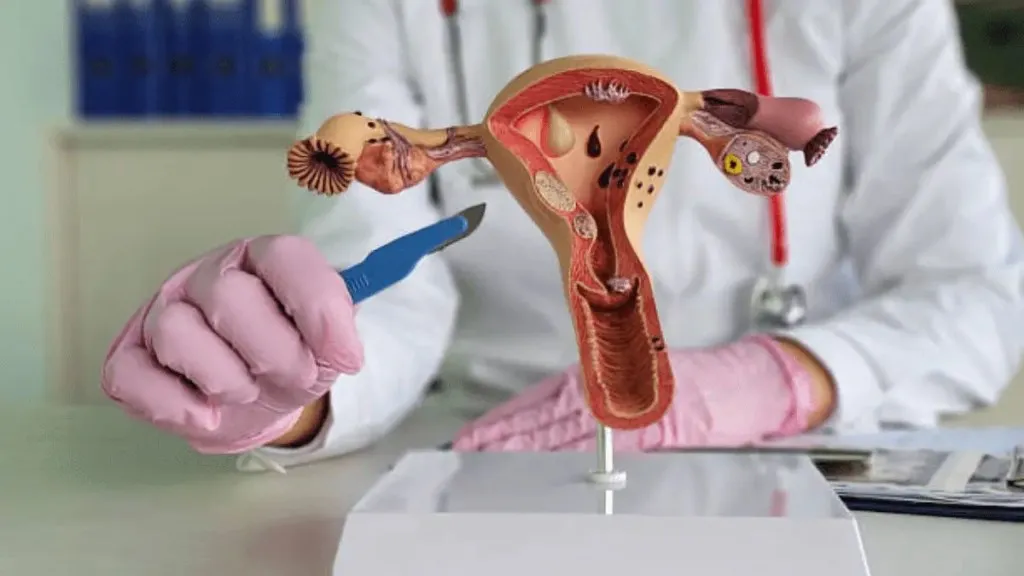
Side Effects of Uterus Removal: Heavy bleeding, irregular periods and PCOD are such problems that women have to face with increasing age. To get rid of these problems, many women decide to get their uterus removed before their time and age. Hysterectomy, also known as uterus removal surgery, is a serious surgical procedure performed to treat various disorders related to women’s reproductive organs. This surgery protects from serious diseases like cervical cancer, fibroids and tumors. However, like other surgeries, it may have some side effects. If you are thinking of getting a hysterectomy done and are worried about its side effects, then know about its causes, side effects and prevention measures.
Indications for hysterectomy
Hysterectomy is the procedure to remove the uterus, which may be necessary in the following medical conditions.
Uterine Fibroids: These noncancerous fibroids grow in the muscles of the uterus, causing heavy bleeding, pelvic pain, and pressure on the bladder or rectum.
Endometriosis: In this, the lining inside the uterus starts growing outside, causing pain and discomfort.
Abnormal Uterus Bleeding: Long or heavy periods may be a sign of fibroids, endometrial polyps, or uterine cancer.
Uterus Prolapse: Weak pelvic muscles cause the uterus to slip into the vaginal canal, causing discomfort and affecting sexual function.
cancer: Cancer of the uterus, cervix, or ovaries may necessitate a hysterectomy.
Chronic Pelvic Pain: Pain caused by uterine disorders like adenomyosis or fibroids can be reduced with this surgery.
Side effects of uterus removal
Pain and discomfort: Pain in the abdominal and pelvic area, which can be managed with painkillers.
Risk of infection: There may be redness, swelling, or pain at the surgical site, which can lead to serious complications if not treated promptly.
nausea and vomiting: May be caused by anesthesia or painkillers.
Constipation: May be caused by medications and low physical activity.
Urine related problems: Difficulty urinating or incontinence, which may get better in a few weeks.
Menstrual-like cramps: Partial hysterectomy may result in adjustment of the size of the uterus.
Tiredness: This may last for several weeks after surgery.
Menopause: If the ovaries are removed, decreased hormone levels may cause hot flashes, vaginal dryness, and sleep disturbances.
Sexual diseases: Decreased sexual desire, vaginal dryness, or painful intercourse may occur.
Osteoporosis: Hormone deficiency can cause weak bones.
Hernia: This may be due to weakness of the abdominal wall due to surgery.
These factors can affect side effects
Surgery Techniques: Laparoscopic or robotic hysterectomy may reduce pain and complications due to smaller incisions.
Patient’s health: Recovery is faster and complications are less in healthy women.
age: The side effects of a hysterectomy at age 35 may be different from those at age 40 or 50, especially if the ovaries are removed.
Reason for surgery: Surgery for cancer may have more complications than surgery for endometriosis.
Ways to reduce side effects
-Strictly follow the instructions given for care after surgery.
– Use painkillers and ice packs.
-Avoid lifting heavy objects or doing strenuous activities.
-Increase water and fiber intake to avoid constipation.
-Keep the surgical site clean and avoid submerging in water during bathing.
– Discuss treatment options with your doctor.
– Talk to family, friends or a counselor.

Comments are closed.