
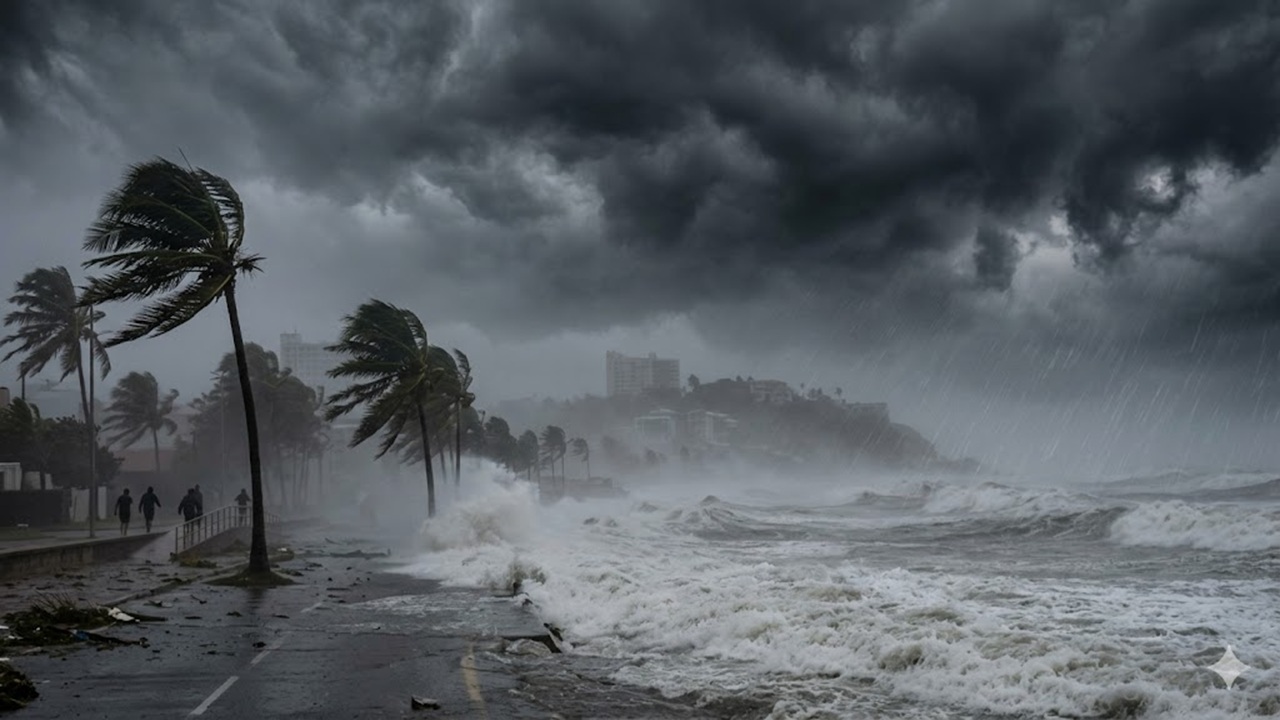
IMD Alert: Destruction approaching at 260 kmph! The shadow of the great storm, torrential rain and fog; IMD issued alert to ‘these’ states

- Rain and snow warning in hilly areas
- Wind speed from the Indian Ocean
- Cyclone ‘Horatio’ has reached 260 km per hour speed
The climate of the country is constantly changing. From North India to South India the weather surprising people. Heat is sweltering in capital Delhi, while rain and snow warnings have been issued in hilly areas. Meanwhile, the speed of the winds blowing from the Indian Ocean is changing the weather conditions. Cyclone Horatio has reached a speed of 260 km per hour. Meteorologists are calling this year’s most dangerous storm. Although it will not directly affect India, it has disrupted the weather throughout the Indian subcontinent. In the wake of the storm, the Meteorological Department (IMD) issued a yellow alert in Andhra Pradesh and Telangana. Vigilance has also been issued in the coastal areas of Kerala.
Additionally, the Meteorological Department has issued various alerts in many parts of the country. A snowfall warning has been issued in the hilly states. There is a threat of storm in South India. Fog is returning to Punjab. Meanwhile, heat is rising rapidly in North India. This means that the weather will show many aspects at the same time.
If I wasn’t sick…! Former Vice President Jagdeep Dhankhad’s big statement regarding resignation
A significant change in temperature patterns has been observed in the last few days. Day temperatures are steadily rising in northwest India. The Meteorological Department predicts that the maximum temperature may increase by 3 to 5 degrees Celsius in the next seven days. Heat may intensify in Gujarat and Maharashtra as well. Meanwhile, the Western Disturbance is becoming active, bringing rain and snow to the hilly areas.
Meanwhile, increased humidity over Northeast and South India will continue to bring rain. A storm warning has been issued for Andaman and Nicobar Islands, sub-Himalayan West Bengal, Sikkim, Kerala and Tamil Nadu. Climate experts say the combined effect of ocean activity and the Western Disturbance will continue to change the weather in the coming days.
in Delhi-NCR The weather is expected to remain completely dry for the next few days. According to the Meteorological Department, the day temperature will rise steadily, reaching between 29 and 32 degrees Celsius and is expected to touch 34 degrees Celsius around Holi. Light fog or fog-like conditions may occur in the morning and late night. But there is no immediate chance of rain. Heat will increase during the day and people will start feeling hot winds in the afternoon. As temperatures remain above normal, pre-summer conditions may develop in early March.
The weather in Uttar Pradesh is expected to remain dry and hot for the next seven days. The maximum temperature is expected to be 3 to 5 degrees Celsius above normal, making the day feel hot. West and central Uttar Pradesh will experience bright sunshine, while nights will remain mild and cool. No rain warning has been issued for any district. Weather in Uttarakhand will be different. Due to Western Disturbance, light rain and snowfall are likely over hilly districts from February 27 to March 2-4. This may lead to a drop in temperature and re-cooling of tourist spots.
How will the weather be in Bihar and Jharkhand?
Weather over Bihar and Jharkhand will remain stable and dry at present. However, there are signs of a gradual rise in temperature. According to the Meteorological Department, the maximum temperature may rise by around 3 to 4 degrees Celsius in early March. The sun will be brighter during the day and feel hot in the afternoon. Night and morning will be pleasant. No rain or storm warning has been issued at this time. With clean weather, conditions will remain favorable for harvesting crops and agricultural activities in the fields, but due to rising heat, people will have to be cautious.

Comments are closed.