
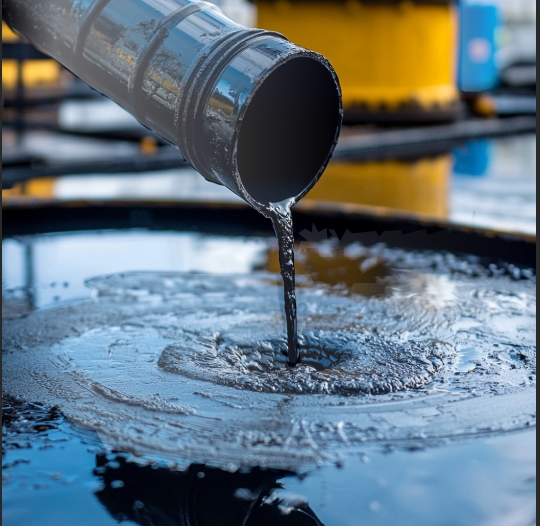

There has been a huge jump in the prices of Brent crude oil amid the ongoing US-Israel-Iran conflict in the Middle East, which has now entered its fourth week. Reports indicate that in recent weeks the price of Brent rose from pre-conflict (end February/early March 2026) around $70–73 per barrel to a peak of $110–119, with fluctuations seen by date. The price of Brent on March 23, 2026 was around $103–113 per barrel (for example, some sources have stabilized around $103–108 after declining from the highs), reflecting volatility partly driven by supply fears and signs of easing tensions. In the last 30 days, prices have increased by 50-60%, in line with the reported surge.
On March 23, US West Texas Intermediate (WTI) crude oil prices hovered around $98–99 per barrel, before reaching highs above $100 and seeing mixed movements (such as a slight decline or rise of more than 2%) in recent sessions.
In India, MCX May crude oil futures rose marginally (about 0.65-1.39% as per reports) and touched Rs 9,300-9,500 per barrel influenced by global benchmarks and rupee movements.
The surge has been driven by threats to the Strait of Hormuz, through which about 20% of global oil flows. US President Donald Trump gave Iran a 48-hour ultimatum (issued on Saturday, expiring on Monday evening), demanding that Iran fully open the strait without further threats and threatening an attack to “destroy” Iranian power plants if it did not. Iran has ruled out a full blockade, saying shipping continues under wartime conditions but with measures against “enemies”, and threatened retaliation against Gulf energy infrastructure. Later, Trump postponed planned US strikes by five days, citing “positive conversations” with Iran, which eased some immediate fears and sent prices falling from session highs.
Goldman Sachs raised its average forecast for Brent for 2026 to $85 a barrel from $77, while the near-term forecast for March-April is $110 a barrel. Prolonged disruptions are expected, with Hormuz flows remaining at about 5% of normal levels for six weeks, after which there will be a gradual improvement. The potential loss in production in the Middle East could rise to 17 million barrels per day (currently about 11 million).
Despite the decline in Asian supplies, stockpiles of OECD countries (US/Europe) continue to grow from pre-conflict excess supplies. The “Hormuz premium” remains high as tensions rise, including attacks on regional power plants, declarations of force majeure and production cuts, and traders remain cautious about energy security and inflation risks.

Comments are closed.