
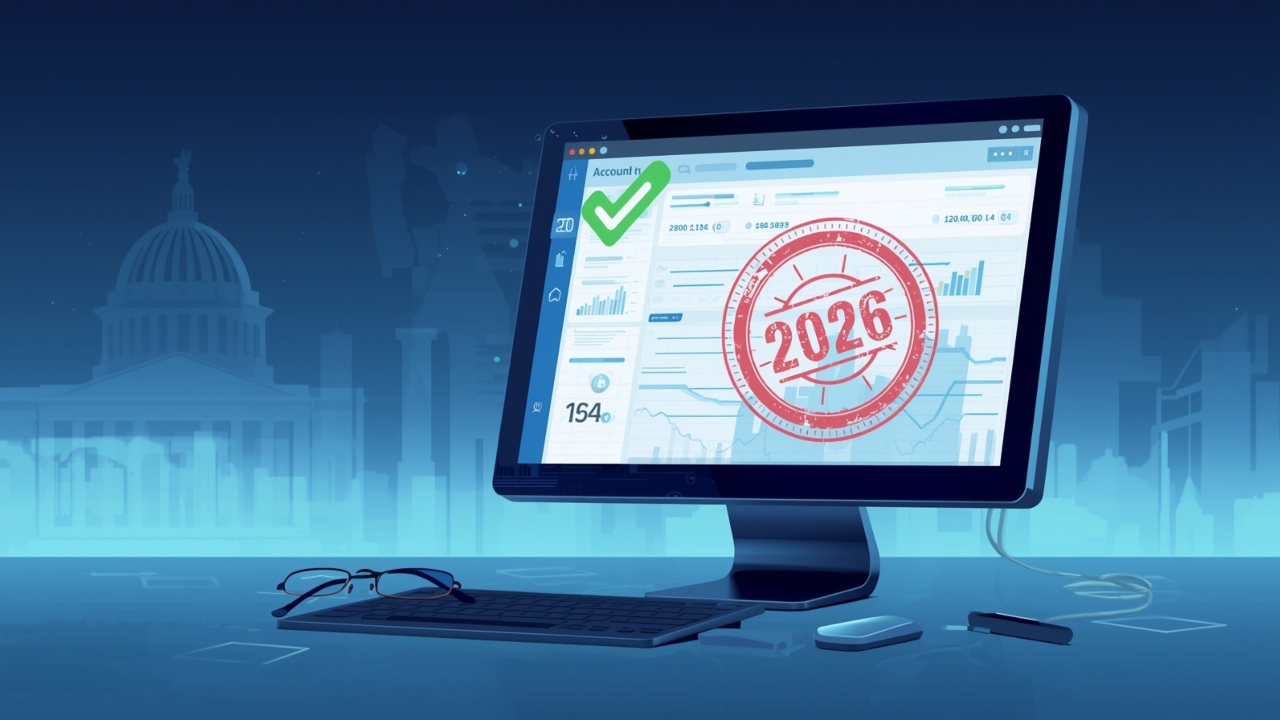
Impact on digital privacy? Tax officials will be able to view online data from April 1, 2026

Income Tax Digital Access: There is going to be a big and historic change in the rules related to income tax in India, which can have a direct impact on the digital privacy of common citizens. From April 1, 2026, the Income Tax Department will not be limited to only physical assets while investigating tax evasion, but will also be able to officially access the digital activities of citizens. This will be the first time that tax officials will be able to legally conduct investigations in the digital space.
Now not just cash and jewellery, digital world also on radar
Till now the Income Tax Department had the right to examine physical assets like houses, properties, cash, documents and jewelery during raids. This action was taken under Section 132 of the Income Tax Act, 1961. But after the proposed changes, officials will also get the right to access the so-called virtual digital space.
This digital space will include email accounts, cloud storage, digital wallets, trading and investment platforms, social media profiles and other online accounts. This means that everything from Gmail to social media chats can come under the ambit of tax investigation.
Why is the government making this change?
The government argues that at present most of the financial transactions have shifted to digital platforms. Everything from banking, investing, online trading to crypto assets is being operated through digital medium. In such a situation, detecting tax evasion only through physical raids is no longer that effective.
Officials believe that the entire financial activity of a person is recorded in his digital footprint. With access to digital data, cases of tax evasion can be detected more accurately and quickly.
Can anyone’s data be checked at any time?
The biggest question being raised regarding this change is privacy. However, the government has clarified that tax officials will not be able to arbitrarily access anyone’s digital data. Just as earlier reason to believe was necessary for raids, the same condition will be applicable on digital accounts also.
It is clear that unless there is a solid basis against a person for irregularities in his income or financial transactions, his email, social media or other digital accounts will not be investigated.
Also read: The lure of free movies will prove costly! Cyber Dost I4C’s strict warning on apps like Pikashow
What does this mean for taxpayers?
This change will increase transparency in the tax system, but at the same time people will have to be more cautious about their digital activities. If your income and transactions are declared correctly and there are no irregularities, there is no need to panic. Digital honesty is going to be the biggest security in the times to come.

Comments are closed.