


The problems that old car owners are facing in India due to the E20 rollout have become a major concern. As you may be aware, the Central Government has been repeatedly saying that E20 petrol is safe and does not cause any engine damage or issues. However, recently an old document, which is the 2021 NITI Aayog roadmap on ethanol blending, has resurfaced. It has revealed that the Society of Indian Automobile Manufacturers (SIAM) had actually recommended that E10 petrol should continue to be sold even after E20 became the standard fuel.
The NITI Aayog ethanol roadmap document, which has now been circulating on the internet, clearly shows that SIAM had recommended that E10 petrol should continue to remain available even after E20 petrol was introduced across the country. According to SIAM, E10 should be treated as a “Protection Grade Fuel” for existing vehicles, which were never designed to run on higher ethanol blends.
The automobile industry body warned that the discontinuation of E10 petrol immediately after introducing E20 could create a number of problems for older vehicles. According to SIAM, many existing vehicles would neither have the required material compatibility nor would they have their engines calibrated for higher ethanol blends. And because of this, owners could face issues related to fuel efficiency, drivability, and long-term durability.
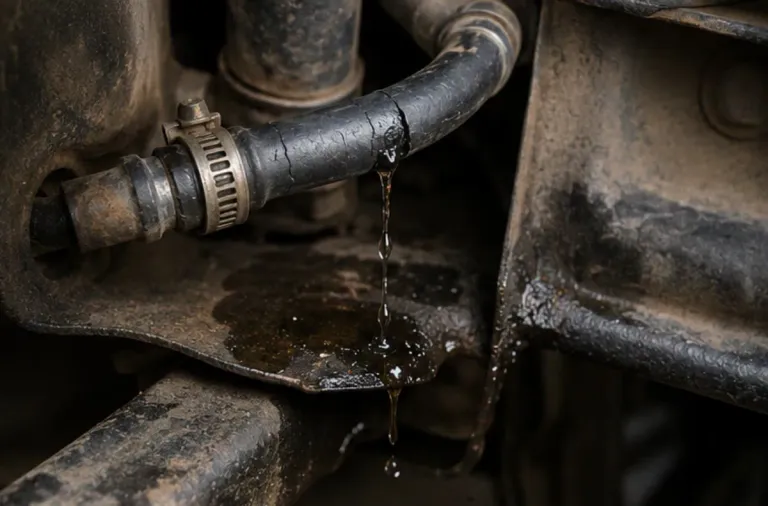
One of the biggest concerns highlighted by SIAM was material degradation inside the fuel system. According to the document, higher ethanol blends could slowly damage rubber and polymer components used in older vehicles. These include fuel hoses, seals, gaskets, and O-rings. As these parts begin to deteriorate, they could eventually develop cracks or lose their sealing ability.
SIAM warned that this could lead to fuel seepage or even fuel leakage. Now, as leaking petrol can become a serious fire hazard, the organisation also classified this as a safety concern. Apart from safety, damaged fuel system components could also increase maintenance costs for vehicle owners.
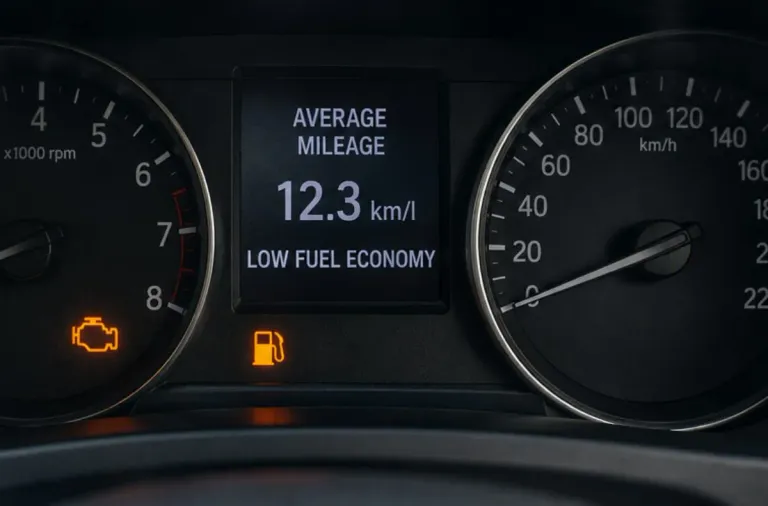
Another major issue highlighted by SIAM was fuel efficiency. It highlighted that ethanol naturally contains less energy than petrol. So, due to this, vehicles running on higher ethanol blends consume more fuel to produce the same amount of power. SIAM pointed out that customers would notice lower fuel economy when compared to E10 petrol.
Apart from mileage, drivability was also highlighted as a concern. SIAM specifically mentioned that low-powered two-wheelers could experience noticeable performance loss with higher ethanol blends. According to SIAM, this reduction in performance would not be acceptable to many customers.
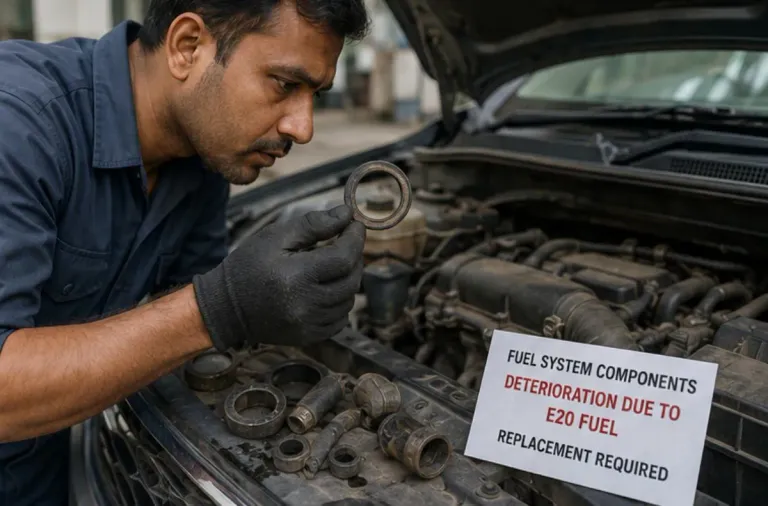
The document has also highlighted SIAM’s stance on another proposal from the Ministry of Petroleum and Natural Gas (MoPNG). The ministry, back in 2021, had suggested retrofitting older vehicles to make them E20 compliant by replacing important fuel system components with ethanol-compatible materials.
However, SIAM strongly opposed this proposal. As per SIAM, retrofitting millions of vehicles already running on Indian roads would be practically impossible. It stated that the country has an enormous number of vehicle models from different manufacturers, which each use different component designs.
So replacing fuel system parts in every older vehicle would require a huge engineering effort. It would also have extremely high costs and would also depend on customer willingness to spend money on such modifications.
In the document, it has been highlighted that instead of retrofitting existing vehicles, SIAM recommended the government follow global practices. It stated that lower ethanol fuel should be made available for older vehicles and also allow future vehicles to transition towards higher ethanol blends.
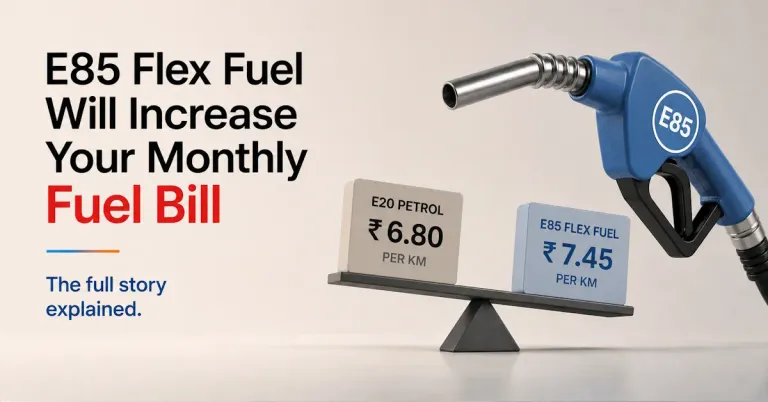
The same document also reveals information about India’s long-term plans regarding E100 fuel. SIAM stated that it was not in favour of introducing E100 fuel immediately. According to the industry body, flex-fuel vehicles required to run on E100 are more expensive than regular petrol vehicles.
Apart from this, SIAM estimated that vehicles running on E100 could suffer fuel efficiency losses of up to 30 percent because ethanol contains significantly less energy than petrol. This would increase running costs for customers and make vehicle ownership more expensive. For this reason, SIAM recommended the government delay E100 implementation until a detailed customer value study was completed.
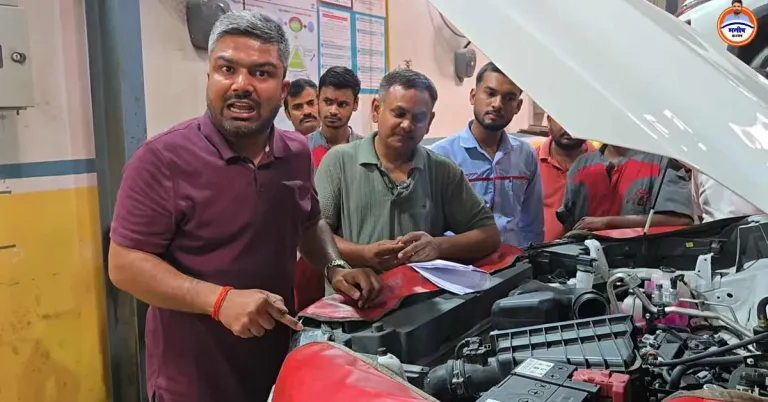
The topic of E20 has also become even more interesting. This is because recently a few reports have emerged about an extensive study conducted by the Automotive Research Association of India (ARAI). Although the study has not been officially published, it has reportedly been used as a reference by both the government and automobile manufacturers.
According to reports, ARAI found that prolonged use of E20 petrol in vehicles originally designed for E10 could lead to deterioration of rubber fuel system components. These include hoses, seals, O-rings, and gaskets, many of which may eventually require replacement.
However, the study also brought some positive findings. It reportedly found no adverse impact on metallic fuel system components. Emissions from vehicles running on E20 also remained within prescribed legal limits.
Engine durability testing produced mixed results. One BS-IV engine continued to perform normally with E20 fuel. One original equipment manufacturer also completed around 400 hours of testing without observing any issues. However, another BS-VI turbocharged engine reportedly experienced an exhaust valve failure after around 809 cumulative testing hours.
Experts have now clarified that E20 petrol alone may not have caused this failure and that other factors may also have contributed. They also pointed out that standard engine durability testing usually continues for nearly 2,000 hours, making the available results only part of the overall evaluation.
For two-wheelers, however, the outcome was far more encouraging. Three manufacturers completed durability testing without reporting any major problems, and overall engine performance was acceptable while running on E20 petrol.
The study also found that vehicles running on E20 generally consumed around 2 to 6 percent more fuel than when using E10 petrol. The exact increase varied from one vehicle to another.
Source
Comments are closed.