

IND vs PAK T20 World Cup: t20 world cup India vs Pakistan match is not one which progresses slowly. It suddenly surges. One phase, one over, sometimes one ball and the entire match turns upside down. This is not because a team changes suddenly, but because in this match every decision becomes a test of pressure.
It has been proven time and again that victory goes to the one who maintains his composure in the unusual and tense moments of the match. To understand this, let us look at those matches which made the match special.
What happened in the final, Johannesburg match in 2007?
The final of the same tournament is an important chapter of this rivalry. Pakistan needed runs to win in the last over and the match went till the end. The match was decided by who took better decisions under pressure – which ball to hit, which to leave, when to take a single. India won by five runs and this small margin became a lesson in this rivalry that matches here are often won not by dominance but by making fewer mistakes.
2007- Group Match, Durban What happened in the match India vs Pakistan?
The first match between India and Pakistan in the T20 World Cup was a tie and was decided by ball-out. This match is important because it showed that this match can take you into a situation for which you were not prepared. This match was decided not by any big strategy but by direct execution. That means hit the ball directly on the stump. India hit the stumps thrice, Pakistan missed all three times. Skills generally considered small became decisive here.
How did ‘Control’ become an example in Colombo (2012)?
The 2012 match is a reminder that if you remain controlled during the match, it can be won without any drama. Pakistan got out on a low score and India achieved the target without any panic. This match was decided in two phases. First disciplined bowling and balanced run chase. India did not try to win in one over, but gradually won the match.
How is the 2014 Mirpur IND vs PAK match a great example?
Mirpur 2014 is an example of the pattern in which India defeated Pakistan. Pakistan scored middle, India achieved the target by saving wickets and scoring runs at the right time. The reason for victory here was very clear – saving wickets, rotating the strike and attacking at the spot. Pakistan always tries to create doubt, but India did not give them that opportunity.
How important is the India-Pakistan match held in Kolkata in 2016 in terms of pitch?
The pitch of Kolkata 2016 was not easy. In such situations, players can make mistakes while trying to prove themselves. India understood the pitch first and played patiently accordingly. Discipline was very important here. Pakistan could not perform here and India achieved the target without any risk.
How did the 2021 Dubai match become an exception?
The India vs Pakistan match held in Dubai in 2021 was different. Pakistan defeated India for the first time in the World Cup and the victory was one-sided. This match was decided by a controlled run chase in the power play and without pressure. Pakistan limited India to a limited score in the first six overs, then showed no panic while chasing the target.
How did Virat Kohli show his magic in 2022?
Melbourne 2022 shows when the contest can turn. Pakistan made a competitive score. India’s innings was in trouble, but the match turned in a few overs. It was not decided just by big shots, but by patience, India won. Staying in the match till the end and maintaining composure in the last over was decisive.
2024- What happened in New York?
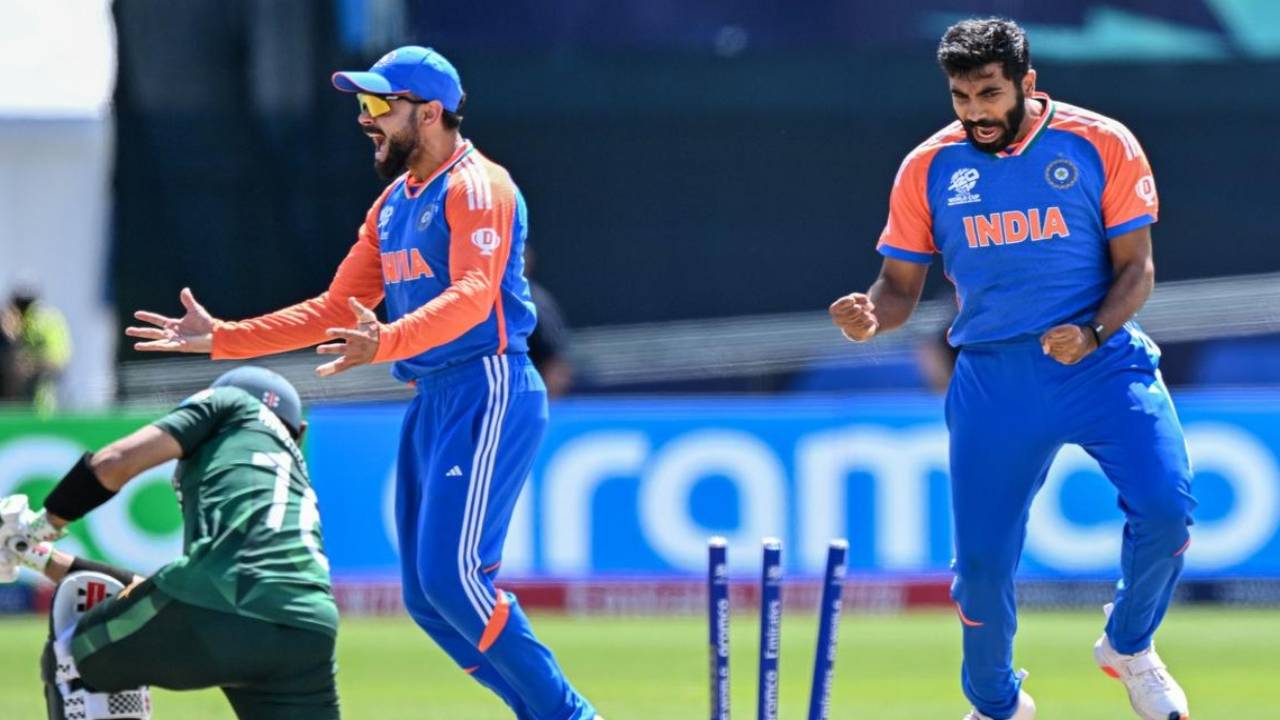
New York 2024 was a low-scoring match. India was all out on 119, but Pakistan could not reach the target. This match was decided by discipline under pressure. In low score chases, batsmen think that time is on their side, but as the number of dot balls increases, the nervousness increases. India maintained restraint and trapped Pakistan.
All these matches clearly show that control is very important in power play, because the first six overs decide the mood and direction of the match and due to dot balls in the middle overs, the score gets stopped and pressure is created.

Comments are closed.