
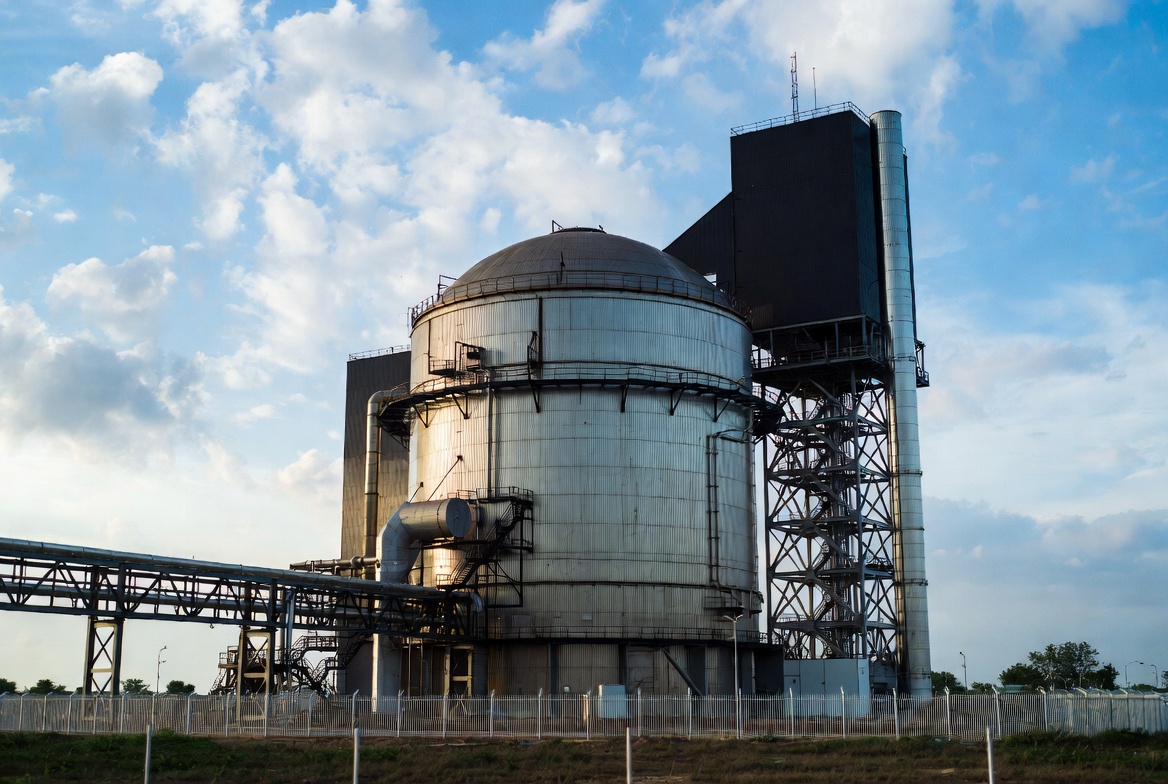
India Advances Toward Thorium Powered Energy Future After Kalpakkam Fast Breeder Reactor Milestone

India has taken a major step forward in its long term nuclear energy roadmap after the 500 megawatt Prototype Fast Breeder Reactor at Kalpakkam achieved criticality, marking the point at which a controlled nuclear chain reaction becomes self sustaining. The milestone represents one of the most important technical achievements in India’s three stage nuclear power programme and strengthens the country’s strategy to reduce dependence on imported uranium while preparing for large scale thorium based electricity generation in the future.
The reactor was developed by the Indira Gandhi Centre for Atomic Research under the Department of Atomic Energy India and is designed as a fast breeder system capable of producing more fissile material than it consumes. Unlike conventional pressurised heavy water reactors that rely primarily on natural uranium, fast breeder reactors use plutonium recovered from spent fuel and convert it into additional usable fuel. This recycling capability improves long term fuel efficiency and forms a critical bridge toward the third stage of India’s nuclear strategy centered on thorium utilization.
India’s nuclear roadmap was originally conceived in the 1950s under physicist Homi J Bhabhawidely regarded as the architect of India’s atomic energy programme. Recognizing early that India possessed limited domestic uranium reserves but vast thorium deposits, Bhabha proposed a phased approach that would gradually transition the country toward thorium based reactors. The three stage strategy began with natural uranium fueled heavy water reactors, followed by plutonium producing fast breeder reactors, and ultimately culminates in advanced thorium fuel cycle systems capable of sustaining long term energy independence.
India holds one of the world’s largest thorium reserves, particularly along its southern coastal regions, including deposits in Kerala, Tamil Naduand Odisha. These reserves are primarily found in monazite sands and represent more than one quarter of global thorium resources. Because thorium itself is not directly fissile, it must first be converted into uranium 233 through breeder reactor technology. The Kalpakkam fast breeder reactor plays a crucial role in enabling this conversion pathway by generating the materials necessary for India’s future thorium reactor fleet.
India’s interest in thorium accelerated significantly after international nuclear technology restrictions were imposed following the country’s early nuclear weapons tests in the 1970s. Limited access to global uranium markets reinforced the importance of developing a domestic fuel cycle based on indigenous resources. As a result, Indian scientists invested heavily in reprocessing technology, breeder reactor development, and advanced fuel cycle research at facilities including Kalpakkam and Bhabha Atomic Research Centre in mumbai. These efforts helped sustain progress toward thorium utilization despite decades of technological isolation.
The Prototype Fast Breeder Reactor represents the centerpiece of India’s second stage nuclear programme. By converting plutonium into additional fissile material and enabling the production of uranium 233, it supports the transition toward advanced heavy water reactors and future thorium based molten salt or accelerator driven systems currently under research. This integrated fuel cycle strategy distinguishes India from most other nuclear nations, which continue to rely primarily on uranium based reactor fleets.
Government planners view breeder reactors as essential to meeting long term electricity demand while strengthening energy security. India has announced plans to increase nuclear power generation capacity from roughly 8,180 megawatts in 2024 to approximately 100 gigawatts by 2047 as part of its broader development and climate objectives. Thorium based reactors are expected to play a central role in this expansion by enabling sustainable domestic fuel supply and reducing reliance on imported enrichment services.
Historically, thorium has attracted global scientific interest because of its potential safety advantages and reduced long term radioactive waste profile compared with conventional uranium fuel cycles. During the early Cold War period, the United States and several European countries experimented with thorium reactors but shifted their focus toward uranium systems that were more compatible with weapons related plutonium production. India, however, remained committed to thorium research as a strategic necessity rather than a temporary experiment.
Over the decades, Indian nuclear engineers have conducted extensive thorium fuel irradiation tests in research reactors such as Kamini reactorwhich became the world’s only reactor operating with uranium 233 derived from thorium. These experiments provided valuable operational data that continues to inform the country’s long term reactor development strategy. Additional progress has been made through the Advanced Heavy Water Reactor design programme, which aims to demonstrate large scale thorium utilization in commercial electricity generation.
Despite the technical promise of breeder reactors, experts note that such facilities remain among the most complex nuclear systems ever constructed. Construction delays and cost overruns have affected breeder reactor projects in several countries, including earlier efforts in France and Japan. Renewable energy expansion and improvements in battery storage technology have also intensified competition for future electricity investment. Even so, India’s continued commitment to breeder reactor deployment places it among a small group of nations actively pursuing a closed nuclear fuel cycle built around advanced reactor technologies.
With the Kalpakkam reactor reaching criticality, India has moved closer to realizing a vision first outlined more than seven decades ago. The achievement strengthens the country’s position as a global leader in thorium based nuclear research and signals that the long anticipated transition toward a sustainable indigenous nuclear fuel cycle may now be entering its most important phase.

Comments are closed.