

A Historic Shift in Global Rankings
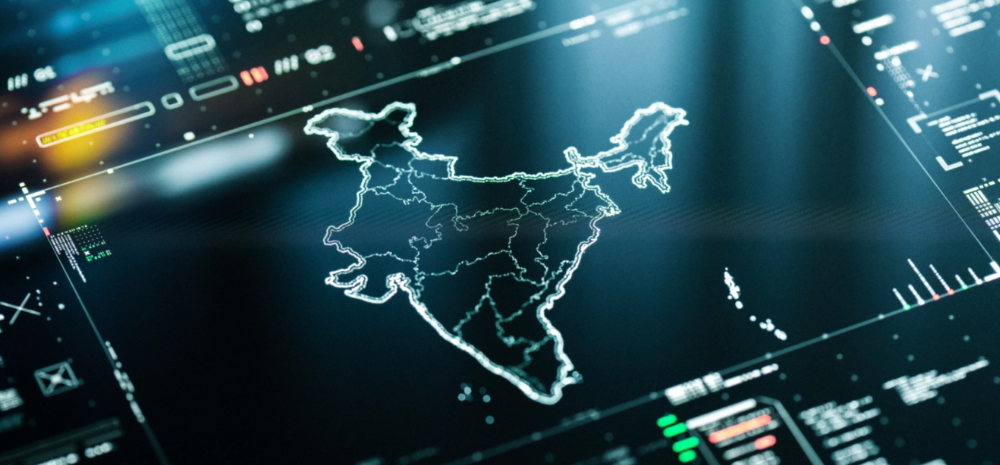
India has officially overtaken Japan to become the fourth-largest economy in the worldmarking a historic turning point in global economic rankings. This milestone reflects India’s rapid economic expansion and growing influence on the world stage. With a nominal GDP of over $4 trillionIndia now trails only the United States, China, and Germany.
What Drove India’s Rise
India’s ascent is the result of consistent high growth ratesespecially at a time when many advanced economies have faced stagnation. Strong domestic consumption, a booming services sector, increased government capital expenditure, and steady investment inflows have all played crucial roles.
Structural reforms over the past decade — including digitalisation, tax reforms, infrastructure spending, and manufacturing incentives — have strengthened India’s economic base. The country’s large population has also created a powerful internal market that cushions global slowdowns.
Why Japan Slipped Behind
Japan’s economy, while technologically advanced, has struggled with slow growth, an ageing population, and prolonged deflationary pressures. These structural challenges have limited expansion, allowing faster-growing economies like India to move ahead in overall size despite lower per-capita income.
What This Means for India Globally
Becoming the world’s fourth-largest economy significantly enhances India’s geopolitical and economic influence. It strengthens India’s voice in global institutions, improves investor confidence, and reinforces its position as a key destination for global supply chains seeking diversification.
This ranking also underlines India’s importance as a growth engine at a time when global economic momentum is shifting toward emerging markets.
Eyes on the Top Three
India’s ambitions do not stop here. With current growth trends, policymakers and economists believe India could overtake Germany to become the third-largest economy within the next few years. Continued focus on infrastructure, manufacturing, exports, skill development, and job creation will be critical to achieving this goal.
However, challenges remain. Per-capita income levels are still relatively low, and employment generation must keep pace with population growth. Addressing inequality, improving education outcomes, and boosting productivity will determine how sustainable this rise becomes.
Conclusion
India overtaking Japan as the world’s fourth-largest economy is more than a symbolic achievement — it reflects a fundamental shift in global economic power. With strong growth drivers, a young workforce, and expanding global relevance, India is now firmly positioned as a leading economic force, with a realistic pathway toward the global top three.

Comments are closed.