
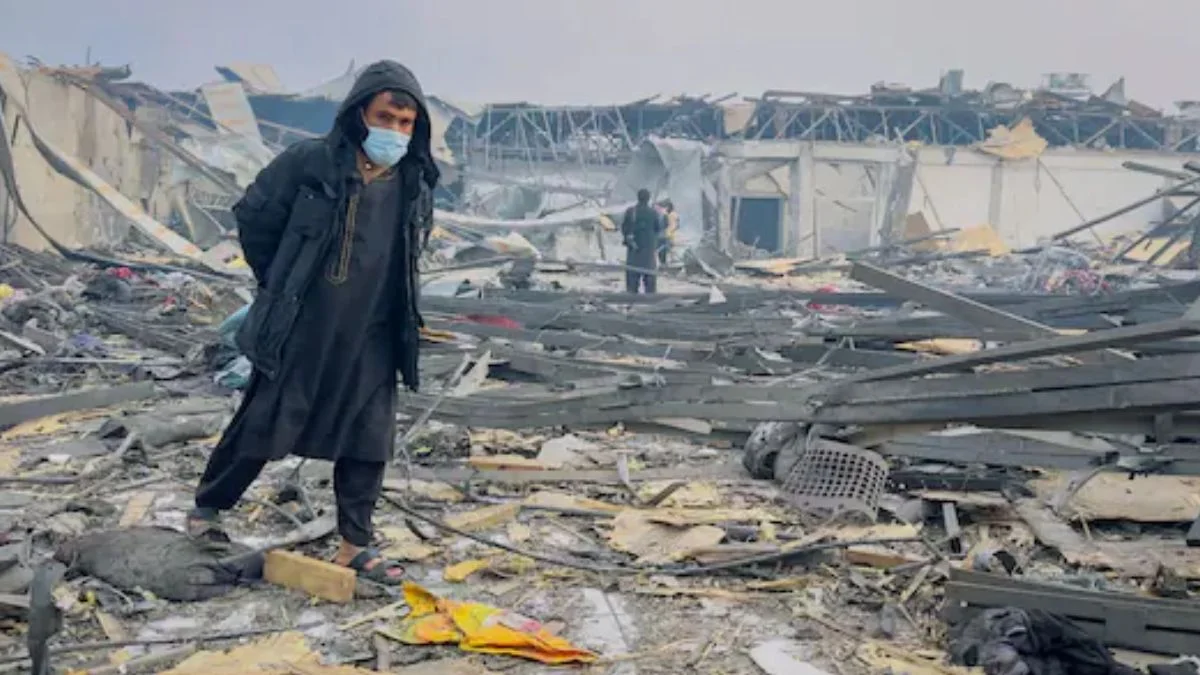

India has strongly condemned Pakistan’s recent airstrikes on Afghanistan and raised concerns over the deportation of Afghan nationals, highlighting the escalating tensions in the region and the legal and policy implications for cross-border conduct and humanitarian protection. Addressing the United Nations General Assembly during the commemoration of the International Day to Combat Islamophobia, India’s Permanent Representative Parvathaneni Harish criticized Islamabad’s actions, particularly citing attacks during the holy month of Ramadan and the forced displacement of Afghan citizens.
According to officials from Afghanistan, an airstrike on a treatment centre for drug addiction in Kabul, the Omid Addiction Treatment Hospital, resulted in approximately 400 fatalities and 250 injuries. The facility, with a capacity of 2,000 beds, reportedly suffered significant structural damage due to the attack. While Afghan sources assert the strike was carried out by Pakistani forces, Pakistani authorities have denied targeting civilian facilities, stating that their operations were aimed at Taliban military installations and related infrastructure.
India’s condemnation emphasized the legal and humanitarian concerns surrounding the targeting of civilian structures under international law. The Indian envoy highlighted the need for the UN to address the weaponization of religious identity and the use of military force in ways that endanger civilians, underlining the principle of protection of non-combatants during armed conflict as mandated by international humanitarian law.
The airstrikes come amid a pattern of cross-border military and drone operations between Pakistan and Afghanistan, which have resulted in significant displacement. Reports indicate that approximately 7,500 families in Kunar province near the Durand Line have been forced to flee artillery shelling, losing homes and livestock. This situation underscores not only the humanitarian impact but also raises policy concerns regarding refugee protection, border security, and international diplomatic engagement.
Pakistan has defended its actions as precise military strikes on Taliban-linked infrastructure, including ammunition depots and technical support facilities. Officials stressed that civilian targets were not intended and dismissed claims of hospital strikes as attempts to generate anti-Pakistan sentiment. Nevertheless, the incidents highlight the complex challenges of ensuring compliance with international law during cross-border operations and the responsibilities of state actors to avoid civilian harm.
India’s stance also draws attention to regional security and trade implications, as escalating instability along the Afghanistan-Pakistan border could affect overland trade routes and broader economic interactions in South Asia. The enforcement of international legal standards in armed conflict, coupled with diplomatic negotiations, remains critical for maintaining stability and safeguarding civilian populations, as well as ensuring the uninterrupted movement of goods and energy supplies in the region.
By raising these concerns at the UN, India has called for greater international oversight and accountability, urging multilateral institutions to monitor state and non-state actors exploiting religious identity and conflict for political ends. The episode underscores the intersection of law, humanitarian policy, and regional security, highlighting the need for measured, rule-based responses to prevent further escalation and civilian suffering.

Comments are closed.