
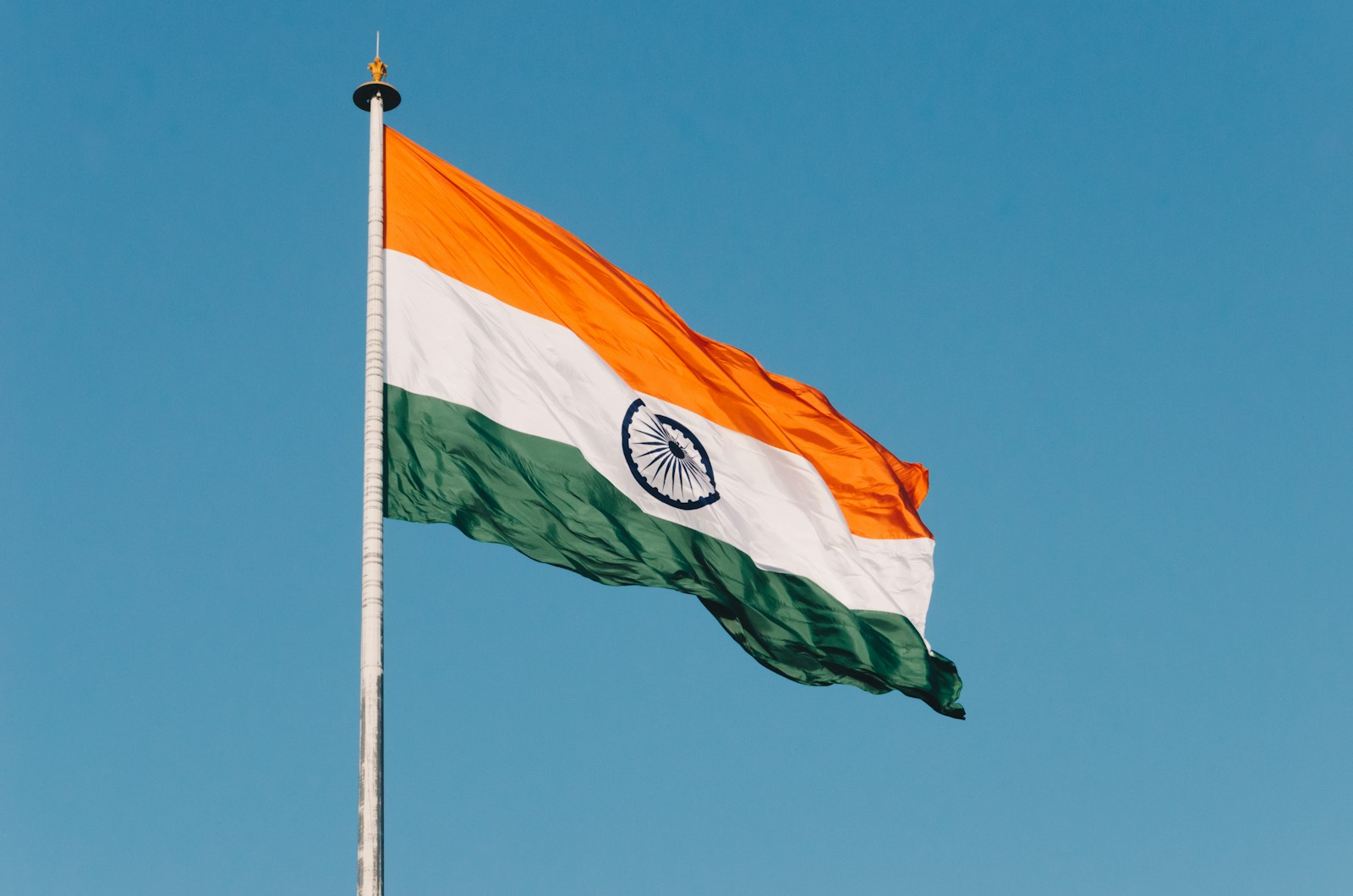
India Calls for Stability in West Asia as Narendra Modi Speaks With King Hamad bin Isa Al Khalifa Amid Regional Tensions

India stepped up diplomatic outreach across the Middle East this week as Prime Minister Narendra Modi held discussions with Bahrain’s King Hamad bin Isa Al Khalifa to address the escalating conflict in West Asia. During their conversation, the two leaders reviewed the evolving security situation in the region and strongly condemned recent attacks on energy facilities and civilian infrastructure that are affecting global supply chains and stability.
In a message shared publicly, Modi extended Eid greetings to the Bahraini leadership and people while highlighting the broader consequences of the conflict on global food, fuel, and fertilizer markets. He also emphasized the importance of keeping shipping lanes open and ensuring the uninterrupted movement of trade through critical maritime routes. India reiterated its support for secure navigation across strategic corridors such as the Strait of Hormuz, which plays a vital role in international energy transport.
The diplomatic exchange comes as tensions across West Asia continue following the escalation triggered by U.S. and Israeli strikes on Iran in late February and subsequent retaliatory drone and missile attacks targeting regional infrastructure and allied facilities. These developments have increased concerns about supply disruptions and broader geopolitical instability across the Gulf region.
Modi has also been in contact with several global and regional leaders in recent days as India maintains active engagement with key partners to encourage restraint and dialogue. Discussions have taken place with King Abdullah II of Jordan, Emmanuel Macron of France, and Sultan Haitham bin Tariq of Oman, focusing on diplomatic solutions and coordinated efforts to reduce tensions. Leaders agreed on the importance of restoring peace through negotiation and avoiding further escalation that could threaten regional and global economic stability.
India also acknowledged the support provided by Gulf partners in assisting Indian nationals during the crisis. Officials highlighted cooperation with Oman and Jordan in facilitating safe travel arrangements for citizens affected by the conflict. Through these coordinated conversations, New Delhi continues to position itself as a stabilizing diplomatic voice advocating dialogue, secure trade routes, and protection of civilian infrastructure during a period of heightened uncertainty across West Asia.

Comments are closed.