

- A great news for India
- Russian oil supply cuts may increase
- 100 million barrels of Russian crude oil in the market
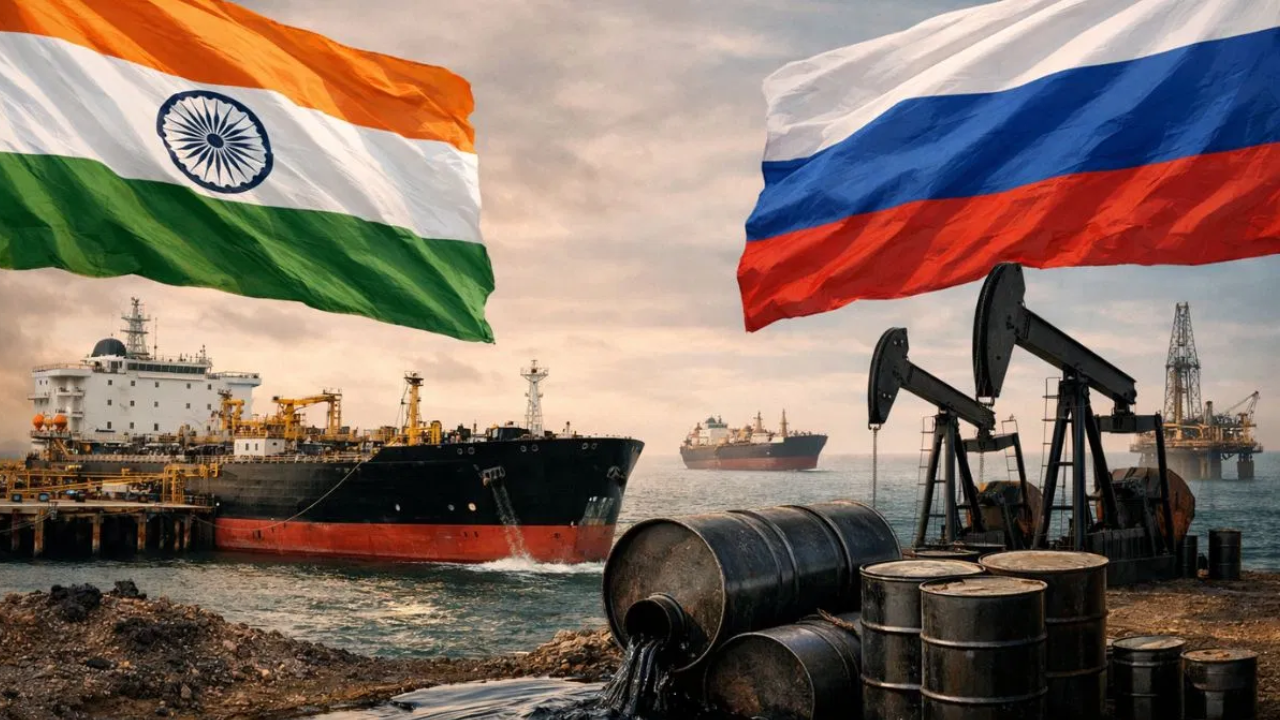
India Energy Security: The ‘Strait of Hormuz’, which is always in the news due to the tension in the Middle East, is an important part not only for India but also for the countries of the whole world. Because it is considered the lifeline for oil import in countries. If there is a crisis on this route, there is a fear that petrol and diesel will become expensive in India. However, now there is a big good news for India. The US had granted a 30-day waiver to buy Russian oil, which expires on April 11. Under this license, oil could be sold from Russian tankers until March 12. Just one week later, on April 19, a similar license related to Iran is set to expire. India has worked out some options for its energy security, so that even if the Strait of Hormuz is closed, India’s fuel supply will not be interrupted.
Russian oil supply cuts may increase
These licenses were granted by the US Treasury Department to allow large quantities of oil from Russia and Iran to enter the world market. This boosted global oil supply and brought relief to India and other Asian countries.
The US President’s administration may soon extend exemptions on Russian oil supplies, allowing certain countries to continue buying restricted Russian oil and petroleum products. According to a report, the decision will be taken soon to reduce the pressure on global oil supply
100 million barrels of Russian crude oil in the market
Kirill Dmitriev, Russia’s presidential special envoy, had previously said that the concession could bring about 100 million barrels of Russian crude oil into the market. The amount is estimated to be roughly equivalent to a day’s supply of global oil, which could come as a major relief to international markets. The US Treasury Secretary met Donald Trump at the White House on Thursday and discussed extending concessions on Russian oil. According to a source, the two agreed that extending the concession would be the right move. But the White House and the Treasury Department did not immediately issue an official statement. Meanwhile, oil prices have risen since the start of the war, due to the impact on supplies caused by the partial closure of the Strait of Hormuz.
Russia’s income growth
Both Russia and Iran’s earnings have been boosted by the easing of US sanctions and rising oil prices. While these countries are reaping significant economic benefits, America’s grip on them appears to be weakening. According to a report by the Atlantic Council, Bloomberg estimates that Russia is earning an additional $150 million per day, while Iran could earn an estimated $139 million per day.
Revenue from Russia’s largest oil tax could reach nearly $9 billion in April, nearly double previous estimates, Reuters reported. This is considered a huge advantage for Russia. As the world’s second largest oil exporter, Russia would directly benefit from an Iran war.
Highest level since 2023
According to oil traders, the war has created the worst energy crisis in recent times, further affecting Russia’s revenues. The average price of Russia’s Urals crude oil, which is subject to taxes, rose to $77 a barrel in March. This is the highest level since October 2023, according to Finance Ministry data. This price is roughly 73% higher than February’s $44.59 per barrel and well above the $59 forecast in this year’s government budget. This is expected to further increase Russia’s revenue. However, Russia recorded a budget deficit of 4.58 trillion rubles between January and March 2026, which is approximately 1.9% of its total GDP. The Russian Finance Ministry released the information on Wednesday, which suggests that government spending remains high despite rising revenues.
Crisis for America
According to the report, the 32-nation International Energy Agency says the war is causing the largest oil supply disruption in history. Meanwhile, rising fuel prices remain a major concern for Republicans ahead of the midterm elections in November. Allowing Russia to sell oil could undermine Western efforts to cut Russian revenues from the Ukraine war. It could also increase the rift between the US and its allies. Ursula von der Leyen, the female president of the European Commission, has made it clear that now is not the right time to relax the sanctions imposed on Russia.

Comments are closed.