
India’s big step amid Middle East tension – approval of 41 biogas plants; Know what are its benefits?

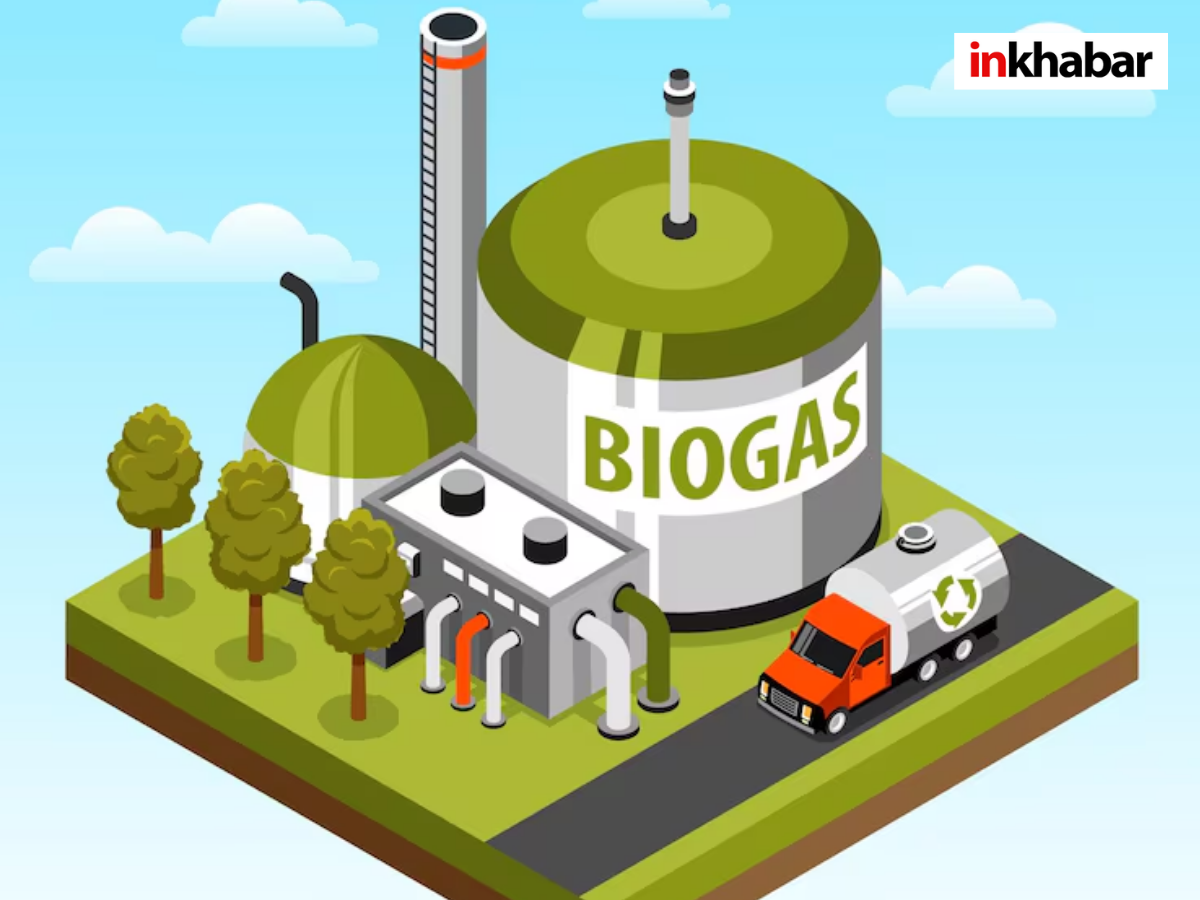
CNG CBG Stations: Amidst the increasing tension in West Asia, the Indian government has taken major steps to secure the fuel supply. The Ministry of Petroleum and Natural Gas has approved 41 biogas cylinder refuel and storage plants, out of which 14 have already been licensed. This decision has been taken at a time when pressure on the global supply chain is increasing and there is a possibility of energy crisis. The aim of the government is to maintain availability of fuel in the country and minimize the impact of any external crisis.
CNG-CBG infrastructure accelerated
Petroleum and Explosives Safety Organization had received a total of 467 applications for CNG and CBG stations. Of these, 157 applications have been given final license, while 38 have received prior approval for construction. This process was completed at a rapid pace between 25 March and 21 April. It is clear from this that the government wants to rapidly expand the gas-based fuel infrastructure.
Biogas: ‘Waste to Wealth’ Model
Biogas is an organic fuel, which is prepared from wet waste like cow dung, crop residues, fruit and vegetable waste. It is decomposed by bacteria in a closed tank (digester) in the absence of oxygen and is produced in the form of methane gas. It is not only an effective way to dispose of waste, but is also useful in cooking, power generation and as organic fertilizer. For a country like India, this model is an important step towards energy self-reliance.
CNG’s ‘twin’ CBG
After purifying biogas, CBG (Compressed Bio Gas) is prepared by removing carbon dioxide and moisture from it. Its chemical composition is similar to CNG, because both mainly contain methane gas. This is the reason why vehicles running on CNG can also run on CBG without any changes. The only difference is that CNG is extracted from underground, whereas biogas is prepared from waste.
Relief measures for fuel supply
The government has also given several temporary relaxations to maintain fuel availability. Relaxation of up to 2,500 liters has been allowed in the storage of Superior Kerosene Oil and up to 5,000 liters of storage has been allowed at one time. Apart from this, permission has been given to fill LNG in cryogenic cylinders, so that the supply can be made more flexible. Ban on export of ammonium nitrate on March 18 and permission to unload LPG at Porbandar jetty on March 14 are also part of this strategy.
Strengthening industry and supply chain
The Department for Promotion of Industry and Internal Trade is also playing an active role in maintaining the stability of the supply chain. Also, steps like giving approval of CNG and decompression units in 10 days and relaxation of 6 months in compressor approval have been taken. These measures will not only strengthen the fuel supply, but will also give impetus to industrial activities and reduce the impact of the possible crisis on the country’s economy.
Danger of hidden charges in SIP! Every investor needs to know; Understand the full account here
The post India’s big step amid Middle East tension—41 biogas plants approved; Know what are its benefits? appeared first on Latest.

Comments are closed.