
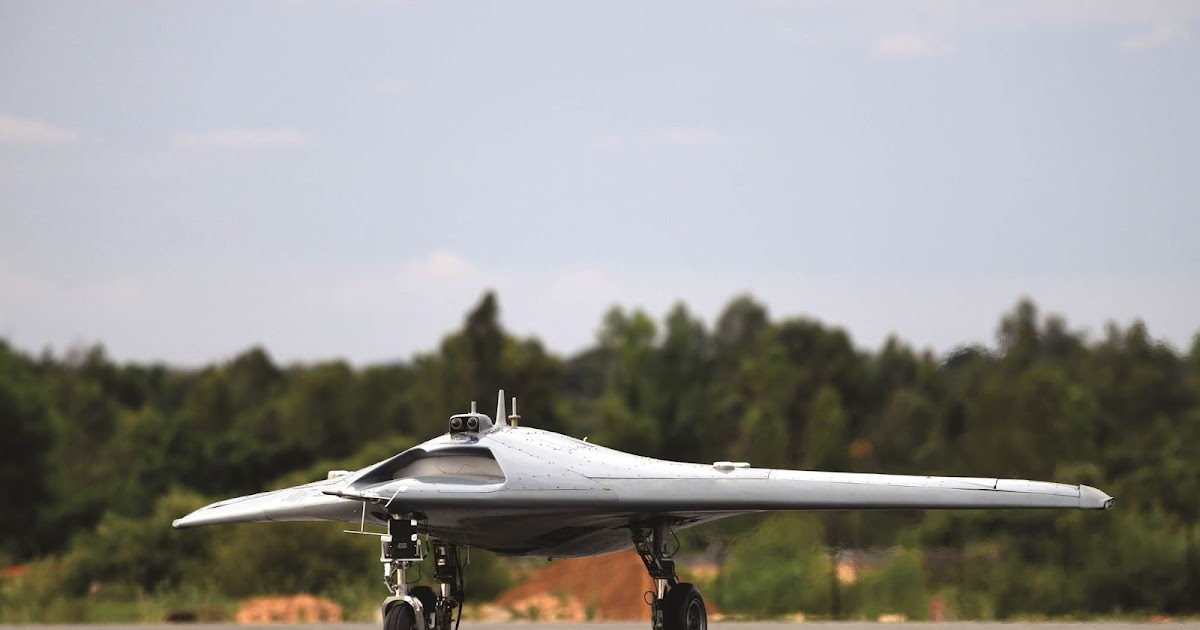

New Delhi. India is rapidly working on indigenous technologies to modernize its military power. In this direction, India is developing a state-of-the-art stealth drone ‘Ghatak’, which is being considered a big game changer for the Indian Air Force in the future.
This Unmanned Combat Aerial Vehicle (UCAV) will be capable of carrying out precise attacks without going deep into enemy territory without a pilot. Its objective is to provide the Indian Army with such capability that it can carry out risky missions without putting the life of the pilot in danger.
‘Ghatak’ will be equipped with stealth technology
The ‘deadly’ drone is being designed with stealth technology, which will make it extremely difficult for enemy radar to detect. Its special flying-wing design significantly reduces the radar cross section. Apart from this, internal weapon bay and special air intake have been designed to keep weapons in it, so that radar signals are generated minimum.
Capability of this drone
Its operational efficiency will be higher in many cases. According to the information, the maximum takeoff weight of ‘Ghatak’ can be around 13 tonnes. It will have the capacity to carry about 3.7 tonnes of fuel, due to which its combat range can exceed 1000 kilometers. Once this drone takes flight, it can complete the mission by staying in the air for about 5 to 8 hours.
armed with deadly weapons
‘Ghatak’ will have the capacity to carry about 1.5 tonnes of weapons inside. Precision guided bombs, air-to-surface missiles and long-range air-to-air missiles can be installed in it. In future, long range missiles like Astra Mk3 can also be added to it, whose range is said to be about 350 kilometers.
When will the first model arrive?
The first prototype under the ‘Ghatak’ project is expected to emerge around 2026. After its successful trials, the Indian Air Force can buy many of its units in future. ‘Deadly’ stealth drone could prove to be a major step forward in India’s defense technology.

Comments are closed.