
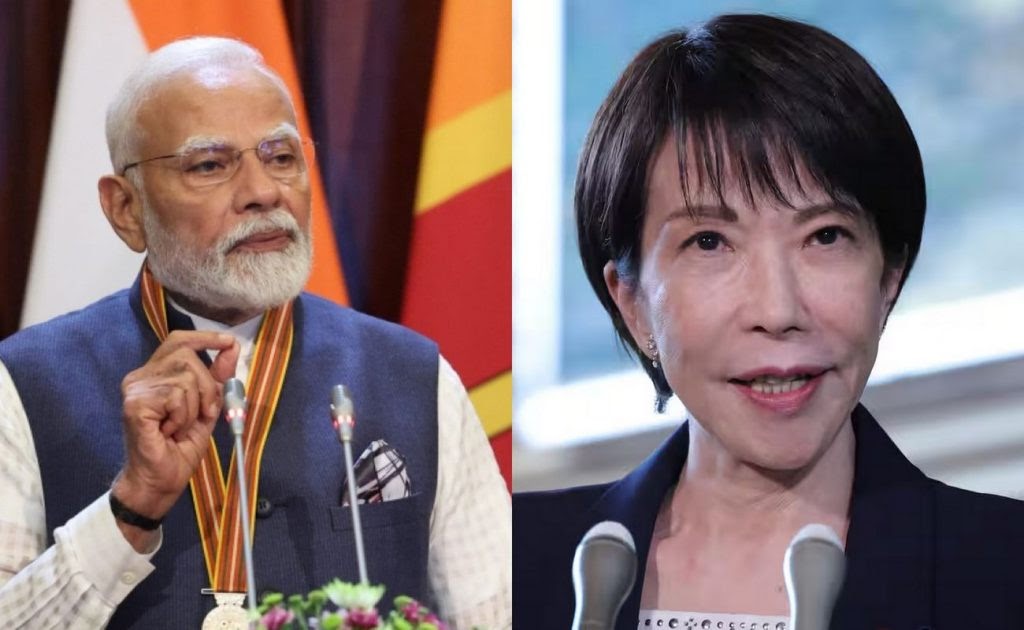

New Delhi. The importance of rare earth metals is continuously increasing in the strategic and industrial politics of the world. A large part of modern technology, from electric vehicles to fighter jets and wind turbines, depends on these minerals. Now the new emerging partnership between India and Japan can change this global equation, especially when most countries have been dependent on China for a long time.
China’s grip and the changing global scenario
China has dominated the supply of rare earth metals for many years. In 2025, when China imposed strict restrictions on the export of rare earth elements in response to US President Donald Trump’s tariffs, there was a stir in the global market. This move made many countries realize that dependence on a single source could become a strategic risk. After this, countries like America, Europe, Japan and India started taking concrete steps towards finding alternative sources and increasing domestic production.
prospects in rajasthan
By putting the concept of Rare Earth Corridor in its budget, India has indicated that it wants self-reliance in this area. According to recent reports, Japan is in talks with India to explore and develop rare earth deposits in Rajasthan. According to the Government of India, three hard rock deposits containing approximately 1.29 million metric tons of rare earth oxides have been identified in Rajasthan and Gujarat. These reserves can give India a strong position in the global supply chain.
Technology and investment equation
Extracting rare earths from hard rock deposits is technically complex and expensive. Japan has advanced technology and processing expertise in this sector, while India has vast reserves and a growing market. Under a possible agreement, Japan could provide technology and financial assistance, in return for ensuring stable and long-term supplies. This cooperation will not be limited to mining only. Both countries can also work on developing industrial facilities like high-purity processing and magnet manufacturing, which will reduce dependence on imports from China.

Comments are closed.