
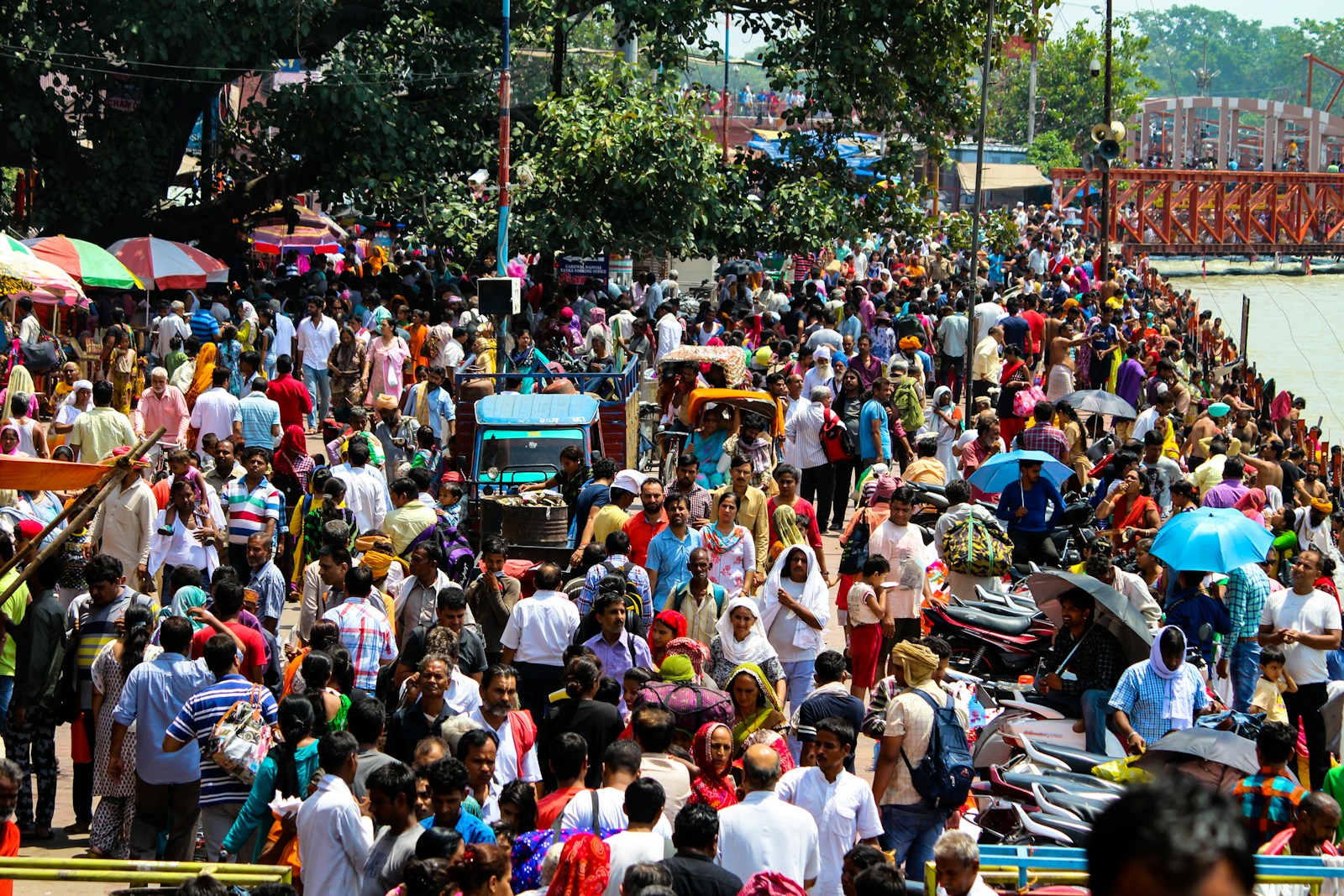

India has launched what is expected to be the world’s largest population census, a nationwide exercise that will survey roughly 1.4 billion people and, for the first time in nearly a century, include a full caste enumeration. The census follows a five year delay caused primarily by the COVID-19 pandemic and is expected to take about a year to complete across the country’s 28 states and eight union territories.
The $1.24 billion operation will involve millions of enumerators collecting information on household composition, access to essential services, education, migration patterns and fertility trends. For the first time, the process will be conducted digitally using mobile applications, with residents also given the option to self register online and receive a unique identification reference for verification. Officials say the census will be completed in two phases, beginning with housing and infrastructure questions before moving into detailed population level data collection early next year.
Experts say census data plays a central role in shaping public policy and distributing government resources across regions. The updated figures will influence welfare planning, infrastructure investments and electoral boundary changes through a future constituency delimitation process. Because population growth rates differ significantly between northern and southern parts of the country, the results could also affect political representation in Parliament and intensify regional debates about fairness in seat allocation.
One of the most closely watched elements of the census is the decision to include detailed caste data for the first time since 1931. Supporters argue that updated caste statistics are essential for understanding inequality and designing effective social policies for historically disadvantaged communities. Critics, however, warn that formally recording caste identities nationwide could deepen divisions and reinforce social boundaries rather than reduce them.
The census is also drawing attention because of concerns about how the information may intersect with citizenship related policies such as the Citizenship Amendment Act and proposals for a national citizenship register. Some analysts say transparency in data collection and methodology will be crucial to maintaining public trust as the country undertakes one of the most politically significant population surveys in its history.

Comments are closed.