
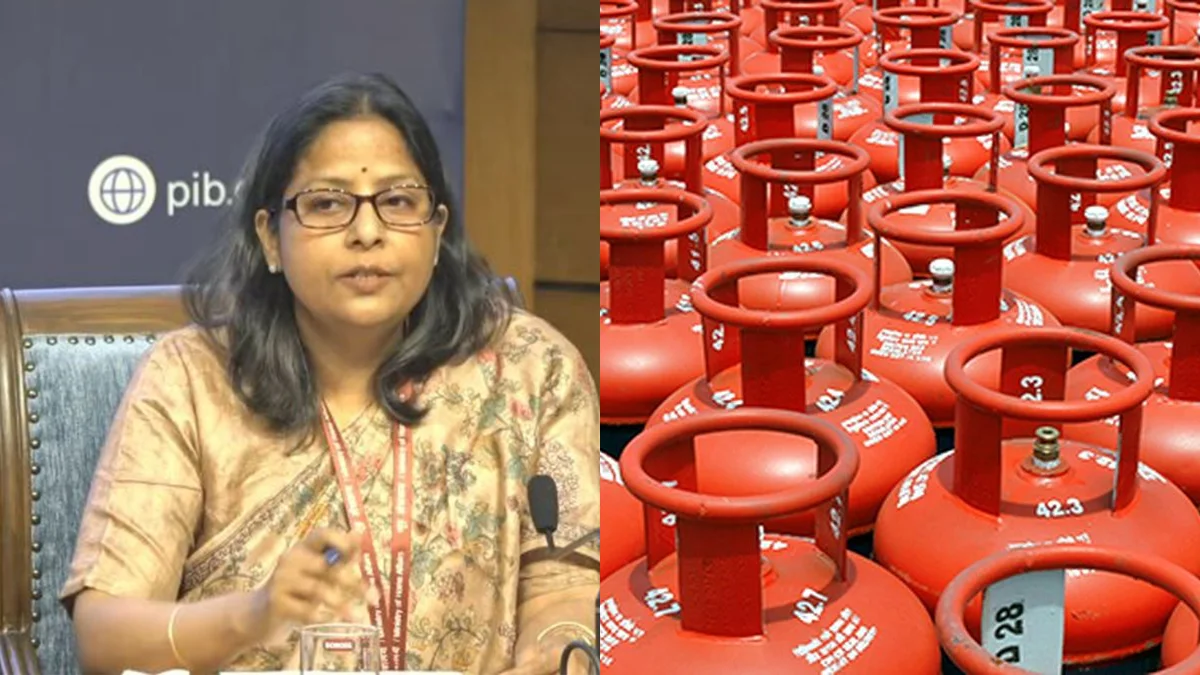

The Government of India has assured that there is no shortage of LPG across the country, even as panic-driven demand and misinformation attempts risk disrupting distribution systems. Senior officials from the Ministry of Petroleum and Natural Gas confirmed that supply chains remain stable and closely monitored.
Speaking on the issue, Sujata SharmaJoint Secretary (Marketing & Oil Refinery), stated that no “dry-out” situations have been reported at any LPG distributor level, underlining that inventories and logistics are functioning normally despite increased consumer concern.
Key supply & distribution highlights
- No LPG shortage reported at distributor level
- 92% LPG bookings happening through digital platforms
- 81% deliveries authenticated via delivery verification code
- Up to 70% supply ensured through existing arrangements
- Additional kerosene allocated as alternate fuel
- 2,800 raids conducted, around 500 cylinders seized
Digital systems strengthening distribution
Officials highlighted that digitisation of LPG services has played a crucial role in maintaining supply stability. With 92% bookings happening online, the system allows real-time tracking of demand patterns and prevents overbooking or duplication.
Similarly, 81% delivery authentication through codes ensures that cylinders reach genuine consumers, reducing leakages and illegal diversion. This has strengthened last-mile delivery efficiency, which is critical during periods of heightened demand.
Supply assurance and trade stability
The government has ensured that up to 70% of LPG supply requirements are being met without disruption, reflecting strong coordination between imports, refinery output, and domestic distribution.
India, being one of the world’s largest LPG importers, depends on global supply chains. Stable domestic distribution helps:
- Avoid sudden demand spikes in global procurement
- Maintain predictable import flows
- Prevent logistical bottlenecks at ports and storage hubs
To ease pressure on LPG consumption, additional kerosene has been allocated to states and Union Territories. This step provides an alternative fuel option, especially for vulnerable sections, and helps balance demand across fuel categories.
Rumours triggering market distortions
Authorities have raised concern over rumour mongering and panic creation, which can lead to artificial shortages. Officials noted that misinformation often results in:
- Panic buying and hoarding
- Uneven demand across regions
- Stress on transportation and delivery networks
The government has urged state administrations to take strict action against misinformation and maintain public confidence in the system.
Enforcement drive against illegal practices
In a major nationwide crackdown, authorities conducted around 2,800 raids, resulting in the seizure of nearly 500 LPG cylinders. These operations targeted:
- Black marketing
- Unauthorised storage
- Diversion of domestic LPG for commercial use
Such enforcement is crucial to ensure that subsidised LPG reaches intended beneficiaries and that supply chains remain efficient and transparent.
Impact and policy significance
The current situation highlights the importance of supply chain discipline and information control in the energy sector. While there is no structural shortage, panic-driven behaviour can:
- Distort demand signals
- Increase distribution costs
- Disrupt regional supply balance
Government measures combining digital monitoring, alternative fuel allocation, and strict enforcement—are aimed at maintaining stability in both domestic supply and broader energy trade flows.
Public advisory
Authorities have advised consumers to:
- Avoid panic booking or stockpiling
- Rely on official communication channels
- Report black marketing or irregularities
The government has reiterated that India’s LPG supply system remains robust and well-regulated, with no evidence of widespread shortages. While rumours continue to pose short-term challenges, officials maintain that proactive monitoring and enforcement actions are sufficient to ensure uninterrupted supply and market stability.

Comments are closed.