

The Government of India on Saturday held its fourth inter-ministerial media briefing to address public concerns over the ongoing geopolitical developments in West Asia, particularly the tensions impacting the Strait of Hormuz—a critical chokepoint for global energy shipments.
Officials from the Ministries of Petroleum and Natural Gas, External Affairs, Ports, Shipping and Waterways, and Information and Broadcasting emphasised that India’s domestic fuel supplies remain stable, with no shortages of petrol, diesel, or LPG reported, despite a surge in panic-driven bookings.
The briefing comes against the backdrop of escalated conflict in the region, including disruptions to maritime traffic through the Strait of Hormuz since late February 2026. This has raised global concerns over energy security, but Indian authorities assured citizens that proactive measures are in place to safeguard supplies.
Energy Supply Remains Robust
A senior official from the Ministry of Petroleum and Natural Gas highlighted that all refineries are operating at high capacity with sufficient crude oil inventories. India is fully self-sufficient in petrol and diesel production, requiring no imports to meet domestic demand. No retail outlet dry-outs have been reported by Oil Marketing Companies (OMCs).
Natural gas supplies to priority sectors, including piped natural gas (PNG) and compressed natural gas (CNG), continue at 100%, with industrial and commercial supplies regulated at 80%. City Gas Distribution entities in major cities have been advised to expedite PNG connections for hotels and restaurants to ease pressure on LPG.
LPG remains the primary area of concern due to the geopolitical situation, but officials stressed that no distributorship dry-outs have occurred. Domestic LPG production from refineries has surged by approximately 31% to prioritize household and essential sector needs. Daily bookings spiked from an average of 5.57 million to 8.88 million amid panic buying, with 84% now occurring online.
Commercial LPG cylinders have been released to State Governments for priority distribution in 29 States/UTs. Measures include rationalized booking intervals (25 days urban, up to 45 days rural), temporary permissions for biomass/RDF pellets or alternatives like coal/kerosene in the NCR, and an extra 48,000 KL kerosene allocation.
State Governments, including Haryana, Goa, Telangana, and Andhra Pradesh, have held review meetings, set up control rooms, and conducted raids to curb hoarding and black marketing. Enforcement actions in Maharashtra, Rajasthan, Uttar Pradesh, and other states resulted in inspections, FIRs, arrests, and prosecutions.
Maritime and Seafarer Safety
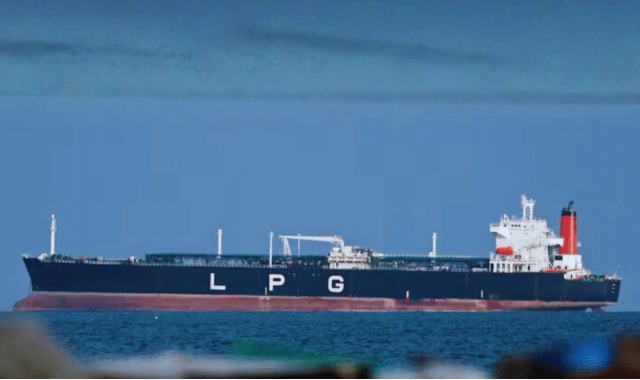
The Ministry of Ports, Shipping and Waterways reported no new incidents involving Indian seafarers in the past 24 hours. Two Indian-flagged LPG carriers, *Shivalik* and *Nanda Devi*, carrying over 92,700 MT of LPG, successfully transited the Strait of Hormuz and are expected at Mundra and Kandla ports on March 16–17.
Currently, 22 Indian-flagged vessels with 611 seafarers remain in the Persian Gulf region west of the Strait, under close monitoring by the Directorate General of Shipping (DG Shipping). The 24×7 Control Room has handled thousands of queries, repatriated 253 seafarers recently, and addressed concerns of over 1,300 individuals. Ports are prioritising LPG vessel berthing, offering concessions, and providing safe anchorage.
Welfare of Indian Nationals and Diplomatic Efforts
The Ministry of External Affairs reiterated India’s call for de-escalation and dialogue, while maintaining engagements with GCC countries, Iran, the US, and Israel to prioritise energy security and safe transit. Safety of Indian nationals remains paramount, with 24×7 helplines, advisories, and assistance for those affected by flight disruptions. Over 172,000 passengers have returned from the region since late February.
Tragic incidents were noted, including two Indian nationals killed and ten injured in Sohar, Oman, and earlier casualties/losses at sea. Missions are coordinating repatriation and support.
Fertiliser stocks are more than adequate for the upcoming Kharif 2026 season, with higher urea, nearly double DAP, and elevated NPK levels compared to last year.
Combating Misinformation
The Ministry of Information and Broadcasting warned against fake news, including AI-generated content, urging reliance on official sources like MoP&NG and OMC handles. Citizens were advised to book LPG digitally via apps, SMS, IVRS, or WhatsApp to avoid crowding.
The government reiterated its highest priority: uninterrupted domestic LPG supply for households, hospitals, and educational institutions. Coordinated efforts across ministries and states continue to monitor and mitigate any impacts from the West Asia situation.

Comments are closed.