

287
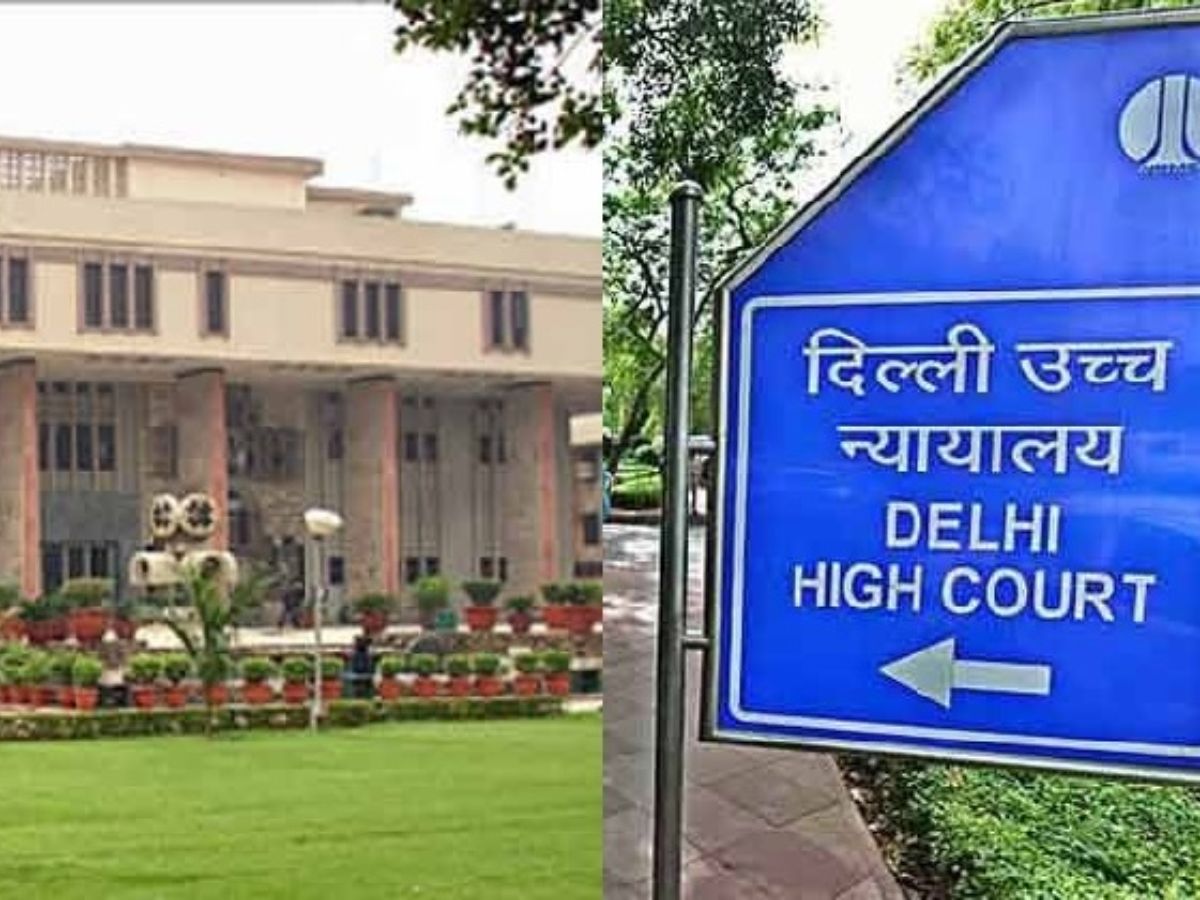
A Delhi court on 27 March extended by 10 days the National Investigation Agency custody of seven foreign nationals, including a United States citizen and six Ukrainians, in a case involving alleged breach of national security. NIA Special Judge Prashant Sharma, who conducted proceedings at the agency’s headquarters in the capital, directed that the accused be produced on 6 April after completion of custodial interrogation. The court allowed the agency’s plea to hold proceedings at its headquarters, noting the sensitivity of the case and its global ramifications. On 16 March, the court had granted 11-day NIA custody of the accused, which was extended by 10 days on Friday.
The accused have been identified in court records as Baltimore-born US national Matthew Aaron VanDyke and Ukrainian nationals Hurba Petro, Slyviak Taras, Ivan Sukmanovskyi, Stefankiv Marian, Honcharuk Maksim, and Kaminskyi Viktor. Court sources said the foreign nationals moved a plea seeking an independent translator to ensure fair judicial proceedings.
Indian security agencies are currently dismantling the layers of a sophisticated international network that successfully bypassed national borders to deliver drone technology into one of the most volatile conflict zones in Southeast Asia. At the heart of the probe is the American national Matthew Aaron VanDyke and six Ukrainian associates, whose arrest on 13 March has triggered an investigation defined by its geopolitical sensitivity and technical complexity. The core of the operation relied on a method involving disassembled transport of un-manned aerial systems into India. By breaking the drones down into individual components, the network was able to transport the hardware across international entry points without triggering the scrutiny typically reserved for military-grade equipment. Once inside the country, these parts were reportedly moved through internal logistics channels before being reassembled in safe houses, a method designed to reduce detection risk. These drones then were provided to terror groups in Myanmar who have a history of targeting both Indian forces as well as the Myanmar junta.
The planning of the group’s journey into Myanmar highlights a level of logistical coordination that has deeply concerned security agencies, including the National Investigation Agency. Despite the India-Myanmar frontier being a volatile theatre of conflict, this foreign cell was able to navigate insurgent-controlled or low-governance areas with a precision that suggests long-term preparation and high-level facilitation. Officials believe the group followed routes exploiting porous stretches of the India-Myanmar border, particularly in Mizoram and Assam sectors. The ability of Western nationals to operate in these areas without immediate detection points to a network that had secured the cooperation of local ethnic armed organizations. These groups reportedly provided the necessary ground cover for VanDyke and his team to conduct training sessions in drone assembly and signal-jamming tactics, effectively modernising insurgent capabilities in the Myanmar civil war.
Interestingly, the high-profile arrest of the Baltimore-born VanDyke has seen limited visibility in mainstream US media so far. It is understood that due to the international profile of the detainees, specifically the involvement of a United States citizen, Indian officials have remained tight-lipped about the specifics of the evidence. The current global political landscape has dictated a calibrated diplomatic approach, yet this outward caution belies the intensity of the legal work happening behind the scenes. Every document, every page, and every word within the court filings has been vetted by legal experts to ensure the case is entirely airtight. This level of scrutiny is intended to prevent any technical loopholes that could be exploited in a high-profile international prosecution. Despite the Ukrainian embassy’s public interest and reactive response following the arrest of its citizens, the NIA has maintained a strict stance on the judicial process.
As of mid-week, no consular access has been sought by Matthew Aaron VanDyke, who is facing charges under provisions of the Unlawful Activities Prevention Act. While VanDyke’s public record through his organisation, Sons of Liberty International, places him in past conflict zones like Libya and Ukraine, investigators note that his emergence in the South Asian drone theatre was unexpected. The ongoing probe now seeks to trace the financial and communication trails that enabled such a meticulously planned operation, as agencies work to determine whether this network was a standalone module or part of a larger sustained supply chain for aerial warfare in the region.
The investigation remains ongoing, with agencies expected to place further material before the court in the next phase of custody proceedings.

Comments are closed.