

- Slightly higher inflation in urban areas
- There have been major changes in the CPI basket
- Marginal Inflation Rate for January 2026 2.75%
India Retail Inflation: The Ministry of Statistics and Program Implementation has announced the retail inflation rate for January 2026 at 2.75% under the new Consumer Price Index (CPI) series. This is the first time that inflation has been assessed using the base year of 2024 instead of 2012. Inflation in rural areas was 2.73%, while in urban areas it was slightly higher at 2.77%, indicating that inflation is under control. According to January data on food and housing inflation, food inflation under the consumer food price index was 2.13% nationally. Food inflation was recorded at 1.96% in rural areas and 2.44% in urban areas. Also, housing inflation was 2.05%, with rural areas increasing by 2.39% and urban areas by 1.92%. There is currently no significant pressure on housing and food prices.
RBI mis-selling rules: RBI hit the banks! In case of mis-sold, full refund is mandatory
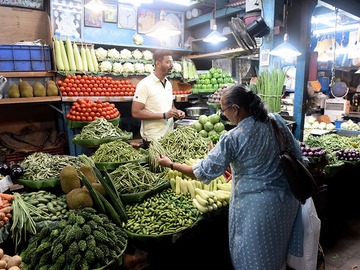
Although inflation figures for January 2026 show a significant decline in the prices of many kitchen essentials. While some commodities and jewelery categories witnessed sharp inflation, prices of food items such as garlic, onions, potatoes and tur fell by 15% to 53%, providing relief to food inflation.
The new CPI series updates country consumption patterns. The inflation basket and load have been revised based on the Household Consumption Survey 2023-24. Food and beverage weight has been reduced to approximately 36.8%. While the share of sectors like housing, services and communication has been increased. Rural house rents, online shopping, digital services and new consumption patterns are also included, giving a more realistic picture of inflation figures.
Today’s Gold-Silver Price: Gold expensive or cheap? Be sure to read today’s rates before buying jewellery
The new CPI series is important to financial markets, policymakers and investors because inflation will now be measured based on current consumption patterns. It can also affect bond yields, interest rates and investment decisions. Overall, this change is considered a big step towards better reflecting India’s changing economic realities. Although inflation is below the RBI’s target of 41%, the rising share of core inflation in the new series could impact monetary policy decisions going forward.
Experts believe that the new series will lead to more accurate inflation forecasts and clarity in interest rate decisions. Inflation data for January 2026 showed higher price pressures in cities, where urban retail inflation was 2.77%, slightly higher than rural inflation of 2.73%. In particular, urban inflation in the food category was recorded at 2.44%, which was higher than rural inflation, indicating that urban consumers were more affected by prices.

Comments are closed.