

India’s transition toward clean energy reached a historic milestone in the fiscal year ending March 2026, as the country added a record 50.9 gigawatts of renewable power capacity excluding large hydro projects. The expansion reflects accelerating investment and infrastructure growth across the renewable sector, particularly in solar energy, which accounted for the overwhelming share of new installations. Combined with additions from nuclear and large hydro sources, total non fossil capacity expansion during the year reached 55.3 gigawatts, underscoring the scale of India’s energy transformation.
Solar power continued to dominate the renewable expansion story, with an unprecedented 44.6 gigawatts added in FY26 alone. This surge pushed India’s installed solar capacity beyond the 150 gigawatt mark, reinforcing the country’s position as one of the fastest growing solar markets in the world. Over the past three fiscal years, India has added roughly 98 gigawatts of renewable capacity, signalling sustained momentum in scaling clean energy infrastructure nationwide.
Overall renewable capacity excluding large hydro reached 223 gigawatts by March 2026, with much of the progress concentrated in the years following the pandemic. In the last five years alone, India has added approximately 127 gigawatts of renewable energy capacity. Solar energy played the central role in this expansion, contributing nearly 109 gigawatts during that period and demonstrating the government’s strong push toward utility scale and distributed solar deployment.
Rooftop solar installations also showed notable growth during FY26. An additional 8.7 gigawatts were installed over the year, bringing total rooftop capacity to 25.7 gigawatts compared with just 6.6 gigawatts in March 2022. This sharp increase reflects growing adoption among households, commercial users, and small industries seeking reliable and cost efficient energy alternatives.
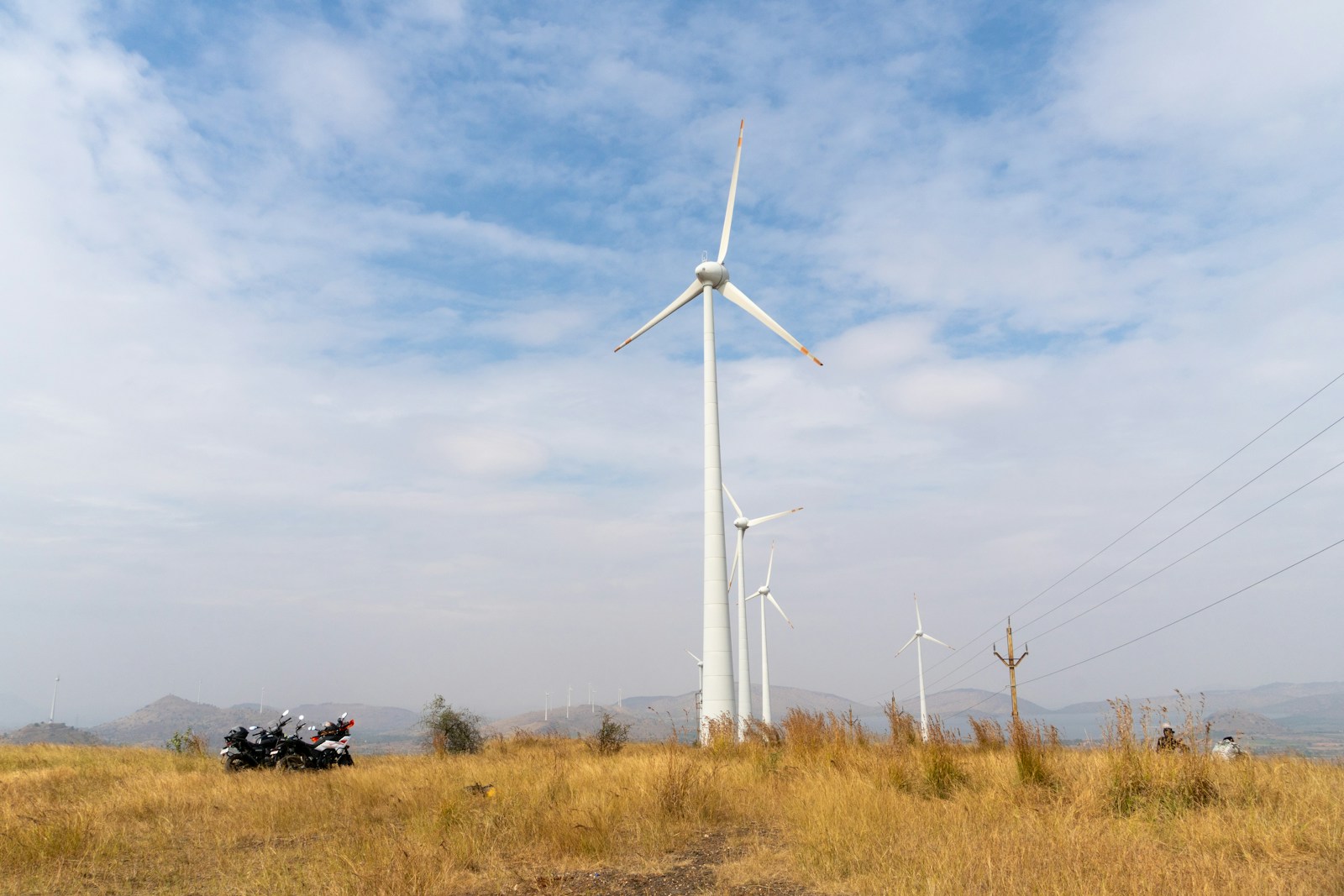
Wind power and other clean energy sources continued to strengthen India’s non fossil energy portfolio as well. Wind capacity recorded its highest ever annual addition of 6.05 gigawatts, lifting total installed wind power to 56 gigawatts. Large hydro contributed another 3.7 gigawatts, while nuclear energy added 0.7 gigawatts. Together, these developments helped raise India’s total non fossil energy capacity to 283 gigawatts, with non fossil sources accounting for about 29.2 percent of total electricity generation and renewables including large hydro representing roughly 26.2 percent of the national energy mix.

Comments are closed.