


The market environment undergoes changes because of the increased costs and changes in consumer preferences and premiumization trends. India’s smartphone market began 2026 with poor performance, as Counterpoint Research’s Monthly India Smartphone Tracker showed that India’s smartphone shipments reached their lowest point in six years during the first quarter.
The market slowdown results from rising smartphone costs combined with weak consumer demand and fundamental changes in Indian purchasing and device upgrading patterns. The first impression of a minor decline conceals complex market changes that currently affect one of the largest smartphone markets in India.
Shipments Decline Amidst Weak Demand
The Monthly India Smartphone Tracker of Counterpoint Research shows that smartphone shipments in India decreased by approximately 3% during the first quarter of 2026, which represents the lowest first-quarter results since 2020.
The market has entered a period of stagnation and recalibration because the current situation shows that the market growth has stopped after showing signs of improvement throughout the previous year. The analysts present their observation that the current economic slowdown results from multiple economic factors that interact with the changing patterns of consumer behavior.
The early months of this year in India experienced reduced smartphone sales because consumers had exhausted their purchasing needs after the festive season. The 2026 drop in the market performance has extended beyond normal seasonal declines, which indicates that multiple hidden factors are currently impacting the market.
Rising Prices Disrupt Affordability
The sharp rise in smartphone prices has emerged as one of the primary reasons for the economic downfall. Reports indicate that over 80 smartphone models saw an average price hike of nearly 15%, driven primarily by rising component costs and global supply chain pressures.
Memory chips, display panels,s and other key components have become more expensive because global demand, which includes AI infrastructure,e has compelled manufacturers to raise their retail prices.
The Indian market, et which needs affordable products, has experienced direct effects from the price increase. Entry-level and budget segments, which traditionally drive high volume,s have been hit the hardest as devices move into higher price brackets. The number of people who choose to upgrade their devices has decreased, while they continue using their current devices for extended periods.
Shift Towards Choosing Premium Products Continues
The market observes a decreasing number of shipments, yet premiumization remains the only trend that shows stronger growth. The research shows that the Indians purchase premium phones,s which drive market expansion despite constant volume sales. The website “counterpointresearch.com” shows dedicated research on this subject. The research shows how consumer patterns have changed between two distinct time periods.

It also shows how users choose to keep their high-end smartphones for extended periods of time instead of upgrading to mid-range devices. The market value of Apple and Samsung has increased because their products follow this trend, nd which enables these companies to gain market share despite declining shipment numbers.
Market Leaders And Competitive Dynamics
According to the brand performance assessment, Vivo maintained its status as India’s top smartphone brand during Q1 2026. Samsung and Oppo followed behind Vivo. The quarter demonstrated how competitive market conditions had changed. Established brands held onto their market share while newer companies demonstrated significant expansion.
The market saw Nothing achieve one of its highest growth rates because customers showered increasing interest in alternative brands that provide unique products. The market experiences overall deceleration while competition among businesses becomes more intense because brands search for fresh methods to attract customer interest and increase sales.
Structural Changes In Consumer Behaviour
The decline in shipments is also tied to a broader shift in consumer behaviour. The traditional smartphone upgrade cycle, which manufacturers used to depend on rapid technological advancements, has now reached a slower development pace. The modern smartphone system delivers small improvements to users, resulting in decreased need for users to get new devices.
The rising costs, along with this factor, have resulted in a major increase in the time that people keep their current devices. People make purchasing choices because of economic conditions, which include inflation and their tendency to spend money carefully. Consumers are now spending their money on essential needs instead of buying non-essential smartphone features, which decreases smartphone market demand.
Industry Faces A Transitional Stage
The current slowdown shows that India currently experiences a transitional stage in its smartphone market. The market has reached its maturity stage after experiencing rapid development,t which began when affordable devices became available, and people gained better access to networks. Counterpoint Research predicted that shipments for 2026 would decrease because of rising costs and supply-side pressures.
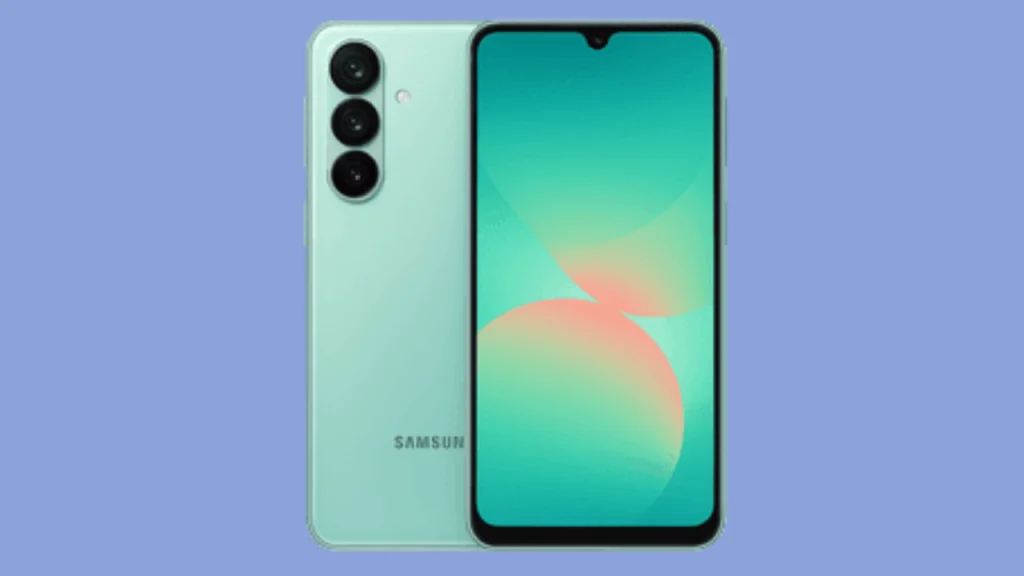
The global smartphone market will experience decreasing shipments due to both component cost increases and market saturation. The new market conditions require manufacturers to develop their business strategies because they need to drive growth through product value, innovative solutions, and unique product features.
Final Thoughts on India smartphone shipments
The Indian smartphone market reached its lowest point in six years during the first quarter of 2026 because pricing changes, consumer behaviour shifts, and market maturity factors created permanent market disruptions. Counterpoint Researcher’s Monthly India Smartphone Tracker shows that manufacturers face difficulties because demand has decreased while prices have increased. The market undergoes transformation because the demand for premium devices keeps growing and the competitive landscape keeps changing.

Comments are closed.