
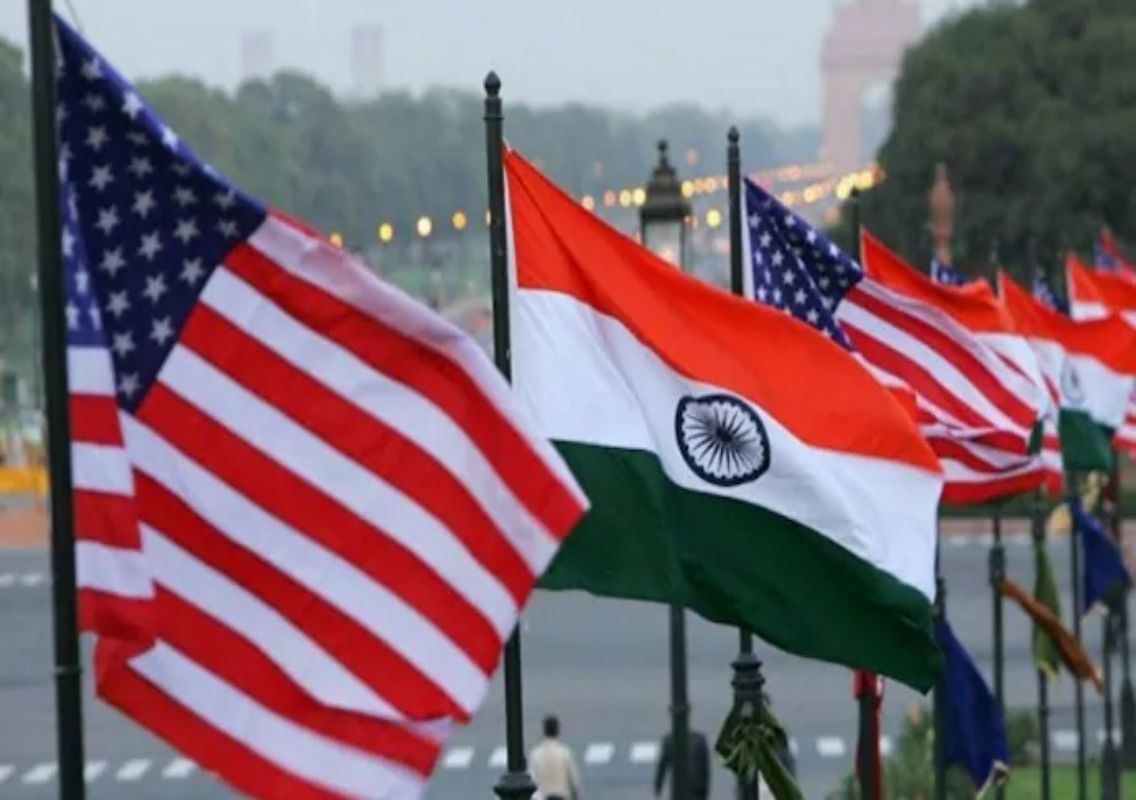

New Delhi: India and the United States are moving closer to finalising the first tranche of their proposed bilateral trade agreement, with Union Commerce and Industry Minister Piyush Goyal indicating that an interim deal could be signed by mid-July.
The latest round of discussions between the two countries has been described as “constructive and positive”, signalling steady progress towards strengthening economic ties. The negotiations are part of a broader effort to establish a comprehensive Bilateral Trade Agreement (BTA), with an interim arrangement expected to be concluded first.
Positive momentum in recent talks
A delegation from the United States Trade Representative (USTR) visited India from June 1 to June 4, 2026, to continue negotiations on the trade deal. The meetings, held in New Delhi between June 2 and June 4, brought together officials from multiple trade divisions of both countries.
Speaking about the outcome, Piyush Goyal said the discussions were “excellent” and highlighted the collaborative spirit of the engagement. He noted that both sides are working actively to resolve pending issues and move towards finalising the agreement.
“We are fast moving towards closing all the open ends,” Goyal said, expressing confidence that the first tranche of the agreement would be ready for execution soon.
First tranche to boost India’s trade position
The proposed first tranche of the trade agreement is expected to provide preferential market access for Indian goods in the US market, helping Indian exporters compete more effectively with global rivals.
Goyal emphasised that this initial phase would be “very vibrant” and beneficial for India’s trade interests. He also indicated that a higher-level delegation from the United States is likely to visit India later this month to carry forward the discussions.
The interim agreement is seen as a stepping stone towards a comprehensive trade pact that would address a wider range of economic issues between the two countries.
Key areas of negotiation
According to official sources, the latest round of talks covered several critical aspects of bilateral trade. These include trade in goods, customs procedures, trade facilitation, non-tariff barriers and economic security cooperation.
Both sides have approached the negotiations with a focus on achieving a balanced and mutually beneficial agreement. The Ministry of Commerce stated that discussions were conducted in a spirit of cooperation and pragmatism.
The Ministry of External Affairs (MEA) also confirmed that India and the United States have reaffirmed their commitment to advancing the negotiations and finalising the agreement at the earliest.
Signs of nearing conclusion
Recent developments suggest that the negotiations are in their final stages. US Ambassador to India Sergio Gor recently stated that only a small portion of the agreement remains unresolved.
Goyal has echoed similar sentiments, noting that most of the major issues have already been settled. Current discussions are primarily focused on ironing out the remaining details before formalising the first phase of the deal.
The progress reflects a growing alignment between the two countries on trade priorities and economic cooperation.
Strategic importance of the agreement
The India-US trade deal holds significant importance for both economies. For India, it offers an opportunity to expand exports, attract investment and strengthen its position in global supply chains.
For the United States, the agreement could enhance access to one of the world’s fastest-growing major markets and deepen economic engagement with a key strategic partner.
The ongoing negotiations are part of a broader framework announced earlier this year to boost bilateral trade and economic cooperation.
Conclusion
As negotiations enter their final phase, the likelihood of concluding the first tranche of the India-US trade agreement by mid-July appears strong. While the comprehensive deal will take more time, the interim agreement is expected to deliver immediate benefits and set the stage for deeper economic integration between the two nations.

Comments are closed.