
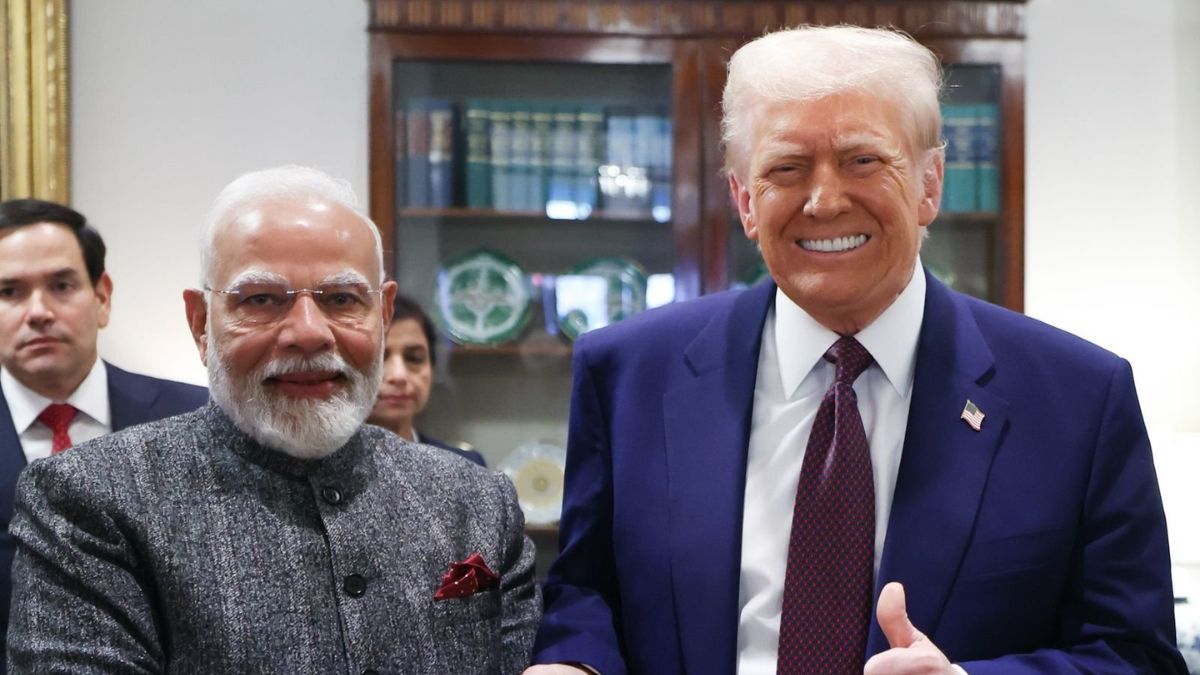
India–US trade talks continue as envoy-designate Sergio Gor signals fresh engagement, next call due tomorrow

The India–United States trade dialogue remains active despite recent reports of friction, with Sergio Gorthe US Ambassador-designate to India, stating that both sides “continue to actively engage” on tradewith the next call scheduled for tomorrow. His remarks indicate that diplomatic and economic channels remain open even as broader questions emerge around the nature of executive-driven trade negotiations.
This comes amid intense scrutiny following reports that negotiations slowed after Prime Minister Narendra Modi did not place a direct telephone call to US President Donald Trump. According to US Commerce Secretary Howard Lutnickthe absence of that communication triggered a chain of economic and strategic consequences, including tariff escalation and market volatility.
A revealing moment in modern trade diplomacy
The reported breakdown is less about diplomatic etiquette and more a case study in how global trade negotiations are evolving. Traditionally, trade agreements progress through institutional frameworks, legal texts, and ratification processes. The suggestion that a comprehensive deal hinged on a personal call between leaders marks a sharp shift toward personality-driven diplomacy.
From a public international law perspective, no binding obligation can arise without formal acceptance, ratification, or signature. As a result, the stalled talks represent non-formation of obligations rather than a breachunderscoring the legal fragility of informal executive assurances.
Tariffs as tools of political pressure
President Trump’s decision to double tariffs on certain Indian goods to 50%, including a retaliatory 25% levy linked to India’s purchase of Russian oil, raises questions under multilateral trade norms. While national security exceptions are often cited, such measures are expected to meet proportionality and necessity standards.
Linking energy procurement decisions to unrelated trade penalties weakens legal defensibility and potentially conflicts with principles such as Most Favoured Nation treatment under the World Trade Organization framework. India’s choice not to immediately pursue formal dispute resolution appears strategic rather than an admission of legal fault.
Strategic autonomy versus transactional pressure
Indian officials have reportedly been cautious about informal executive exchanges that could politically or constitutionally constrain future policy choices. Unlike the US system, India’s trade commitments involve parliamentary scrutiny and long-term sovereign implications. This stance aligns with India’s doctrine of strategic autonomy, particularly on sensitive issues like energy security.
Russian oil, sanctions, and global energy law
India’s imports of Russian oil remain lawful under international law in the absence of a United Nations Security Council mandate. Using tariffs as a proxy for secondary sanctions introduces uncertainty into global energy and trade systems, signaling to emerging economies that access to markets may increasingly depend on geopolitical alignment rather than legal compliance.
Market fallout and systemic risks
The immediate impact on the Indian rupee following renewed tariff threats highlights how executive-driven trade volatility can unsettle currencies, investors, and supply chains. Markets are structured around predictability and rules; policy swings tied to personal diplomacy amplify uncertainty that financial systems struggle to absorb.
What lies ahead
Lutnick’s comments that India continues to seek tariff terms comparable to those offered to Britain and Vietnam expose the fragmented, time-bound nature of current US trade strategy. Accepting reduced terms under pressure could carry long-term structural costs for India, while resistance reinforces a rules-based approach.
As Sergio Gor’s statement suggests, engagement continues. Yet this episode underscores a broader shift in global trade diplomacy—from institutional processes to transactional, personality-led negotiations. For India, restraint may prove a calculated assertion of sovereignty. For the global system, it serves as a warning that sidelining legal frameworks in favor of executive pressure carries lasting systemic risks.

Comments are closed.