
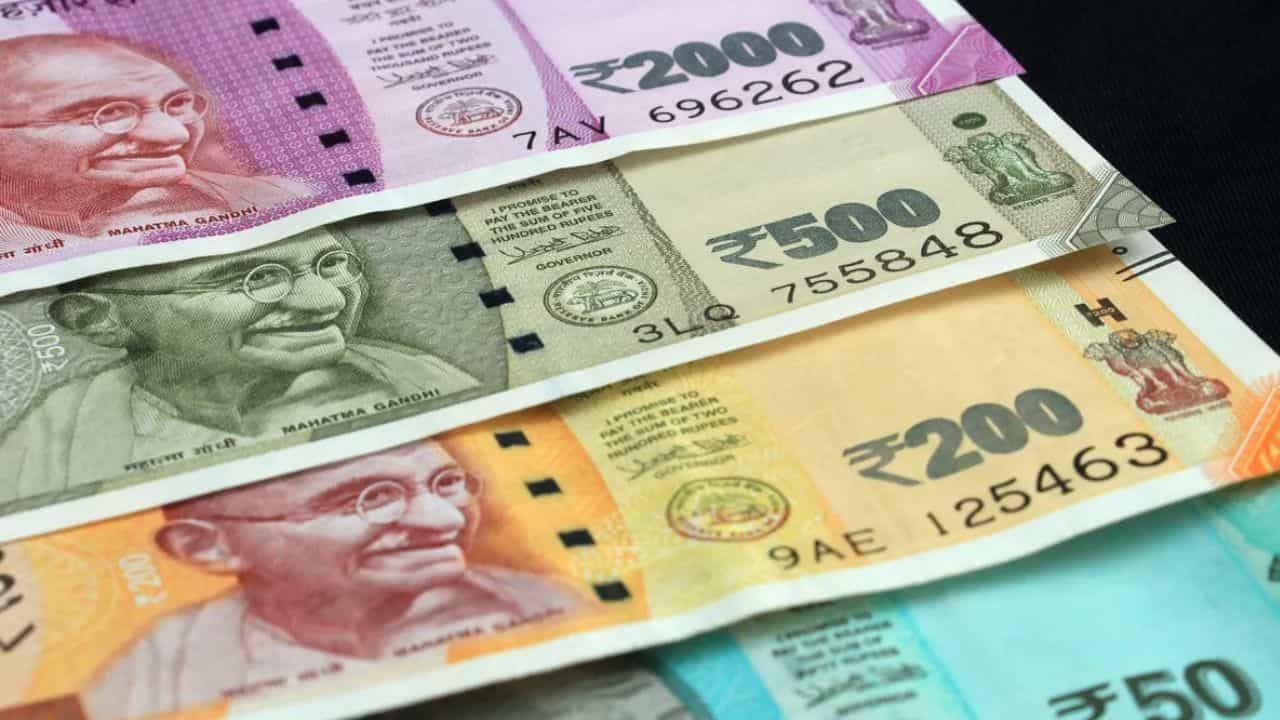
Indian Currency: Instead of paper notes, now plastic currency will shine in the pocket, RBI issued global tender for printing polymer notes.

Mumbai/Lucknow. A very big and historic news is coming out from the Indian economy and banking sector. The Reserve Bank of India (RBI) has started work on a big project to replace the age-old traditional paper currency in the country with completely plastic i.e. Polymer Banknotes. Taking a step towards this revolutionary change in the currency system of the country, RBI’s note printing branch ‘Bharatiya Reserve Bank Note Mudran Private Limited’ (BRBNMPL) has recently issued a global tender for the supply of ‘Opacified Polymer Substrate Sheets’ (base material for making plastic notes) used for note printing. According to official sources, under this ‘Global Expression of Interest’ (EoI), interested global manufacturers have been given the last date till August 18, 2026 to submit their bids. In the first phase, trial will be done on ₹ 10 and ₹ 20 notes. According to this plan of RBI, this pilot project of plastic container will be started initially with the most commonly used small denomination notes i.e. ₹ 10 and ₹ 20 notes. According to the tender documents, the initial requirement is a total of 68,000 reams of material, which is divided into 34,000-34,000 reams for printing notes of two different denominations (note that one ream contains a total of 500 plastic sheets). Only after the successful and positive field trial of this pilot project, polymer sheets will be procured in large quantities for high denomination notes in the country. According to media reports, full-scale rollout of these plastic notes can be seen in the Indian markets from the year 2027. Very strict rules for security, strict ban on China-Pakistan Since the matter is related to the national security and sovereignty of the country, the Government of India and RBI have laid down very strict rules and conditions for the companies submitting the tender: No operation or unit of any global company bidding should be active in China or Pakistan. No raw material used for India’s currency project will be imported from these two countries. The companies will also have to undertake that they will not supply these sheets with specific safety features designed for India to any third country. Apart from this, while respecting religious and cultural sentiments, it will be mandatory to certify that the rubber or plastic mixture does not contain any kind of animal fat or DNA. Why are plastic notes better than paper notes? According to experts, even though the initial cost of printing plastic notes may be slightly higher than paper notes, it has many unique benefits in the long run: 5 times longer life (Durability): While an ordinary ₹100 paper note gets mutilated or soiled in an average of 4 years, plastic notes remain protected from water, moisture and dirt and last for 15 to 20 years without getting damaged. Control on Counterfeiting: Polymer notes can be embedded with such state-of-the-art color-shifting security features and transparent windows that it will be impossible for counterfeiting rackets and fraudsters to copy them exactly. Will old notes be discontinued? RBI has clarified that this is only a phased process and the paper notes currently in your wallet will remain completely valid and valid, there is no need for the public to panic or face any kind of hassle. Developed countries like Australia, UK, Canada and Singapore are already fully using polymer currency.

Comments are closed.