
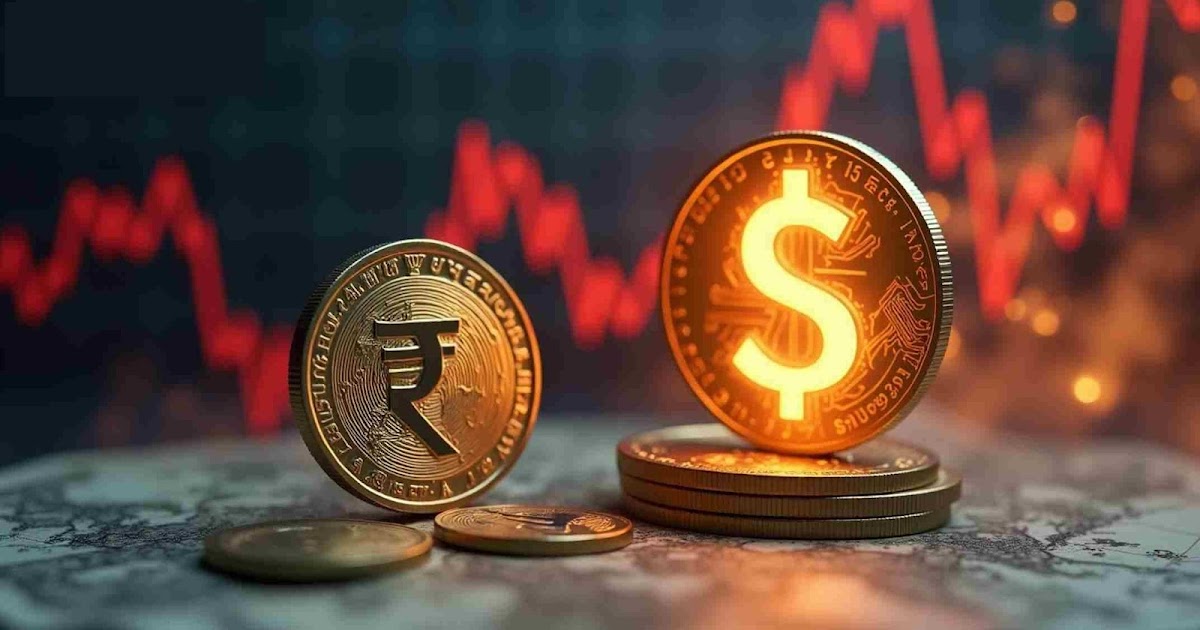

New Delhi. Amidst increasing global geopolitical tensions and fluctuating energy prices, India is moving towards making a major change in its economic strategy. The government is now working on a plan to conduct trade with Gulf countries in local currencies instead of US dollars. The move is aimed not only at reducing import costs but also at protecting against external economic shocks.
What is the new strategy?
The government plans to reduce dependence on the dollar for imports of oil and other essential commodities. For this, India and Gulf countries can use their respective currencies in mutual trade. With this arrangement, additional expenses and exchange rate risks incurred during transactions in dollars can be reduced to a great extent.
Role of Gulf countries
This initiative can be implemented mainly with Gulf Cooperation Council countries. This includes countries like Saudi Arabia, United Arab Emirates, Kuwait, Qatar, Oman and Bahrain. A large part of India’s total crude oil imports come from these countries, hence starting trade with them in local currency is considered very important strategically.
Why is this step necessary?
India is dependent on imports for about 85% of its oil needs. In such a situation, changes in oil prices in the international market directly affect the country’s economy. When prices rise or the rupee weakens, both the import bill and inflation rise. Trading in local currency can reduce these risks and help maintain economic stability.
Direction received from UAE model
India has already implemented a successful model in this direction with the United Arab Emirates. After the introduction of local currency settlement system between the two countries, trade is being done directly in rupees and dirhams. This has reduced transaction costs and helped in reducing dependence on the dollar.
What is the plan next?
The government is now preparing to extend this model to other Gulf countries. Also, this issue will be raised prominently during the proposed Free Trade Agreement (FTA) negotiations. However, due to ongoing tensions in West Asia, formal talks in this direction are likely to start in the second half of 2026.
If this plan is successful, there could be a major change in India’s international trading system. This will not only reduce dependence on the dollar but will also increase the global acceptance of the rupee. Also, the country may get reduced import costs and better protection from economic shocks.

Comments are closed.