

Bengaluru-based Pronto is helping to bring India’s largely informal domestic help market online. As daily bookings climb and its city footprint expands, investors are opening their wallets.
The startup said Tuesday that it raised a $25 million Series B round led by Epiq Capital, valuing the nine-month-old company at $100 million. That’s more than double its $45 million valuation in August 2025 and over eight times the $12.5 million level when it emerged from stealth in May. Existing investors Glade Brook Capital, General Catalyst, and Bain Capital Ventures also participated, bringing total funding to around $40 million.
Pronto offers quick, structured services for everyday chores — from mopping to utensil cleaning — promising trained, background-verified professionals on demand.
The startup says it can dispatch workers within about 10 minutes in several of its micromarkets (servicable locations within cities it operates), positioning the service closer to quick commerce than traditional home services. Each worker — whom the company calls a “Pro” — undergoes in-person training and background verification before taking bookings and is assigned structured shifts intended to provide more predictable income than the informal arrangements common in the sector.
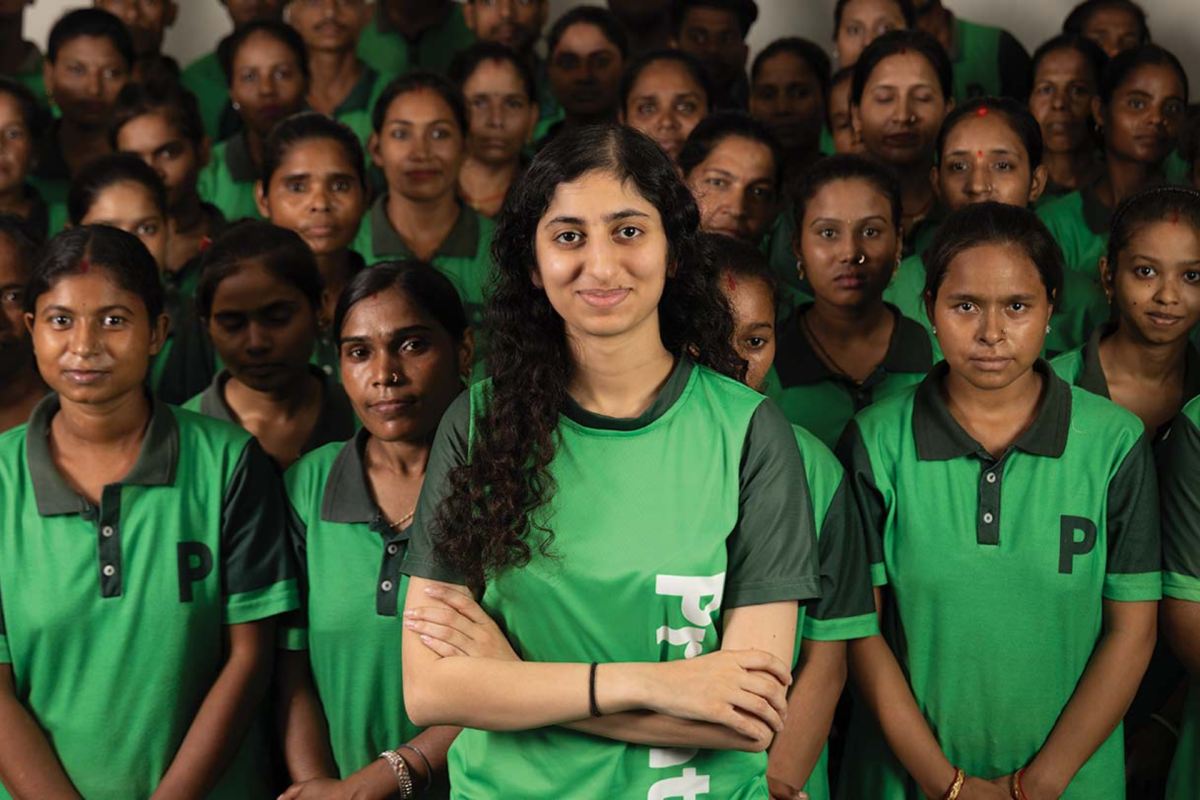
Pronto is now handling 18,000 bookings a day, up sharply from roughly 1,000 daily bookings last year, founder Anjali Sardana (pictured above, center) said in an interview. The median time between a customer’s first and second booking is just two days, she added, with the platform’s top 10% of users placing nine or more orders a month. Sardana said the startup is targeting 70,000 daily bookings by June.
The startup has also moved quickly to widen its geographic footprint, expanding from one city to 10 — including Delhi NCR, Bengaluru, and Mumbai — and from five to more than 150 micromarkets in the past seven months, Sardana said. Still, the bulk of activity remains concentrated in a handful of markets, with the National Capital Region, which includes cities surrounding New Delhi, accounting for about half of total bookings.
Sardana said Pronto has barely begun to tap India’s predominantly offline domestic services market, where most hiring still happens through informal networks. “I still believe that 99.99% of this market is completely offline,” she told Read. “In aggregate, less than 100,000 people are using a service like this per day, while tens of millions of households rely on offline arrangements.”
Techcrunch event
San Francisco, CA
|
October 13-15, 2026
Market research backs that up. The overall home services sector, according to a Redseer Strategy Consultants reportwas valued at around ₹5,100 to ₹5,210 billion (about $56 billion to $57 billion) in FY 2025. Yet, online penetration stood at less than 1% of net transaction value, highlighting how deeply entrenched word-of-mouth channels remain. But the online segment — currently small — is projected to grow at an 18% to 22% compound annual rate through FY 2030, as rising incomes, urbanization, and demand for reliability and convenience push more households to try digital platforms.
Building the workforce
Pronto currently works with 4,500 active professionals on its platform, around 99% of whom are women, Sardana said. Workers who complete roughly 20 days of shifts a month earn a median of ₹23,000 to ₹25,000 (around $251 to $273), she added. Monthly worker retention is above 70%. Even so, demand continues to outpace the onboarding of new workers, with bookings growing about 20% week over week, the founder said.
Pronto’s unit economics are still evolving as it expands into newer markets. Sardana said the company is seeing “very positive green shoots” in its oldest micromarkets in Gurugram, where contribution margins have turned positive, though newer markets remain in investment mode.
Sardana told Read that Pronto has burned about $8 million to date and now has roughly two years of runway following the latest fundraise.
Pronto plans to deploy the fresh capital primarily toward onboarding more professionals, deepening its presence in existing markets, and expanding into new cities, Sardana said. It is also piloting new offerings such as cooking, car washing, and dog walking and is exploring additional categories, including salon services. For now, however, core tasks — including sweeping, mopping, and utensil cleaning — remain the platform’s most-used services.
The startup operates with a core team of about 60 employees, including roughly 15 to 16 across engineering, product, and design, while marketing remains lean with a small brand and performance team, Sardana said.
The competition
Pronto is operating in an increasingly heated segment of India’s home services market, alongside rivals such as Snabbit and publicly listed Urban Company. Snabbit raised $30 million in late October at a $180 million valuation — more than doubling in five months — and reported about 830,000 orders in February, up from roughly 500,000 in December. Urban Company, meanwhile, said its platform crossed 50,000 daily bookings in February.
Sensor Tower data reviewed by Read suggests Pronto’s daily active users grew about 37% to roughly 101,000 between late January and late February, compared with about 30% growth for Snabbit to around 93,000 daily users over the same period.
Sardana said Pronto remains focused on service quality as competition heats up. “At the end of the day, customers will come to the platform that provides the highest quality service,” she said.

Comments are closed.