
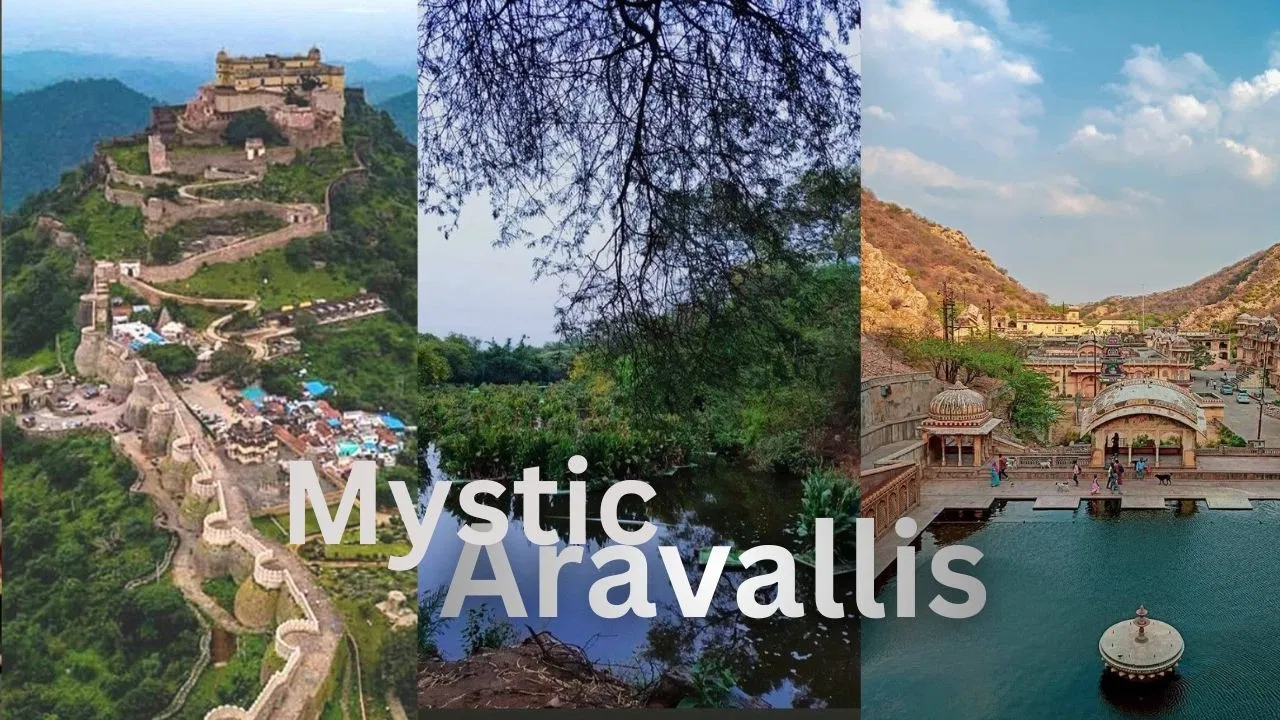

New Delhi: The Aravalli range across India has gained National attention since the Supreme Court has passed the Union Ministry’s new definition of what counts as part of the Aravallis. Only the area which is above 100 metres in height will get legal protection. The change has created strong debates and outrage across Rajasthan. Environmental groups, activists and communities are protesting as the new rule can harm the environment.
After the new rule implementation, 90 per cent of the Aravallis in Rajasthan will lose their protected status, because they are low-lying hills. Out of nearly 1.6 lakh hill formations, only 1048 are more than the height of 100 metres high. But what exactly is Aravali, and what are the areas it covers? This question arises in lots of minds and needs to be highlighted properly in order to understand the need to protect and why they matter more than just the heights.
How old are the Aravallis?
Stretching from Delhi, Gurugram (Haryana), to Rajasthan into Gujarat, the Aravallis are one of the oldest mountain ranges in India, even older than the Himalayas. The value not only lies in being the oldest but also in the forests, cities, water systems, wildlife corridors and political history of the place, which makes it a concern to be protected.
Aravallis are a crucial mountain range for the protection of India’s climate as it acts as a barrier against the Thar Desert, and is known for its rich mineral deposits and biodiversity.
Cities formed by the Aravallis
The range passes through the most important cities of North India. Some embrace the cultural heritage backdrops, while others act as the forests for green lungs.
Delhi
Delhi’s southern districts rest on the Aravalli Ridge, with neighbourhoods such as Mehrauli, Vasant Kunj, Tughlaqabad, Asola Bhatti, Sanjay Van, and Qutub Complex directly shaped by the rocky terrain. The ridge acts as a natural air corridor and biodiversity hotspot, supporting nilgai, jackals, porcupines and a strong bird population.
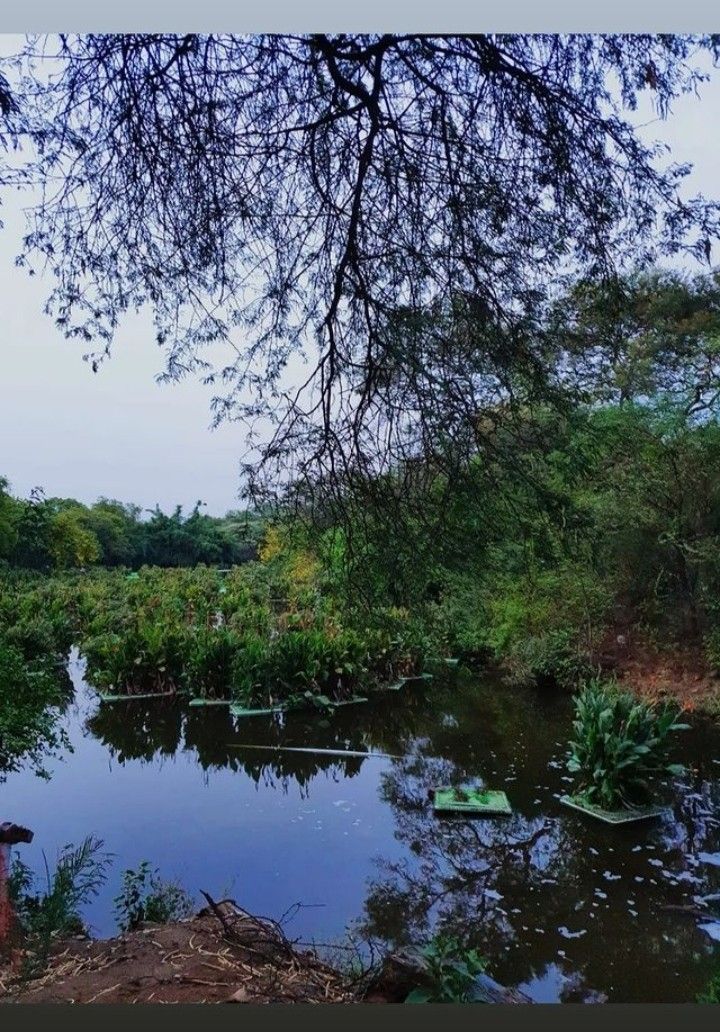
Gurugram and Faridabad (Haryana)
Modern glass towers rise dramatically against the Aravalli backdrop. Key landscapes include:
- Aravalli Biodiversity Park
- Gwal Pahari ridge
- MANAR BANI SACRED GROVES
- Surajkund–Badkhal belt, rich in quartzite rocks
Here, the Aravallis play a crucial role as a green barrier between Delhi and the Thar’s dust storms.
Jaipur
Few cities in India owe their visual drama to the Aravallis the way Jaipur does. The Pink City is ringed by rugged hills, giving rise to iconic silhouettes of:
- Amber Fort,
- Jaigarh,
- Nahargarh,
all strategically built atop the hills. These high ridges frame Jaipur’s skyline and once served as the city’s defence line.
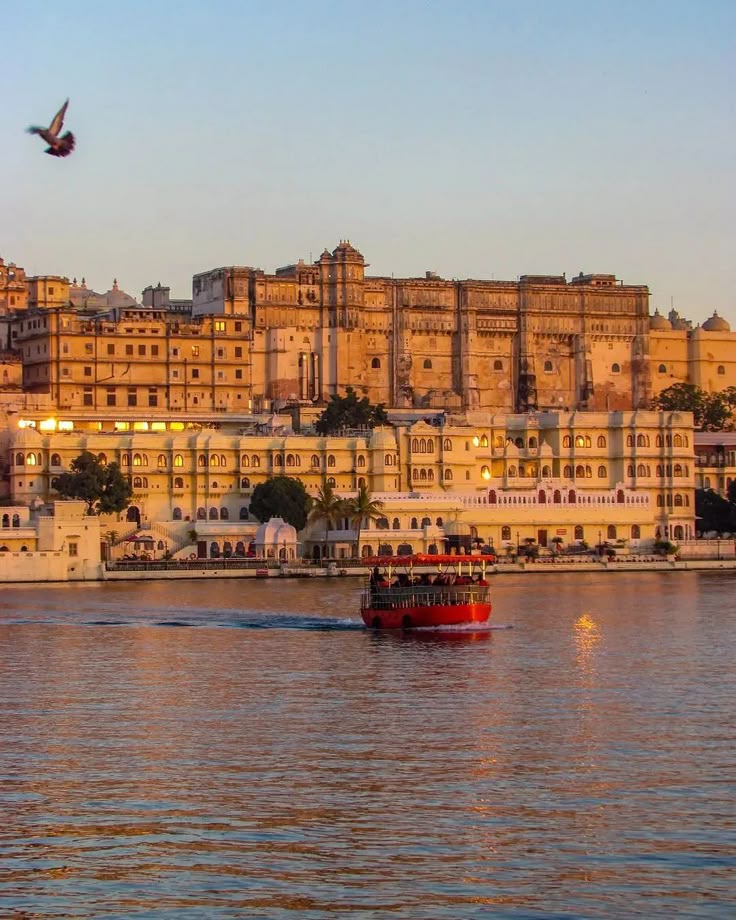
Udaipur
In southern Rajasthan, the Aravallis turn lush. Udaipur’s lakes, Pichola, Fateh Sagar, and Badi, exist because of the hill catchments surrounding the city. The range forms a picturesque amphitheatre around Udaipur, giving the city its “Venice of the East” charm.
Mount Abu
Perched at over 1,700 metres, Mount Abu is the only hill station in the Aravallis. Its cooler climate, evergreen patches and viewpoints like Guru Shikhar, Sunset Point, and Honeymoon Point show the gentler, more forested side of the range.
Gujarat (Aravalli District, Ambaji, Idar)
The southern end of the range is greener and tribal-dominated, with towns like Ambaji, Modasa, and Idar shaped by the base of the hills.
Forests and Wildlife Sanctuaries
Home to many animals and kinds of trees, the Aravallis range has multiple forests and wildlife sancturies.
- Sariska Tiger Reserve (Alwar): A classic Aravalli habitat with tigers, leopards, sambhar and ancient temple ruins hidden deep within forests.
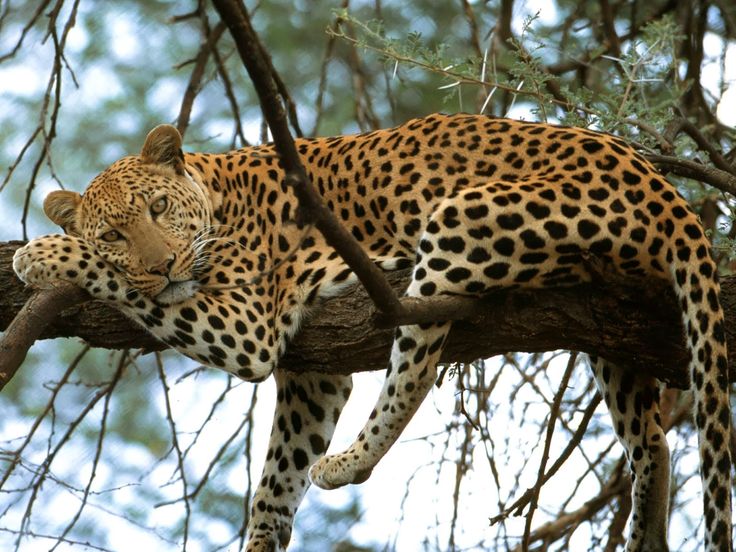
- Jhalana Leopard Safari (Jaipur): A thriving leopard population living within the city’s Aravalli fold.
- Kumbhalgarh Wildlife Sanctuary (Rajasthan): Dense forests surrounding the iconic fort wall that winds along the Aravalli crest.
- Mount Abu Wildlife Sanctuary: Known for rare flora, waterfalls and strong leopard presence.
- Jaisamand Sanctuary (Udaipur region): Lush southern landscapes supporting migratory birds.
- Asola Bhatti Wildlife Sanctuary (Delhi): The last large forested patch of the Delhi ridge.
- Mangar Bani (Haryana): A sacred grove and one of the oldest surviving natural Aravalli forests.
Forts and historical buildings
- Amber Fort & Jaigarh Fort (Jaipur)
- Nahargarh Fort (Jaipur)
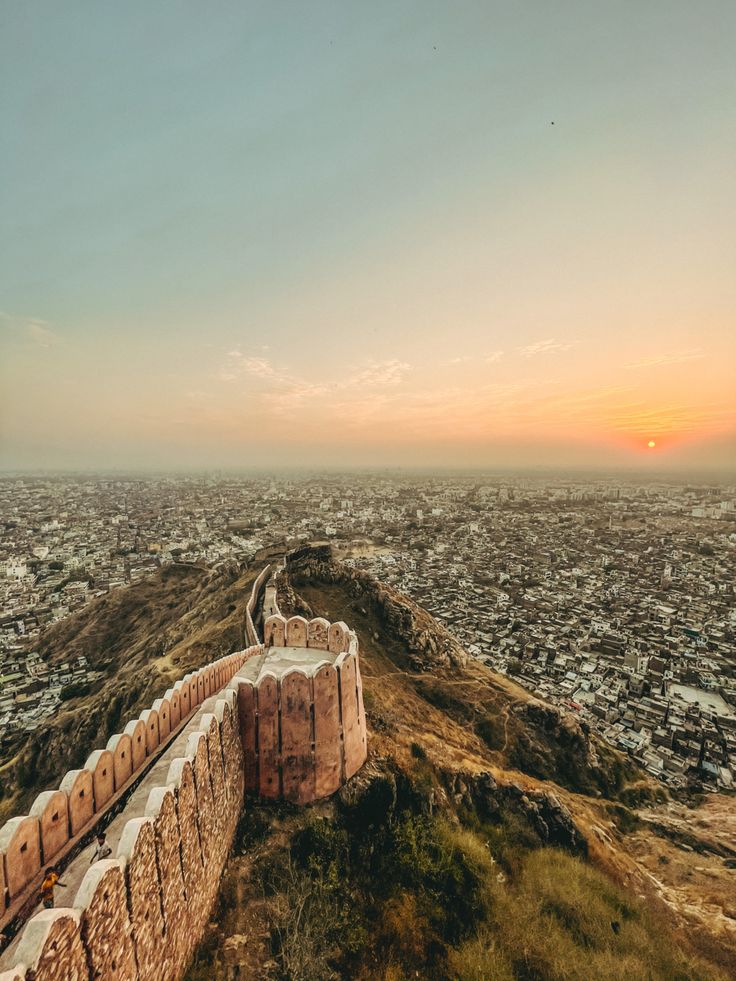
- Kumbhalgarh Fort with a 36 km wall
- Chittorgarh Fort, built on an Aravalli plateau
- Taragarh Fort (Ajmer)
- Neemrana Fort, integrated into the hillside
- Mehrangarh Fort (Jodhpur), geologically connected through the Aravalli extensions
The Aravallis stand not as relics but as a living geography connecting the heritage, ecology, and modern Indian life that is subtle and profound and must be protected, as once stripped off, these areas become vulnerable to mining, construction and fragmentation, leading to accelerating desertification and groundwater depletion.

Comments are closed.