

Highlights
- Intel may produce some future iPhone chips (non-Pro) using its advanced 18A node.
- Intel 18A delivers RibbonFET + PowerVia, promising better efficiency and density than prior nodes.
- Apple could reduce reliance on a single foundry by adding Intel to its chip-making options.
- If real, the tie-up may boost Intel’s foundry business and put pressure on other chip makers.
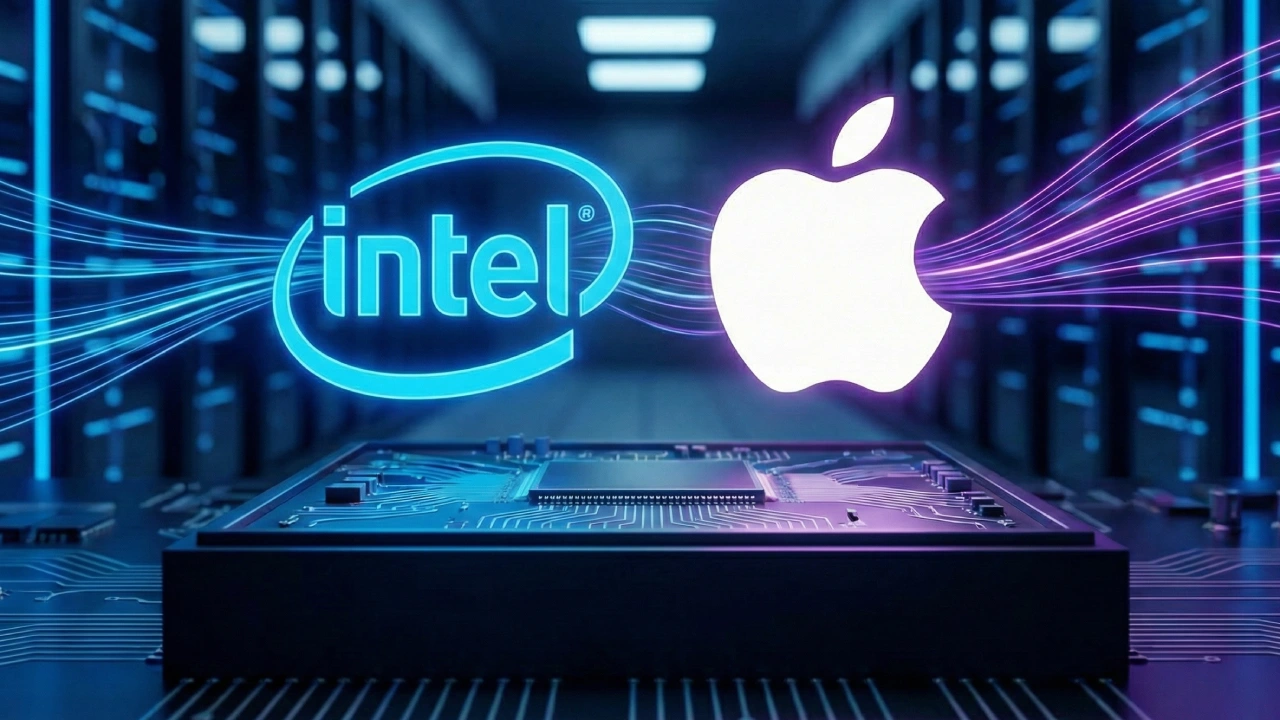
Intel iPhone Chips may soon become a reality as new reports suggest Apple could use Intel’s 18A process by 2028. According to a new report, Apple will be working with Intel to manufacture some of its new chips using Intel’s advanced 18A process technology.
Thanks to the partnership between Apple and Intel, Apple can manufacture its chips using Intel’s cutting-edge technology. By working closely together, Apple hopes to avoid the risks of relying solely on a single chip manufacturer. Intel will have an opportunity to demonstrate its advanced technology through this partnership with Apple.
The Future of Intel iPhone Chips and Apple’s Partnership
A new report has sparked renewed speculation about Apple and Intel working together again. But this time, things look very different from their past Mac partnership.
According to analyst Jeff Pu, Apple may let Intel manufacture some of its future iPhone chips around 2028. These chips could include the A22 chip expected for upcoming non-Pro iPhones.
This does not mean Intel will design the chips. Apple retains complete control over design. Intel’s job would only be to produce the chips inside its factories, using its new manufacturing tech.
Why Intel’s 18A Process Matters
The biggest reason this rumor is getting attention is Intel’s new 18A process node. Intel claims this is one of its most advanced and most competitive technologies in years.
Intel’s advanced 18A Process Technology was developed using a new class of transistors, the RibbonFET, and a backside power system, PowerVia. Both of these advancements increase the performance of chips built on the 18A process technology, reduce the energy consumption of chips, and enable additional functionality to be incorporated into smaller chip footprints than previously possible.
According to Intel, chips built on the 18A process technology can deliver approximately 25 percent better performance than chips built on its last central technology node. They can reduce power consumption by up to 36 percent, depending on chip configuration.
Another critical point is location. 18A is the first sub-2 nm class process available in North America. That gives companies like Apple a manufacturing option closer to home.
What the Rumor Actually Says
The report says Intel could supply chips for non-Pro iPhones. These devices usually ship in higher volumes and need more stable supply chains.
The rumored chip is the A22, which might power the future iPhone 20 or iPhone 20e series. But again, this is only contract manufacturing. Apple designs the chip. Intel fabricates it. This setup is very similar to how Apple works with TSMC today.
This also means that Apple still controls performance, security, and overall chip behavior.
Why Apple Might Consider Intel
In the past, Apple relied heavily on a single chipmaker. By establishing a relationship with another chipmaker, Apple will gain greater supply chain flexibility and reduce its risk in the event of a supply disruption.
Having an advanced foundry inside the US can help Apple diversify production. It also gives Apple more control over timelines and long-term planning.
With 18A, Intel is offering a process that can compete with those of top chipmakers. If Apple believes Intel can deliver stable yields, it opens up a significant new option for future devices.
Why Intel Needs This Deal
For Intel, working with Apple would be a big win. It would prove that its new foundry strategy is working. Intel had a tough time over the years competing with leading-edge chip manufacturers.
If Apple picks Intel to make iPhone chips, even if in small amounts initially, it sends a signal that Intel’s technology is getting back to being relevant again. This could help Intel attract more outside customers for its foundry business.
What Could Still Go Wrong
Right now, this is only a rumor. Neither Apple nor Intel has confirmed anything.
Switching foundries is not simple. Apple will need to test how Intel’s 18A process handles its custom chip designs. It will also need to check long-term reliability and manufacturing yields.
Even if the deal happens, it may cover only a portion of iPhone production. Non-Pro models seem more likely to get Intel-made chips, while Pro models might continue with Apple’s primary foundry partner.
What This Means for the Phone Market
If Intel becomes part of Apple’s supply chain, it would increase competition in advanced chip manufacturing. This might motivate all the foundries to ramp up their own product development to maintain progress and avoid losing the majority of their existing customers.

For Apple users, it might mean a more stable supply and possibly smoother launch cycles. For the industry, it shows how quickly chip technology and partnerships can shift.
Final Thoughts
If this occurs, the partnership would be a significant highlight for both companies.
The partnership could provide additional options for Apple and allow Intel to display its 18A technology to the market. The partnership has yet to be formally established, and many things have to fall into place.
However, if it does occur, it will change how future iPhone units are produced and where they are made.

Comments are closed.