
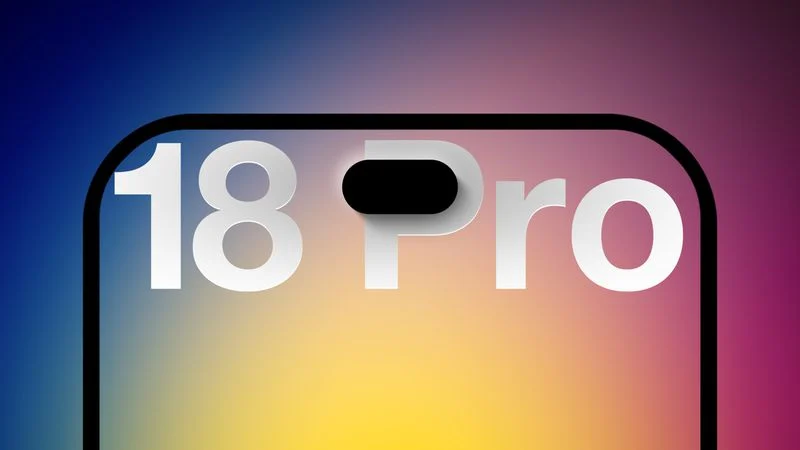

Since its debut on the iPhone 14 Pro in 2022, the Dynamic Island has been the polarizing centerpiece of Apple’s mobile design. While it successfully transformed a hardware “eyesore” into a software “feature,” users have long clamored for more screen real estate. According to a landmark report coinciding with the site’s 26th anniversary, the wait is almost over. The iPhone 18 Pro and Pro Max are officially set to debut a redesigned, significantly smaller Dynamic Island, marking the first time Apple has shrunken the cutout since its inception.
The primary hurdle in shrinking the Dynamic Island has always been the sheer volume of the TrueDepth camera system. For years, Apple has had to house a complex array of sensors including the infrared camera, flood illuminator, and dot projector within that black pill.
For the iPhone 18 Pro, Apple has reportedly achieved a long-awaited engineering milestone: moving the Face ID dot illuminator beneath the display. By utilizing a specialized “micro-transparent” glass panel, the infrared light can now pass through the OLED pixels without distortion. This allows the physical footprint of the cutout to be dramatically reduced while maintaining the high-security standards of Apple’s facial recognition. It’s a “stepping stone” technology that brings Apple one step closer to the ultimate goal of a completely uninterrupted glass slab.
35% Narrower: The New Visual Real Estate
How much smaller is “smaller”? According to leaked schematics and mockups from industry insider Ice Universethe reduction is not just incremental, it is transformative. The current Dynamic Island measures approximately 20.7mm in width. The iPhone 18 Pro’s redesigned island is tipped to shrink to roughly 13.5mm, a 35% reduction in width.
This change significantly reduces the “black bar” effect when watching wide-screen video content or playing games in landscape mode. By narrowing the island, Apple is also able to display more status icons in the “ears” of the display, potentially bringing back more permanent indicators for battery percentage, VPN status, and Bluetooth connectivity that were crowded out in previous generations.
Camera Miniaturization and the 24MP Upgrade
It isn’t just the Face ID sensors that are getting a makeover. The iPhone 18 Pro is also rumored to debut a new miniaturized camera module. Despite the smaller physical footprint, the front-facing camera is getting a massive resolution bump from the current 18MP found on the iPhone 17 to a 24-megapixel sensor.
This new lens array reportedly utilizes a hybrid “plastic-glass” stack that allows for better light intake while requiring less vertical depth. This helps Apple keep the iPhone 18 Pro from becoming excessively thick, even as they pack in larger batteries and a new variable aperture system for the rear cameras. The result is a front camera that is smaller in diameter but significantly more capable in low-light and high-dynamic-range (HDR) scenarios.
The “Island” Ecosystem: A Unified Design Language
What makes this redesign particularly fascinating is its timing. As reported earlier this week, the Dynamic Island is no longer exclusive to the iPhone. In 2026, Apple is expanding the feature to five different devices, including the new Touchscreen MacBook Pro and the iPhone Fold.
By shrinking the island on the 18 Pro, Apple is creating a hierarchy of “premium” design. The smaller, sleeker island will distinguish the top-tier Pro models from the standard iPhone 17 and the rumored budget MacBook, which will likely keep the larger, legacy island design for another year. This creates a clear visual incentive for users to “go Pro,” associating the smaller cutout with the absolute cutting edge of Apple’s under-display research.
The Road to the 20th Anniversary “All-Glass” iPhone
While the smaller Dynamic Island is a major win for 2026, analysts caution that this isn’t the final form. The “holy grail”, a phone with zero cutouts is still reportedly reserved for the 20th anniversary iPhone slated for 2027.
By choosing to shrink the island now rather than eliminating it entirely, Apple is playing a careful game of “slow-rolling” innovation. They are ensuring that the Face ID system remains 100% reliable under the current display technology before attempting to hide the selfie camera, which is significantly harder to place under pixels without losing image clarity. For now, the iPhone 18 Pro represents the perfect middle ground: more screen, less distraction, and a sleeker look that finally feels like the “Pro” evolution fans have been waiting for.

Comments are closed.