
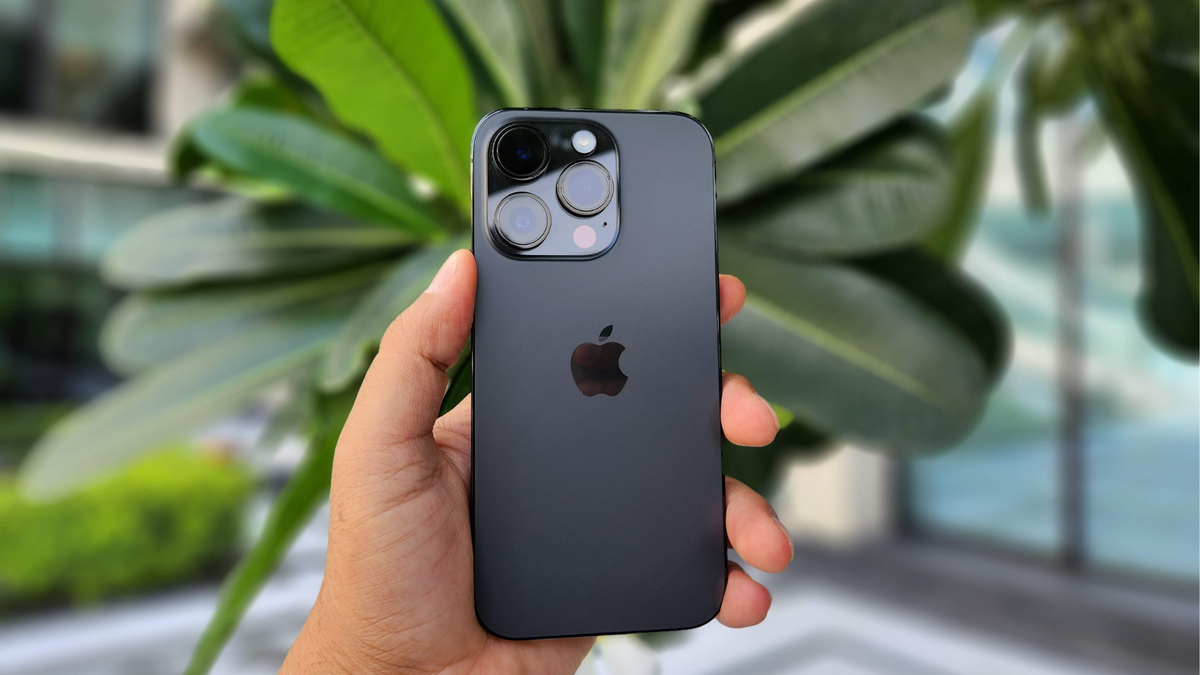

Buying an older iPhone in India is about to get noticeably more expensive. Popular models like the iPhone 15 and iPhone 16 are set to effectively cost around ₹5,000 more, as Apple Inc. plans to withdraw its demand generation (DG) support for retailers.
This move comes at a time when consumers typically look to older iPhone models for better value after new launches—making the timing particularly significant.
What Is DG Support and Why It Matters
Demand generation (DG) support is a behind-the-scenes incentive offered by brands to retailers and channel partners. It allows sellers to provide discounts without officially changing the maximum retail price (MRP).
For years, this strategy has helped keep iPhones competitively priced in India, especially in the mid-premium segment. Devices like the iPhone 15 and iPhone 16 benefited heavily from these backend subsidies, making them more accessible to price-sensitive buyers.
With DG support now being rolled back, retailers lose that pricing flexibility—meaning consumers will directly feel the impact in the form of higher effective prices.
The Double Blow: Cashback Cuts and Rising Prices
This isn’t the first recent hit to iPhone affordability. Earlier, Apple significantly reduced cashback offers—from ₹6,000 to just ₹1,000—making purchases less lucrative.
Now, with DG support also being withdrawn, the combined effect is a sharp increase in the real price consumers pay. Even though the official MRP remains unchanged, the disappearance of discounts and offers effectively raises the cost of ownership.
For many buyers waiting for price drops on older models, this could be a turning point.
Why Older iPhones Are Hit, Not the New Ones
Interestingly, this change does not impact the latest iPhone 17 lineup. The withdrawal of DG support is focused on sustaining or older models in Apple’s portfolio.
This aligns with Apple’s broader strategy: maintain premium positioning for its newest devices while gradually reducing promotional support for older ones. By doing so, the company nudges consumers toward newer launches without officially increasing prices.
It’s a subtle but powerful pricing shift.
Why Demand May Still Hold Strong
Despite the expected price increase, demand for iPhones in India may not take a significant hit in the short term. One key reason is the growing reliance on easy monthly instalments (EMIs).
Many consumers no longer evaluate smartphones purely on upfront cost. Instead, affordability is judged by monthly payouts, which often soften the psychological impact of a ₹5,000 hike.
Additionally, iPhones continue to enjoy strong brand appeal, resale value, and ecosystem loyalty—factors that help sustain demand even when prices inch upward.
A Wider Trend: Smartphones Are Getting Costlier
Apple’s move is part of a broader industry trend. Major Android players like Samsung Electronics, Xiaomi, Oppo, Vivo, Realme, Motorolaand Nothing have also been steadily increasing prices since late last year.
The primary reason? Rising component costs—especially memory and storage—which have significantly increased manufacturing expenses.
To protect margins, brands are shifting focus from aggressive sales volumes to profitability, even if it means selling fewer devices.
A Challenging Year Ahead for the Market
The Indian smartphone market is heading into a turbulent phase in 2026. A mix of global supply constraints, a volatile rupee, and persistent cost pressures is expected to weigh on growth.
Industry estimates suggest shipments could decline by 12–15% this year after a relatively flat 2025. Android devices are likely to face the biggest slowdown, while Apple’s iPhone lineup is expected to remain comparatively resilient, posting modest growth.
The Bottom Line
For consumers, the message is clear: the window for scoring a “good deal” on older iPhones is closing.
With fewer discounts, reduced cashback, and rising industry-wide prices, the era of aggressively priced premium smartphones may be fading—at least for now.
If you’ve been eyeing an older iPhone, waiting might no longer pay off.

Comments are closed.