
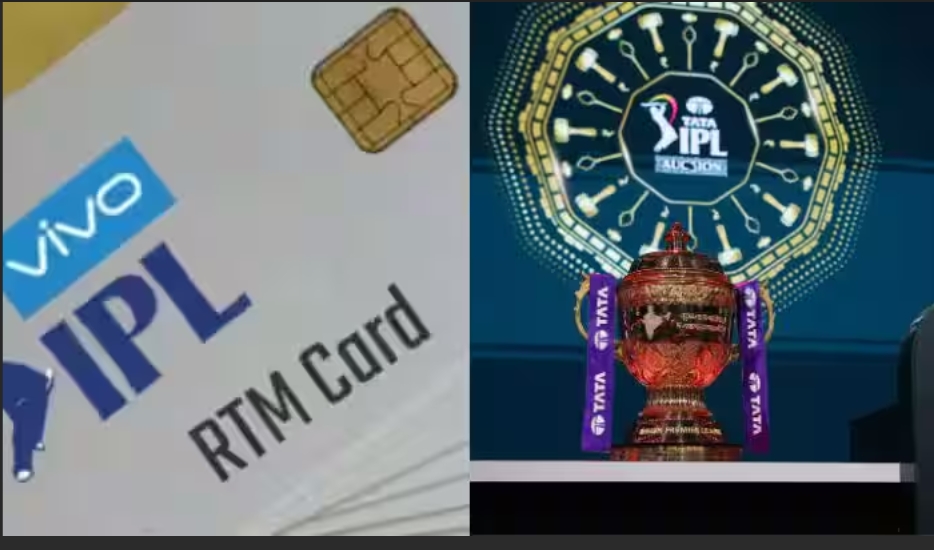

Ahead of the IPL 2026 mini-auction to be held on December 16 in Abu Dhabi, the IPL Governing Council has scrapped the use of Right to Match (RTM) cards in compliance with the rules set for the mini-auction.
This one-day event is being held after the 2025 mega-auction in Jeddah, due to which teams will now have to focus on improving the squad. The franchises had submitted retention lists by 15 November, with teams like Kolkata Knight Riders and Chennai Super Kings releasing players to make bigger purses (KKR: ₹64.3 crore; CSK: considerable funds), while other teams like Mumbai Indians preferred to maintain continuity with smaller budgets.
**What is RTM?** Introduced in the 2014 mega-auction and used in 2018, RTM allows teams to get back released players by making the highest bid. This did not exist after 2022 and is restricted to mega-auctions only, where limited retention (e.g., a maximum of 6 last year) is required to protect the core team.
In a mini-auction, RTM is not required due to unlimited retention before the auction—this would distort open bidding and weaken purse management. Without this, strategies emphasize proactive planning, aggressive bidding for targets such as Cameron Green, and value hunts into untapped talent.
The no-RTM rule increases uncertainty: released players are completely exposed to market forces, making competition tough. Teams with bigger purses control the tempo, while other teams make informed purchases. Salaries for foreign players are capped at ₹18 crore (less the highest retention slab or the peak of the previous mega-auction).
With 359 shortlisted players for 77 slots, the auction will be full of drama, intense competition and no safety net to rejoin the team.

Comments are closed.