
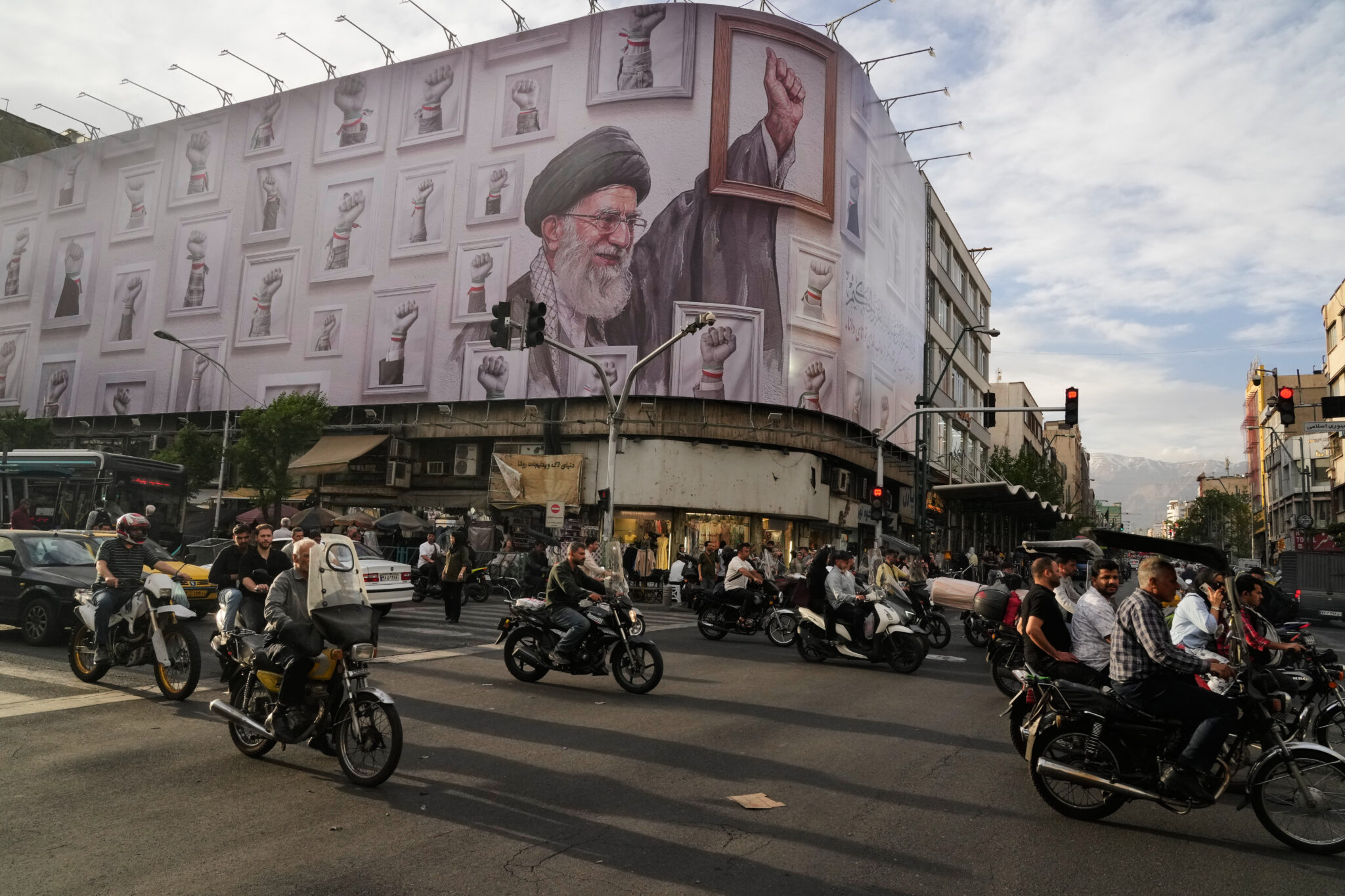

Iran Creates New Agency to Control Shipping in Strait of Hormuz/ TezzBuzz/ WASHINGTON/ J. Mansour/ Morning Edition/ Iran has created a new agency to control and tax ships passing through the Strait of Hormuz while reviewing U.S. proposals to end the war. The move has intensified concerns about global shipping disruptions and rising energy costs worldwide. Meanwhile, diplomatic efforts involving Pakistan, the Vatican and Gulf allies continue as hopes for a ceasefire agreement grow.

Iran Strait Of Hormuz Quick Looks
- Iran creates shipping authority for Hormuz transit
- Hundreds of ships remain trapped in Persian Gulf
- Trump pauses U.S. naval escort operation
- Pakistan says peace agreement may come soon
- Saudi Arabia reportedly refused support for U.S. operation
- Oil prices fall on renewed ceasefire hopes

Iran Expands Control Over Strait Of Hormuz Shipping
Iran has established a new government authority to regulate, approve and tax ships traveling through the Strait of Hormuz, escalating tensions surrounding one of the world’s most strategically important waterways.
The move comes as Tehran reviews fresh U.S. proposals aimed at ending the months-long conflict that has rattled energy markets and disrupted international trade.
According to shipping intelligence firm Lloyd’s List Intelligence, the new agency — called the Persian Gulf Strait Authority — is positioning itself as the central authority overseeing all vessel traffic through the narrow shipping route.
Global Trade Faces New Uncertainty
The Strait of Hormuz is one of the world’s busiest energy corridors, handling massive shipments of:
- Crude oil
- Natural gas
- Fertilizer
- Petroleum products
Since the war began, hundreds of commercial vessels have become trapped in the Persian Gulf as Iran tightened controls and the United States enforced blockades against Iranian ports.
The new Iranian authority reportedly requires:
- Transit approvals
- Vessel documentation
- Cargo reviews
- Payment of tolls for some shipments
Maritime law experts warn these actions may violate international law governing freedom of navigation.
Trump Administration Sends Mixed Signals
The administration of President Donald Trump has shifted strategies repeatedly in recent days.
After earlier announcing military operations were ending, Trump later threatened renewed bombing if Iran refused to accept a peace agreement.
The White House also temporarily suspended “Project Freedom,” a U.S. naval mission intended to escort commercial ships safely through the strait.
Trump said the pause would allow more time for negotiations.
Only two American-flagged ships reportedly completed passage under the short-lived escort operation before it was halted.
Pakistan has increasingly become a central diplomatic intermediary between Washington and Tehran.
Pakistani Foreign Ministry spokesperson Tahir Andrabi said Thursday:
“We expect an agreement sooner rather than later.”
Prime Minister Shehbaz Sharif confirmed his government remains in continuous contact with both sides in hopes of extending the fragile ceasefire and finalizing a broader settlement.
Saudi Arabia Distances Itself From US Military Plans
A Saudi official told reporters the kingdom declined to support the U.S. effort to force open the shipping lane.
According to the report:
The revelation highlights divisions among U.S. allies regarding military intervention in the Gulf.
Rubio Meets Pope Leo Amid Diplomatic Pressure
At the same time, Secretary of State Marco Rubio met with Pope Leo XIV at the Vatican to discuss Middle East peace efforts.
The meeting follows public disagreements between Trump and the pope over the Iran war.
Pope Leo has repeatedly called for:
- Peace negotiations
- Dialogue over military escalation
- Opposition to nuclear weapons
The Vatican continues advocating diplomacy while tensions between the White House and the pope remain unusually public.
Iran’s Leadership Remains Under Scrutiny
Iranian President Masoud Pezeshkian said he recently held an extended private meeting with Supreme Leader Mojtaba Khamenei.
Khamenei has remained largely hidden from public view since reportedly being wounded during the early weeks of the conflict.
Iranian officials say he continues overseeing negotiations with the United States despite his limited public appearances.
Markets React To Hopes For Peace
Financial markets responded positively Thursday as investors grew more optimistic about a possible settlement.
Brent crude prices:
- Fell toward $97 per barrel
- Dropped sharply from earlier highs above $115
Global stock markets also climbed on hopes the Strait of Hormuz could soon reopen fully to commercial traffic.
Still, uncertainty remains high as negotiations continue and military tensions linger across the region.
More on US News
Comments are closed.