
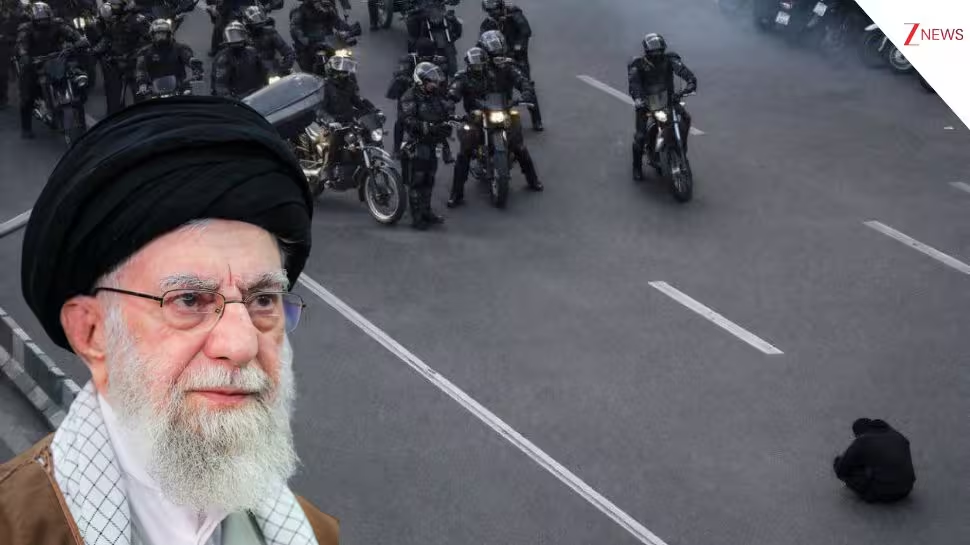

Iran is experiencing its largest uprising in over three decades. What began as protests against economic hardship has rapidly escalated into a major revolt against the government of Supreme Leader Ayatollah Ali Khamenei. Demonstrations have now spread to 21 provinces, causing unprecedented unrest across the country. The situation has become so volatile that the army has been deployed on the streets.
Protests began on December 28, with shopkeepers striking at Tehran’s Alaeddin Shopping Center and Grand Bazaar over real collapse and high prices. Strikes spread December 29–31 to Isfahan, Shiraz, etc., evolving into anti-regime chants.
Movement grew nationwide by December 30–31, with market closures, university joins, and clashes; Fasa governorate storming on Day 4 (Dec 31).
Add Zee News as a Preferred Source
Economic Crisis Fuels Protests
The protests are fueled by recession, soaring inflation, currency devaluation, deteriorating living conditions, and growing public discontent with the Islamic government. A major contributing factor is the continued decline of the Iranian currency, which has severely impacted daily life and intensified calls for political change.
Why Is Iran Struggling With Inflation?
The war with Israel and prolonged US sanctions have had a severe impact on Iran’s economy, particularly on the real. The value of one US dollar has now reached 1.4 million Iranian rials—an all-time low—with little expectation of stabilization in the near future. By contrast, in 2015, one dollar was equivalent to just 32,000 rials, meaning the currency’s value has plummeted approximately 40 to 45 times over the past decade.
This collapse has directly fueled inflation, which had reached nearly 50 percent by December 2025. Prices of food, milk, grains, and other essential commodities have increased by more than 70 percent compared to last year.
IRGC Targeted for the First Time
For the first time, protesters are directly targeting the Islamic Revolutionary Guard Corps (IRGC), Iran’s most powerful military and security force, which reports directly to Supreme Leader Khamenei and had largely remained untouched during previous protests. IRGC bases are being set on fire, and slogans openly targeting Khamenei and demanding his removal from power are being chanted in the streets.
Protesters storm government buildings
In the city of Fasa, protesters stormed a local government building, breaking down the gates of the Fasa Governorate office. Similar incidents have been reported in several other cities as public anger continues to mount.
Supreme Leader’s Statues Toppled
The anger toward Khamenei has reached such a level that his statues are being toppled. In Ardabil, protesters pulled down a statue of the Supreme Leader that had been erected just two days earlier.
Violence Escalates
The violence is intensifying, with at least six people killed in clashes between protesters and security forces in southwestern Iran.
Protests Involve All Ages and Classes
These are the largest protests in Iran since the hijab controversy, involving people across age groups and social classes. Demonstrators are now chanting slogans calling for the end of Supreme Leader Ayatollah Ali Khamenei’s rule and even demanding the return of the monarchy.

Comments are closed.