
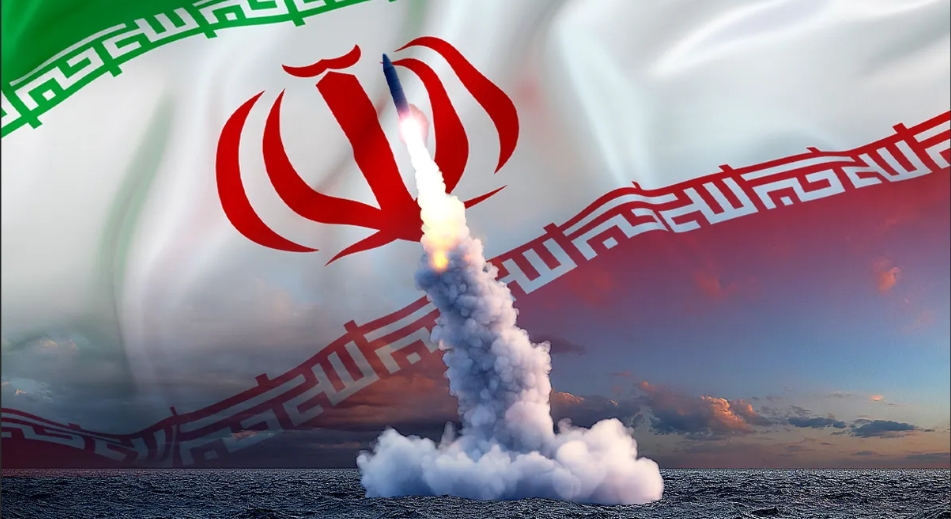

Iran’s President Masoud Pejeshkian warned Pakistan’s Prime Minister Shehbaz Sharif over phone on March 11, 2026, that without an international investigation into the US-Israel airstrike on Iran, global order and security could end, which has just started a war in the Middle East. Pejeshkian emphasized that Tehran is reluctant to target neighbors or escalate tensions in the region, and urged global organizations to focus on the root causes of the fighting – from Iran’s perspective, unprovoked attacks violate international law. This followed the assassination of Supreme Leader Ayatollah Ali Khamenei in a joint US-Israeli beheading attack on Tehran on February 28, 2026, in which his family and officials were also killed, following which Iran vowed to retaliate strongly.
Pakistan remained neutral and condemned the attacks, expressed solidarity with Iran and expressed condolences for Khamenei, while Sharif congratulated new Supreme Leader Mojtaba Khamenei. But, amid this tension, pressure on Islamabad is increasing. US President Donald Trump has demanded “unconditional surrender” from Iran, testing Pakistan’s new relationship with Washington over economic aid. Meanwhile, Iran’s ongoing drone and missile attacks have hit US bases and oil infrastructure in Saudi Arabia (e.g., Shayba Field, Ras Tanura Refinery) and other Gulf states, invoking Saudi Arabia’s September 2025 Strategic Mutual Defense Agreement with Pakistan. The agreement treats an attack against one as an attack against both, and could require Pakistani help if Riyadh uses it amid Iranian attacks on its assets.
Domestically, Pakistan faces the threat of sectarian unrest among its approximately 50 million Shia Muslims (20% of the 250 million population), with reports of protests in Shia-majority Gilgit-Baltistan following Khamenei’s death. Involvement in a US-Israel attack could lead to Pakistan deploying troops along its 560-mile-long border with Iran, while helping Saudi Arabia could incite internal violence. Analysts speculate that Islamabad may intensify operations against Tehreek-e-Taliban Pakistan (TTP) on the Afghan border to divert attention and justify non-involvement in the Gulf, and maintain weak neutrality amid economic vulnerabilities.
The crisis highlights Pakistan’s difficulties: balancing the US economic lifeline, the Saudi alliance and Iranian diplomacy to avoid direct entanglement.

Comments are closed.