
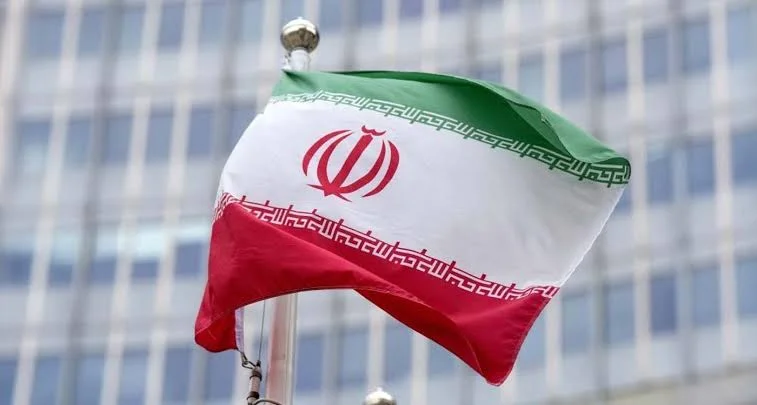
Iran lists red lines: Strait of Hormuz, war reparations, frozen assets and regional ceasefire in focus

Iran has formally forwarded its key proposals and non-negotiable red lines to Pakistani Prime Minister Shehbaz Sharif ahead of the high-stakes indirect talks in Islamabad.
According to Iranian state TV reporter in Islamabad on April 10, 2026, Tehran’s positions were clearly conveyed to the Pakistani leader as mediator between Iran and the United States.
Iran’s Main Red Lines
Iran’s core demands include:
– Full and secure Iranian control over the Strait of Hormuzwith safe passage guaranteed only under agreed conditions.
– Payment of war reparations by the US and its allies for damages caused during the conflict.
– Immediate release of all Iran’s blocked assets held abroad.
– A comprehensive ceasefire across the entire regionincluding Lebanon and other fronts involving Iran’s allies.
Why These Red Lines Matter
These points form the backbone of Iran’s 10-point proposal, which serves as the basis for the ongoing negotiations. Tehran insists that without addressing these issues, any long-term agreement will not be possible. The red lines reflect Iran’s determination to protect its sovereignty, economic interests, and regional influence after more than a month of intense US-Israeli military operations that began on February 28, 2026.
What Happens Next
The Iranian delegation is already in Islamabad, and formal indirect talks with the US side are scheduled to begin. Pakistan continues to play a central mediating role. Both sides are under pressure to turn the fragile two-week ceasefire which includes reopening the Strait of Hormuz into a more stable and lasting arrangement.
The coming days will show whether these red lines can be bridged or if they will become major obstacles in the diplomatic process.

Comments are closed.