
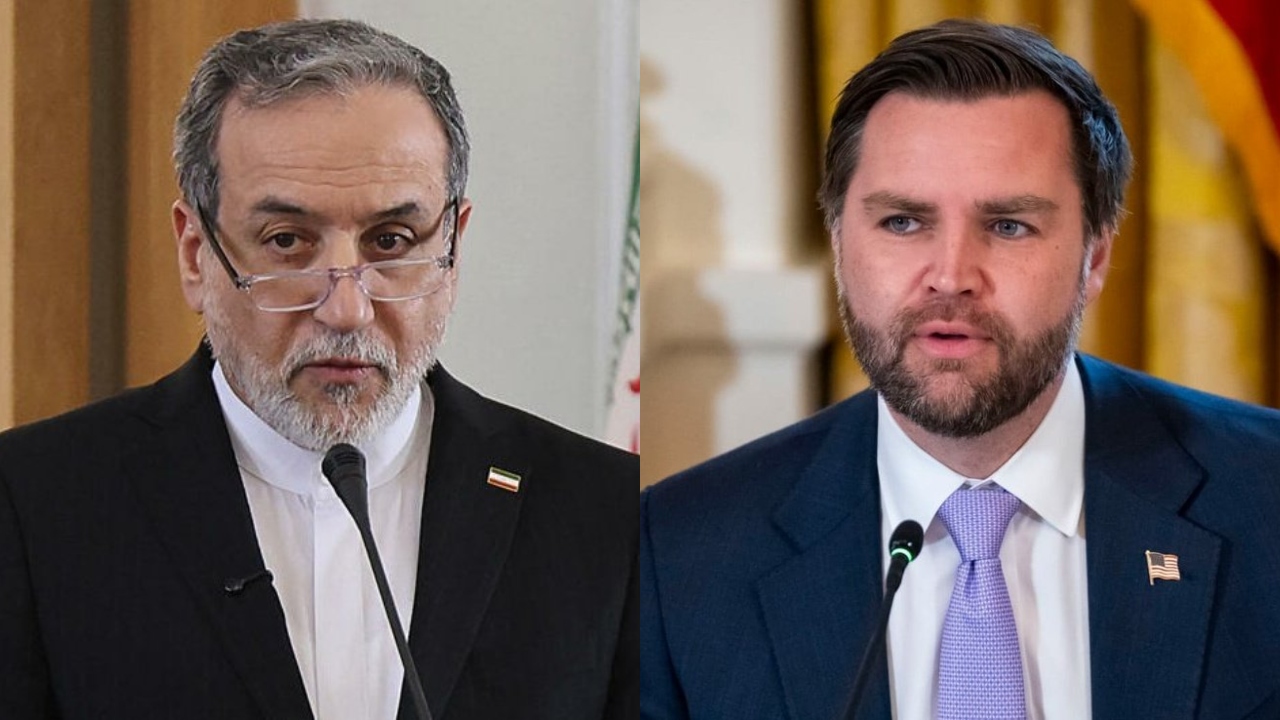

The talks between Iran and America in Islamabad on April 11, 2026 remained inconclusive. Whereas the longest meeting in history between the leaders of the two countries lasted for 21 hours. This is the reason why the talks concluded a day earlier were being counted among the longest and most complex processes of diplomacy. Diplomats and statesmen around the world hoped that a solution would be found to the years-old dispute (especially the nuclear program and economic sanctions). But despite long talks the result remained zero. Now, the question is why the deal could not be made despite so many efforts? There are many layers behind this, which it is important for everyone to know.
Why doesn’t the US trust Iran’s nuclear program?
The biggest controversy was regarding Iran’s nuclear program. America wanted Iran to limit uranium enrichment. Accept strict monitoring by international agencies. Iran kept repeatedly saying that its program was only for peaceful purposes, but due to past experiences and allegations and counter-allegations, trust could not be built between the two countries.
Why was there conflict over lifting the ban?
Iran’s primary demand was that America should first lift economic sanctions. So that its economy gets relief. On the other hand, America wanted Iran to first take concrete steps on nuclear activities. This deadlock of “who should move first” remained the biggest obstacle in the entire negotiation.
How did domestic politics affect the negotiations?
Internal politics of both the countries also became a big obstacle. There was pressure from the opposition on the government in America not to make any loose agreement with Iran. At the same time, fundamentalist groups in Iran were pressurizing the government to maintain a strict stance. In such an environment, it was politically risky for either side to compromise.
How difficult did the Regional Force make the deal?
The politics of the Middle East also overshadowed this conversation. Israel and the Gulf countries are deeply concerned about Iran’s nuclear program. America also had to take care of the security and strategic interests of these allies. This is the reason why he avoided showing leniency with Iran, due to which the talks became more complicated.
How big a reason was distrust of old agreements?
Iran’s confidence was lost due to America’s exit in 2018 after the 2015 nuclear deal. Iran feared that if it made any agreement again, America might break it again in the future. This distrust weakened the foundation of the New Deal.
Just a failure of negotiations or part of the strategy?
Experts in international politics say that this is not just a failure but can also be a strategic game. Both countries were using talks as a tool of pressure to further their respective interests. This means that not having a deal can also be a kind of strategy.
What next in Iran US war?
It remains uncertain even after the meeting held in Islamabad on 11 April. If trust between the two countries is not restored and political pressure is not reduced, then the chances of any concrete agreement in future will remain weak. However, in diplomacy the doors are not completely closed, so there is always the possibility of a new round of negotiations.
In such a situation, the failure of talks between Iran and America is not just a diplomatic incident, but reflects the complexity of distrust, balance of power and strategic interests in global politics.

Comments are closed.