
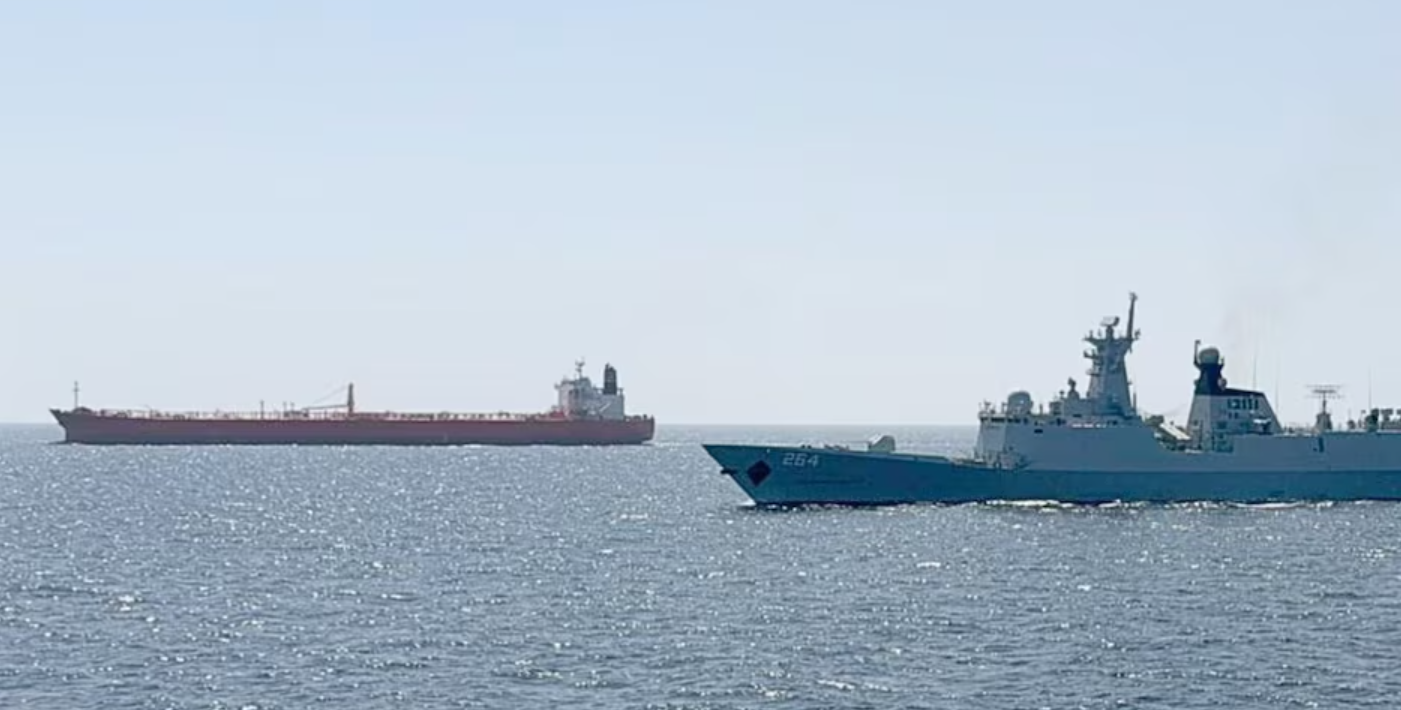

The global economy is facing renewed turbulence as the conflict in the Middle East intensifies, pushing oil prices higher and raising fears of a return to 1970s-style stagflation. Over the weekend, the economic outlook darkened when the U.S. and Israel continued military strikes against Iran, prompting Iran to keep the Strait of Hormuz nearly closed.
This strategic chokepoint channels around 20% of the world’s crude oil supply, and its disruption has fuelled concerns about prolonged energy shortages. With neither side showing signs of de-escalation, economists warn that a lengthy conflict could trigger a period of high inflation coupled with slow economic growth—a troubling combination known as stagflation, last experienced during the Iran-related energy shocks of the 1970s.
Economists Warn of Stagflation Risks Amid Rising Uncertainty
Several analysts emphasize that the U.S. is now confronting its second stagflation-like shock within a year. Sal Guatieri of BMO Capital Markets noted that the Iran conflict is likely to raise inflation, disrupt supply chains, weaken global demand, and shake business confidence. The labour market was already showing signs of strain, losing 92,000 jobs in February even before the war began. Rising oil prices are expected to push gasoline costs from around $3 to $4 per gallon, squeezing household incomes and damaging consumer spending. Pantheon Macroeconomics warned that higher fuel costs will further pressure the job market and disposable income.
However, economists at Deutsche Bank highlighted key differences between the current environment and the 1970s. The U.S. is now a major oil producer, and consumer expectations for long-term inflation remain better anchored, reducing the likelihood of a wage-price spiral. Still, the ultimate economic impact depends heavily on how long the conflict lasts. The Federal Reserve now faces a difficult balancing act: continue fighting inflation with high interest rates or cut rates to support a weakening labour market. Analysts expect a more divided Fed, increased policy uncertainty, and heightened market volatility. Despite rising oil prices, President Donald Trump expressed confidence that they would fall quickly once the Iran threat is neutralized. Some economists share cautious optimism, noting that oil futures remain relatively stable, with long-term prices around $75 per barrel. Oxford Economics forecasts minimal long-term damage to GDP and inflation—provided the conflict remains limited and concludes quickly.
Summary:
The Middle East conflict has pushed oil prices up and raised fears of 1970s-style stagflation, as supply disruptions and rising fuel costs strain the U.S. economy. Analysts warn of inflation, weaker jobs, and policy uncertainty, though some economists remain cautiously optimistic if the conflict ends quickly and oil markets stabilize.

Comments are closed.