
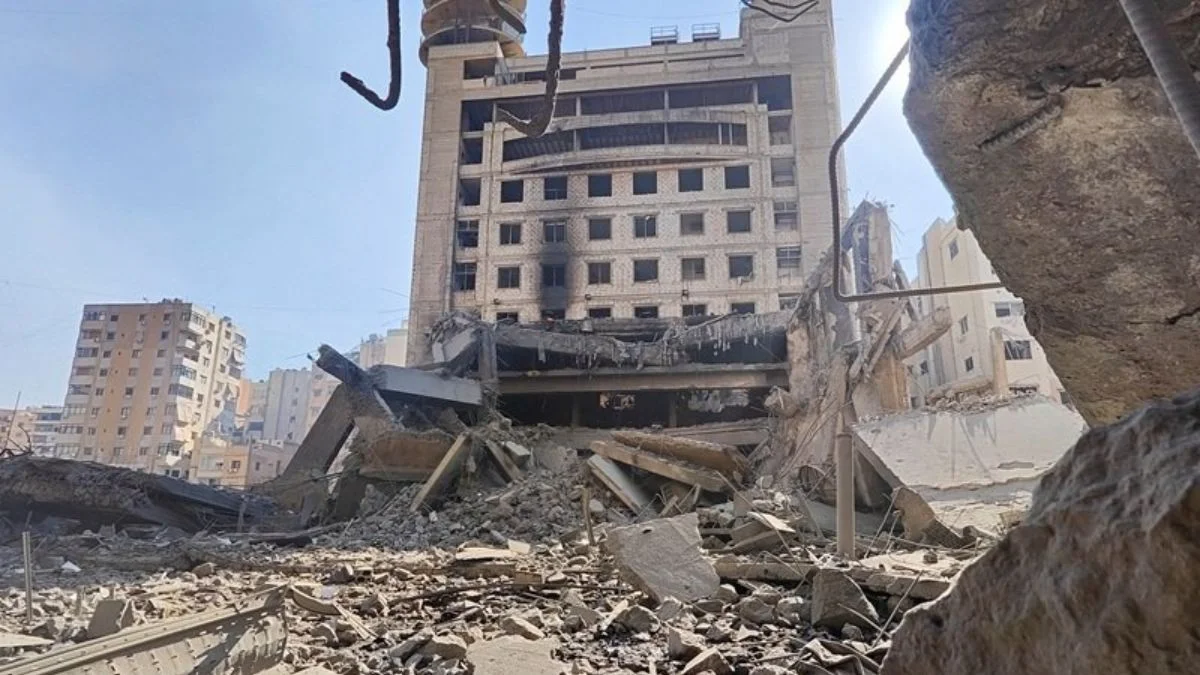

The ongoing war involving Iran may not last very long. Some experts believe the fighting could end within a few weeks. The main reason is simple. Weapons do not last forever.
A defense expert says military stockpiles could start running low if the war continues at the current pace. This could force leaders to look for a quick solution. The assessment comes from Evelyn Farkas, executive director at the McCain Institute. Her view was highlighted in a research note from Bank of America.
She believes pressure from the U.S. Congress and regional allies may also push for a faster end to the conflict.
Iran war could slow due to weapons shortages
Modern wars move fast. But they also use huge amounts of weapons every day. Missiles, drones, and other military systems require constant supply. According to analysts, these stockpiles could become a serious limitation. If the conflict keeps going for several weeks, supplies may begin to run tight.
Even though some countries have increased production, manufacturing new weapons takes time. Factories cannot replace complex systems overnight. Because of this, the pace of military operations may slow. Leaders may also face pressure to end the conflict before stockpiles are heavily drained.
Experts believe this could naturally limit how long the fighting continues.
Iran war may push higher U.S. defense spending
The conflict may also affect military spending in the United States. Analysts say the situation could increase support for extra defense funding.
Political disagreements in Washington still exist. However security threats often push lawmakers to approve additional military budgets. Some analysts say new funding could help move defense spending closer to the $1.5 trillion target proposed by President Donald Trump.
Current discussions around the U.S. defense budget have mentioned a base budget of around $1.1 trillion. Additional funding proposals have also been discussed in political negotiations.
Extra military spending could partly close the gap if emergency funding is approved during the conflict.
Iran war could reshape global power balance
The impact of the conflict may reach beyond the Middle East. Experts believe major global powers could also feel the effects. Russia and China both have ties with Iran. Because of that relationship, the conflict could create strategic problems for them.
However the situation is complex. Higher energy prices could benefit Russia since it exports large amounts of oil. China could face challenges instead because it has relied on Iranian oil supplies in the past.
Despite the tension, experts say a wider regional collapse is unlikely. Some attacks have hit civilian infrastructure in Gulf states, but the risk of full regional chaos remains relatively low for now.
Over the longer term, the balance of power in the region could shift. Iran’s influence might weaken while Israel and Gulf allies become stronger. Such a shift could allow the United States to slowly step back from the region. Arab countries may then need to invest more in their own defense systems.
The most likely outcome remains diplomacy. Experts believe the conflict may eventually lead to a new agreement between the United States and Iran.
Such a deal could focus on limiting Iran’s nuclear weapons capability and certain military systems. International monitoring would likely continue as part of the arrangement.
However there is also a risk that hardline forces inside Iran may reject negotiations. If that happens, the conflict could last longer than expected.

Comments are closed.