
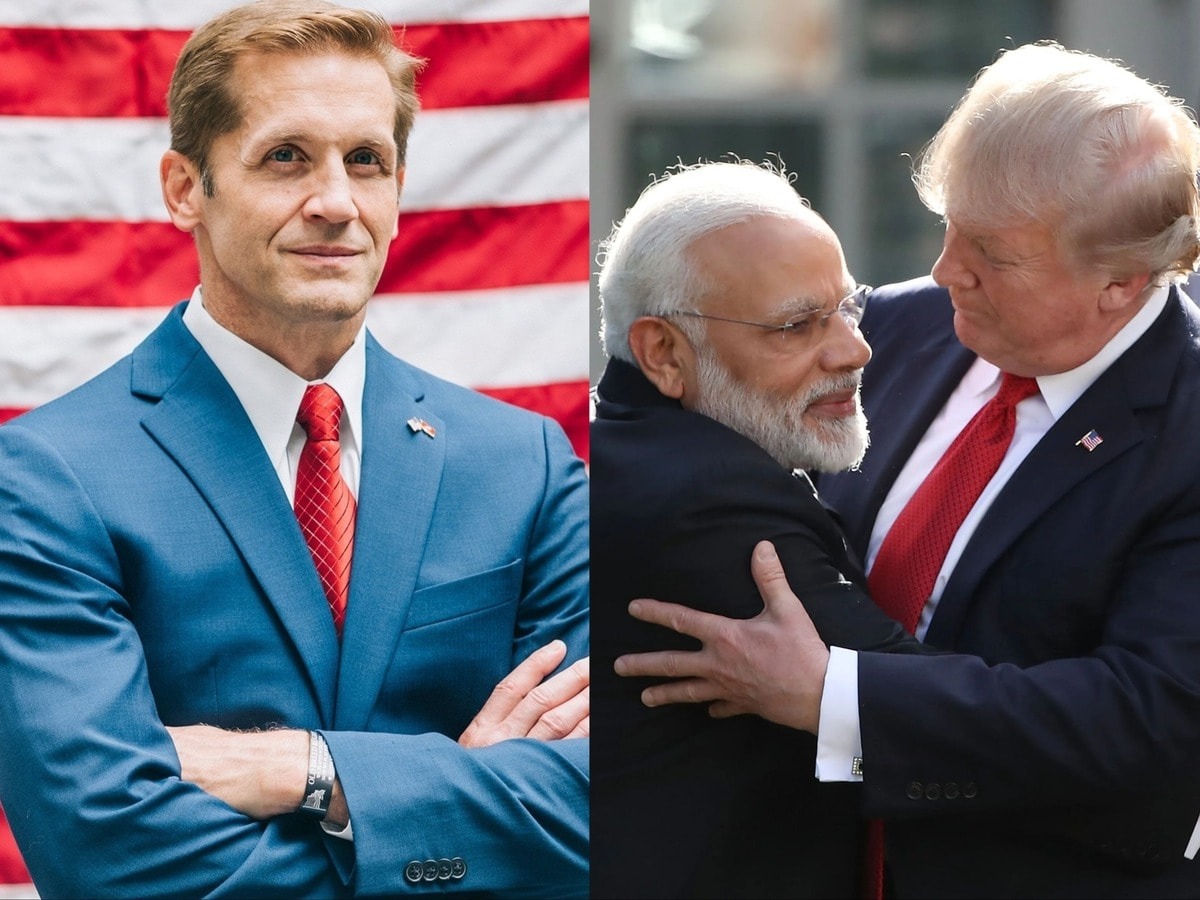

Global politics is shifting, and if you listen closely to the conversations happening in Washington, the tone regarding India has changed dramatically. It is no longer just about diplomatic pleasantries; it is about hard business and strategic survival. Recently, Republican Congressman Rich McCormick made some bold statements that have grabbed attention on both sides of the world. His message was clear: The US needs to bet big on India, and it needs to stop pretending that Pakistan is in the same league.
A Vote of Confidence for India
It is rare to see politicians speak with such candid enthusiasm about another country. McCormick didn’t hold back in his praise for India. He described the nation not just as an ally, but as a crucial partner for the future.
The core of his argument is simple: values. He pointed out that India shares the democratic spirit and the work ethic that America values. But it isn’t just about feelings; it’s about numbers. He sees India as a massive market and a powerhouse of talent that the US simply cannot ignore. When a Congressman pushes for stronger ties, he is essentially telling American businesses, “Go there, invest there, it’s safe.”
The Harsh Truth About Pakistan
While India got the flowers, Pakistan got the thorns. McCormick’s comparison of the two neighbors was sharp. He highlighted a sentiment that has been growing in DC for years—frustration.
He suggested that while India is surging ahead with technology and economic growth, Pakistan is bogged down by instability. For American policymakers, the patience for funding or supporting nations that don’t show “return on investment” (in terms of peace or progress) is running thin. The contrast he drew paints a picture of two nations heading in opposite directions, and he made it clear which one America should be walking with.
The “Tariff” Warning for Trump
Here is where things get interesting for the economy. We know that Donald Trump loves a good tariff. His “America First” policy often involves taxing imports to protect local industries. However, McCormick threw out a word of caution here.
He essentially warned that slapping high tariffs on Indian goods would be a mistake. Why? Because you don’t punish your friends. If the US wants India as a counter-balance to China, and if they want access to the Indian market, putting up trade barriers is counter-productive. He is advocating for a smoother trade relationship, urging the leadership to look at the bigger picture rather than short-term tax gains.
What This Means for You
For Indians watching this from home, this is a validation of the country’s growing influence. It shows that the narrative has shifted from India needing aid to India being a necessary partner for superpowers.
McCormick’s comments suggest that in the coming years, we might see fewer trade hurdles and more direct investment coming from the US. However, it also implies that the US expects India to step up on the global stage. As for the relationship with Pakistan, the gap seems to be widening, at least in the eyes of Washington’s decision-makers.
It is a complex game of chess, but for now, it seems the US knows exactly which piece is the King on this board.
Read More: Trade Wars and Real Talk : Is India the New Best Friend the US Can’t Afford to Lose?

Comments are closed.