

New Delhi: As winter’s grip eases across India, Makar Sankranti and Uttarayan light up the skies with kites, sweets, and sacred rituals, drawing families into a whirlwind of harvest joy and cosmic celebration. Falling on 14 January 2026, these festivals mark the sun’s northward journey, blending ancient astronomy with vibrant traditions—from Gujarat’s soaring patangs to Bihar’s steaming khichdi feasts. They symbolise light’s triumph over darkness, fostering unity as days grow longer and communities gather for tilgul exchanges and holy dips in rivers like the Ganga. Ahead of Makar Sankranti 2026, excitement builds for Uttarayan kite festivals and Pongal festivities, uniting north and south in gratitude for bountiful yields.
Though often mentioned together, Makar Sankranti pinpoints a single solar shift, while Uttarayan unfolds as a longer auspicious period—unpacking their unique vibes helps plan your 2026 festivities authentically. This guide explores their essence, rituals, and contrasts to inspire immersive experiences, whether sky-high kite battles or serene Surya Namaskar.
What is Makar Sankranti – the kite flying festival
Makar Sankranti heralds the sun’s entry into Capricorn (Makara rashi) on 14 January 2026, a pivotal harvest festival thanking deities for abundant crops. Farmers offer fresh grains amid holy baths at Ganga Sagar or Prayagraj, echoing Kumbh Mela energy, while sesame-jaggery sweets (til-gud) promise life’s sweetness and bonfires chase away winter’s chill.
Regionally, it transforms: Tamil Nadu’s Pongal overflows with rice pots symbolising prosperity, Punjab’s Maghi follows Lohri with feasts, and Assam previews Bihu dances—each alive with folk tunes, charity, and prayers. Spiritually, this punya kaal sparks yoga and meditation, as scriptures hail it for positive energies. In 2026, it unites millions in renewal.
What is Uttarayan – the festival harvest
Uttarayan spans the sun’s six-month northward path from Sagittarius to Cancer, starting near the December solstice but peaking around Makar Sankranti— a prolonged era of heightened spiritual potency and vitality. Vedic texts celebrate it as light’s victory, with longer days fuelling pilgrimages to Saputara or Shirdi.
Gujarat’s International Kite Festival from 10-14 January 2026 turns Ahmedabad skies into a patchwork of patangs, cheered with “bravo” calls amid undhiyu feasts and gangajal tilak rituals. Families exchange tilgul for harmony; saints like Gyaneshwar chose it for samadhi, urging sky-gazing and meditation. Maharashtra and Rajasthan join with bonfires, blending cosmic awe and community revelry.
Key differences between Makar Sankranti and Uttarayan
1. Specific Day vs Extended Period
Makar Sankranti centres on one precise date—14 January 2026—for harvest rituals and feasts, marking the solar ingress; Uttarayan covers months of northern sun movement, ideal for ongoing pilgrimages and yoga, offering sustained spiritual momentum beyond a single celebration.
2. Harvest Festival vs Astronomical Event
Makar Sankranti focuses on agrarian thanks with tilgul sweets, river snans, and Pongal rice across states, while Uttarayan emphasises cosmic light through Gujarat kite-flying symbolising soul freedom, lacking harvest ties but amplifying divine energy peaks.
3. Regional Naming vs Broader Scope
Known as Makar Sankranti in north/central India (Bihar’s Khichdi, UP donations) or Pedda Panduga south, it varies by locale; Uttarayan dominates Gujarat-Rajasthan kite mania and undhiyu, yet carries nationwide spiritual resonance without strict naming divides.
4. Ritual Emphasis vs Festive Energy
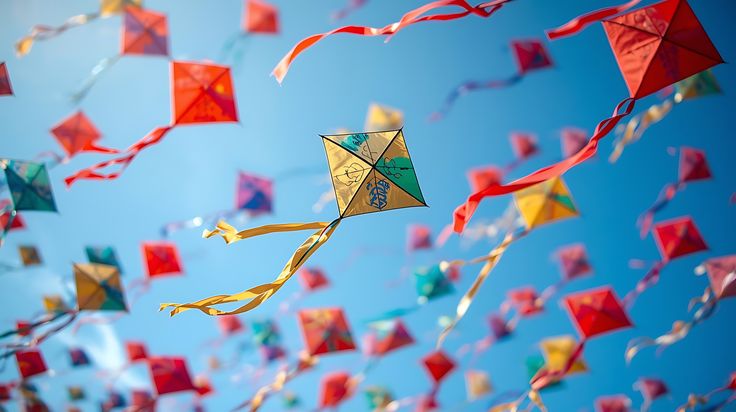
Makar Sankranti prioritises structured puja like Surya Namaskar and haldi-kumkum for renewal; Uttarayan leans into exuberant kite battles, bonfires, and lighter customs, creating a lively, ego-freeing community vibe over formal worship.
Embrace Makar Sankranti and Uttarayan 2026 by flying kites, sharing sweets, and saluting the sun’s northward stride—ushering prosperity and light into the year ahead.

Comments are closed.