
Is social media addiction a disease? Instagram chief presents a different view in court

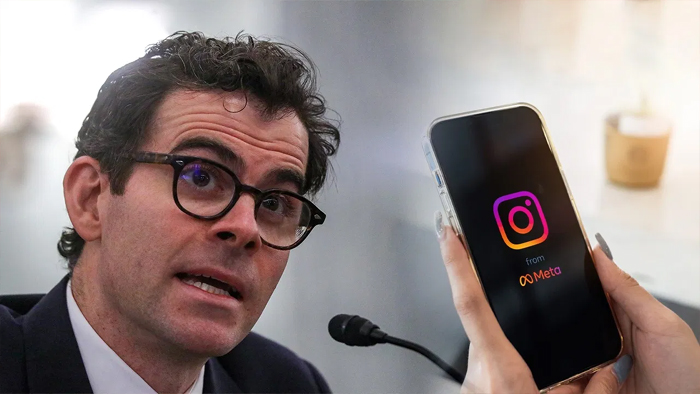
Desk: A major lawsuit is currently underway in Los Angeles against social media companies. During this hearing, Instagram chief Adam Mosseri told the court that he disagrees with the idea that people become clinically addicted to social media.
His statement comes at a time when many families are alleging that social media platforms are negatively impacting the mental health of children and adolescents. Meta (the company behind Instagram and Facebook) and Google’s YouTube are the main accused in this case. TikTok and Snap have already reached settlements. It is believed that this decision could impact thousands of such cases.
At the center of this case is a 20-year-old woman identified as KGM. Her cases, along with those of two others, have been selected as test cases. These cases will determine whose arguments the jury finds stronger. The family alleges that social media companies have created features and algorithms that keep children engaged on apps for extended periods of time. They say this is contributing to the rise in depression, anxiety, and other mental health issues among children.
In court, Mosseri stated that excessive use of a substance and medical addiction are two different things. He said many people spend excessive time on Instagram and subsequently feel bad, but calling it a disease is inappropriate. The plaintiff’s lawyer questioned his use of the term, citing an old interview. Mosseri responded that he previously used the term in casual conversation, but now he is more cautious.
The hearing also raised questions about Instagram’s beauty filters. It’s alleged that these filters alter faces in ways that could increase body dissatisfaction among young people and pressure them into plastic surgery. Meta banned third-party AR filters in January 2025. Some parents present in court became emotional over the issue, prompting the judge to urge them to remain calm.
Meta says it has added several new features to protect teens. However, critics claim that teen accounts based on research are still being suggested inappropriate sexual content and self-harm content. The company has called these allegations false and misleading.

Comments are closed.