
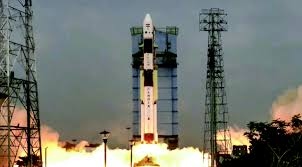

The 44.4-metre four-stage rocket lifted off at 10:18 am following a 22.5-hour countdown. Initial stages of the flight proceeded as planned, with the automatic launch sequence executed after mission director approval and real-time updates from ISRO scientists.
The anomaly occurred during the third stage (PS3), when strap-on motors provided thrust to propel the rocket toward its target altitude.
ISRO Chairman V. Narayanan reported disturbances in the vehicle and deviation from its flight path during this phase, preventing the satellites from reaching the planned orbit. As a result, all 16 satellites were lost, potentially drifting as space debris.
This failure marks the second consecutive PSLV mission setback during the third stage, following the May 2025 PSLV-C61/EOS-09 mission, which failed due to motor pressure issues and a drop in chamber pressure.
A former ISRO scientist noted that detailed data collection and analysis are underway to identify the root cause, with official findings expected soon. Narayanan emphasized that the PSLV’s four-stage configuration—two solid and two liquid stages—performed as expected up to the end of the third stage, after which the anomaly occurred.
During a press briefing, Narayanan explained that data from ground stations is being analyzed to understand the anomaly, and the agency will release findings once the investigation is complete. ISRO described the third-stage disturbance as the main factor causing deviation from the expected flight path.
Former ISRO Chairman S. Somanath had previously highlighted the challenges in developing the third-stage solid motor, which has faced multiple failures. He had described such setbacks as “formidable tutors,” emphasizing that failure provides lessons for future improvements.

Comments are closed.