
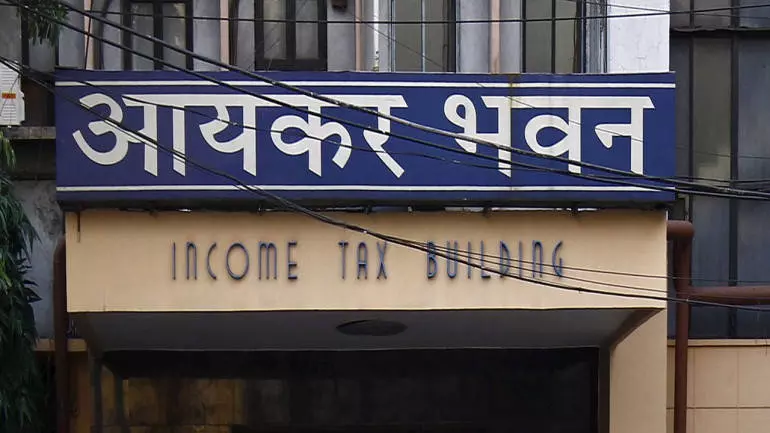

In a move aimed at enhancing transparency in electoral disclosures, the Income Tax (I-T) Department has rolled out a Standard Operating Procedure (SOP) for verifying assets and financial details declared by candidates in their election affidavits, but only after the declaration of election results.
The move comes amid proceedings in the Madras High Court related to a petition against Tamil Nadu Deputy Chief Minister Udhayanidhi Stalin.
A voter from the Chepauk-Thiruvallikeni constituency, R Kumaravel, filed a petition highlighting alleged discrepancies between Udhayanidhi Stalin’s 2021 and 2026 Assembly election affidavits.
Key issues
The key issues raised in the petition include an investment of Rs 7.36 crore in Red Giant Movies Pvt. Ltd. declared in 2021 that did not appear in the 2026 filing. A new declaration of Rs 2.63 crore investment in the same company under his spouse’s name. Variations in loan and liability disclosures (e.g., Rs 10 crore in loans in 2026 against Rs 11.06 crore liabilities in 2021, with company records showing higher borrowings).
Also read: TVK chief Vijay under lens again after conflicting poll affidavits
On April 15, 2026, the Madras High Court directed the Income Tax Department to submit a preliminary report. In its counter-affidavit filed this week, the department flagged these inconsistencies but noted challenges in full reconciliation due to the nature of IT-R filings and missing documents.
During the hearing, Additional Solicitor General A R L Sundaresan informed the bench, comprising Chief Justice Sushrut Arvind Dharmadhikari and Justice G. Arul Murugan, about the newly issued SOP, underlining that such verifications would now follow a structured protocol post-results.
This marks the first time such a proactive department-driven verification process for election affidavits has been formalised at a national level. Previously, scrutiny of candidates’ self-declared assets relied largely on complaints, petitions, or sporadic probes, with limited systematic follow-up by tax authorities during or immediately before polls.
Key features of the new SOP
The new SOP includes a post-result timeline, where the verification begins only after election results are declared, ensuring it does not interfere with the ongoing electoral process.
Also read: TN elections: Udhayanidhi’s income plummets while wife Kiruthiga’s assets soar
The SOP also mandates that the departments must complete the verification exercise within 150 days (extendable under certain conditions). The Central Board of Direct Taxes (CBDT) has also issued detailed guidelines outlining the methodology for cross-checking affidavits with Income Tax returns, corporate filings, and other financial records.
Why does this matter?
Candidates in India must file affidavits with the Election Commission detailing their assets, liabilities, income, and criminal cases. However, these are self-declared, and independent verification has historically been weak. Discrepancies often surface only through public interest litigation or opposition complaints.
Also read: TN polls: Vijay isn’t the richest candidate; here’s who is
The new SOP represents a step towards institutional accountability.
‘A welcome move’
Welcoming the move, Jayaram Venkatesan of Arappor Iyakkama prominent anti-corruption organisation, said, “Earlier, scrutiny of candidates’ asset details was possible only if someone filed a case and obtained a court order. But now, the Income Tax Department is proactively examining the details of all candidates, which is a welcome move. It is an important step, but I believe this verification must be carried out without any political bias.”
Venkatesan added that while the initiative is a major step forward, its success will depend on impartial implementation free from political influence.

Comments are closed.