
Japanese Encephalitis: This disease is more dangerous than dengue and malaria! Mosquito bites can cause swelling of the brain

Japanese Encephalitis Treatment and Diagnosis: With the arrival of monsoons, the weather becomes pleasant, but with it, the danger of mosquitoes also increases rapidly. Most people are aware of mosquito-borne diseases like dengue and malaria, but few know that some mosquitoes also transmit viruses that can directly affect the brain. One such serious disease is Japanese encephalitis. While the disease is not as common as dengue, in severe cases, it can prove fatal and can even cause lifelong neurological problems for the patient.
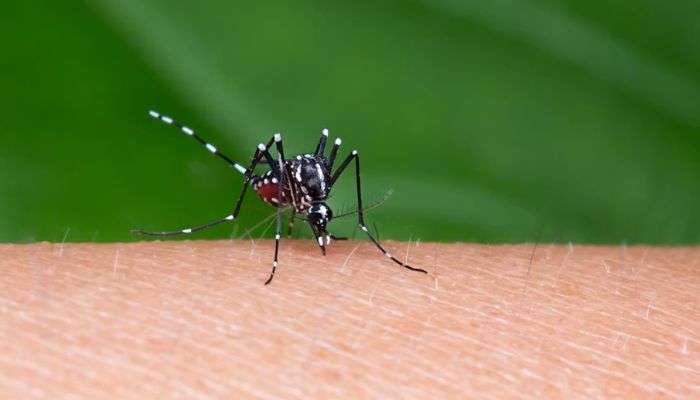
The disease is caused by the Japanese encephalitis virus, a member of the flavivirus family, which is in the same family as dengue and West Nile virus. The virus is spread by the bite of infected Culex mosquitoes. These mosquitoes usually breed in paddy fields, ponds, wetlands and standing water after rains. Unlike the mosquitoes that transmit dengue, Culex mosquitoes are most active from dusk to dawn.
How does encephalitis occur
?Dr. Neurology Specialist at Fortis Hospital, Mohali. According to Ishank Goyal, the virus first enters the bloodstream and then crosses the blood-brain barrier to reach the brain. This then causes inflammation of the brain, medically known as encephalitis.
How many cases of this are reported every year?
According to the World Health Organization, approximately 68,000 cases of Japanese encephalitis are reported worldwide each year. Southeast Asia and the Western Pacific are the most affected regions. Cases are also reported annually in India, and children are considered to be most at risk. Experts say children under 15, people living in rural areas, farmers working in paddy fields and unvaccinated tourists are at higher risk of infection.
What are its early symptoms?
The disease may begin as a simple viral infection. Initially, symptoms include fever, headache, vomiting, fatigue and weakness. However, if the virus reaches the brain, patients may develop more severe symptoms, including high fever, confusion, loss of consciousness, seizures, neck stiffness, difficulty walking, and loss of consciousness. In such cases, immediate hospitalization is required. Doctors say that CT scan alone cannot always diagnose the disease. If necessary, MRI and blood or cerebrospinal fluid tests are used to confirm the diagnosis.
Is there a cure for this?
There is no specific treatment for Japanese encephalitis. Treatment focuses on stabilizing the patient’s condition and managing complications. Therefore, prevention is considered the most effective approach.
Comments are closed.