
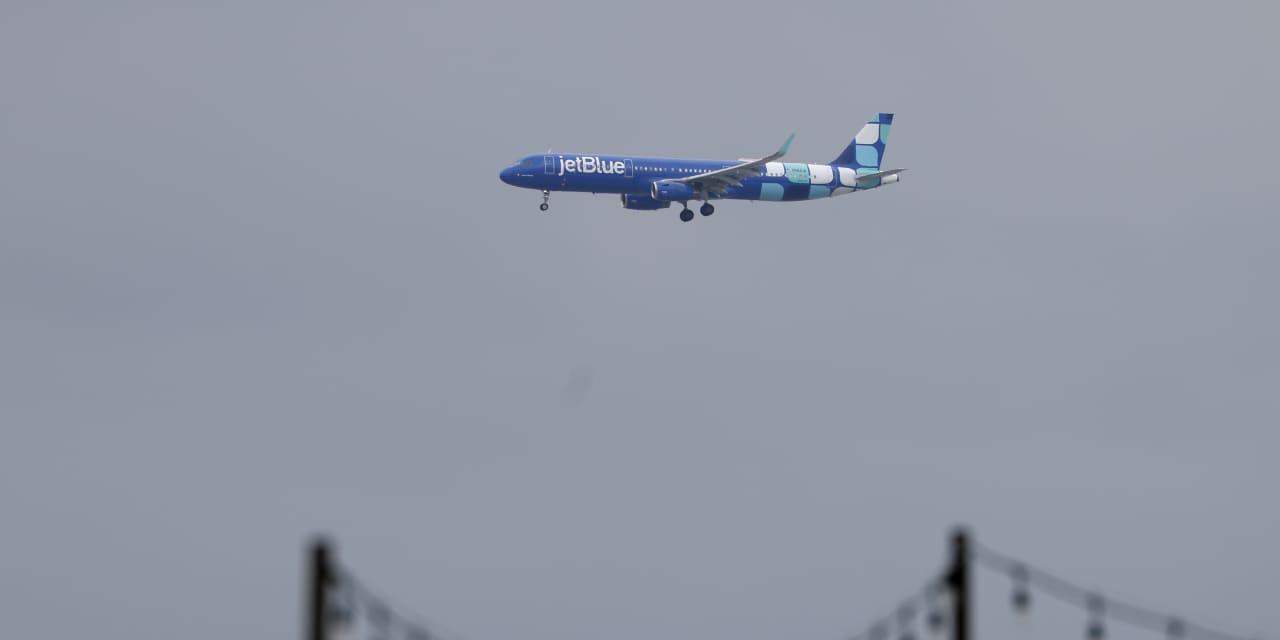

A recent social media exchange put JetBlue under scrutiny. The issue: whether the airline uses “surveillance pricing,” a method where companies adjust prices based on personal data such as location, browsing history, or income level.
The concern began with a simple complaint. A traveler noticed a $230 jump in a ticket price within a day. When JetBlue replied, it suggested clearing cache and cookies or using an incognito window. That response set off alarm bells. Many readers took it as proof that personal data might influence ticket prices.
JetBlue later deleted the reply and called it a mistake. The company said fares are not based on personal data. Instead, it pointed to standard airline pricing models. Prices, it said, change in real time based on seat availability and demand. Once a ticket sells or demand shifts, the price can move up or down. This is common across the airline industry.
That explanation fits what most airlines do. Pricing systems track how many seats remain, how close the flight date is, and how quickly tickets are selling. As seats fill, prices tend to rise. If demand slows, prices may drop. This is known as dynamic pricing, and it has been in use for decades.
Still, the confusion around JetBlue’s reply did not come out of nowhere. Many companies now use data to fine-tune prices. The idea of surveillance pricing has gained attention because it feels personal. If two people see different prices for the same product, trust breaks down.
How JetBlue and Others are Redefining Surveillance Pricing?
Other companies have added to that concern. Delta Air Lines said it planned to use artificial intelligence to help set ticket prices, though it later softened those comments. Instacart has faced reports of showing different prices to different users.
Uber already uses surge pricing, which can raise fares during high demand. Some reports have suggested the app may factor in user behavior, though the company has not confirmed such practices in detail.
These examples blur the line between dynamic pricing and surveillance pricing. Dynamic pricing responds to market conditions. Surveillance pricing responds to the individual. The difference matters. One adjusts for supply and demand. The other aims to find the highest price a specific person will pay.
Lawmakers have started to take notice. Ruben Gallego has voiced support for a ban on surveillance pricing. Several states are also looking at rules that would limit how companies use personal data in pricing. In some places, businesses must disclose when algorithms set prices.
The media industry has also stepped into this space. The Washington Post recently told subscribers that an algorithm would determine their rates. That kind of transparency is still rare. Most companies do not explain how their pricing systems work.
Retail may be the next battleground. Walmart and others are rolling out digital shelf labels. These systems allow stores to change prices across thousands of items in seconds. While companies say this improves efficiency, critics worry it could enable rapid price shifts that favor the seller.
There is also concern about future tools. Facial recognition and in-store tracking could, in theory, link a shopper’s identity to past purchases or online behavior. That data could then shape prices in real time. There is no solid proof that major retailers are doing this today, but the technology exists.
Trust, Data, and the Future of Dynamic Pricing
For now, JetBlue’s case seems to be a mix of poor communication and public mistrust. The airline denies using personal data for pricing, and there is no clear evidence to the contrary. At the same time, the reaction shows how sensitive people are to the idea of being profiled for prices.
The bigger story is not about one airline. It is about how pricing is changing across industries. As companies gather more data, the temptation to use it grows. Consumers, in turn, want fairness and clarity.
That tension is not going away. Businesses will keep refining their pricing systems. Regulators will push for limits. And customers will keep asking a simple question: am I paying more than someone else for the same thing?

Comments are closed.