
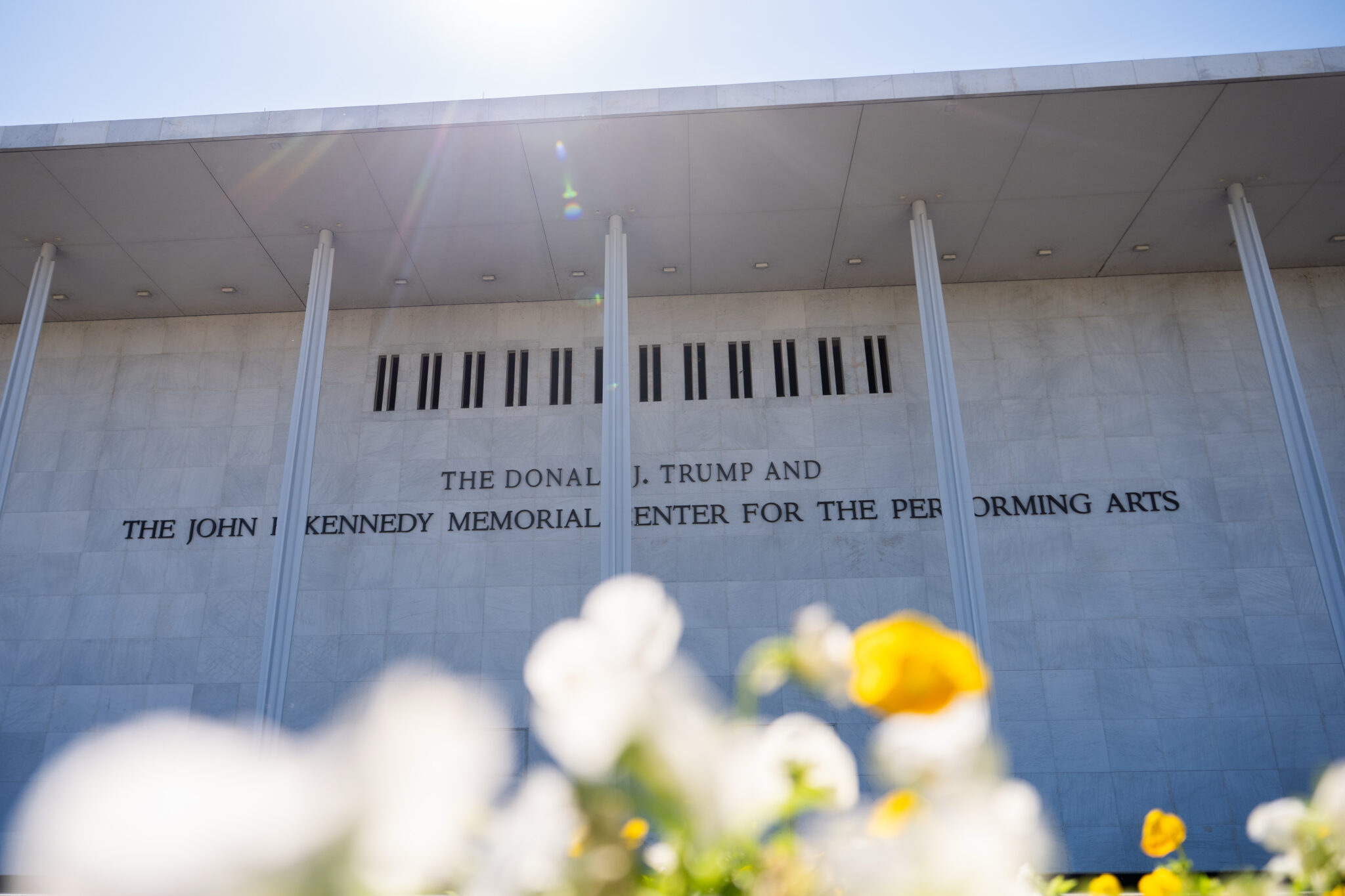

Judge Upholds Order Removing Trump’s Name from Kennedy Center/ TezzBuzz/ WASHINGTON/ J. Mansour/ Morning Edition/ A federal judge denied the Kennedy Center’s request to pause an order requiring President Donald Trump’s name to be removed from the iconic arts venue. The ruling reinforces an earlier decision that only Congress can authorize changes to the Kennedy Center’s official name. References to Trump have already begun disappearing from the center’s website, documents and communications.
Trump Kennedy Center Name Removal Quick Looks
- Judge denied the Kennedy Center’s emergency request.
- Trump’s name must be removed from the building.
- The court ruled only Congress can change the center’s name.
- References to Trump have already been removed online.
- Internal documents now use the original Kennedy Center name.
- The board mounted a last-minute legal challenge.
- Judge Christopher Cooper refused to delay his order.
- Trump became chairman after replacing Kennedy Center leadership.
- The court previously blocked major renovation plans.
- The legal dispute highlights tensions over political influence at the arts venue.
A federal judge has rejected a last-minute effort by the Kennedy Center to keep President Donald Trump’s name attached to the nation’s premier performing arts venue, reaffirming an earlier ruling that ordered the removal of all references to him from the institution.
The decision marks another legal setback for Trump’s allies at the Kennedy Center and reinforces the court’s position that changes to the facility’s official name can only be authorized by Congress.
The ruling means the center must continue removing Trump’s name from its property, communications and public-facing materials.
Court Reaffirms Earlier Decision
U.S. District Judge Christopher Cooper denied the Kennedy Center’s request to pause enforcement of his earlier order while legal appeals continue.
Last month, Cooper ruled that the addition of Trump’s name to the institution violated federal law because Congress alone has the authority to determine the official name of the nationally recognized cultural landmark.
As part of that ruling, Cooper ordered references to Trump to be removed by Friday.
Late Thursday, attorneys representing the Kennedy Center’s current leadership sought emergency relief in an effort to preserve the name temporarily, but the judge declined to intervene.
Trump’s Name Already Being Removed
The impact of Cooper’s order is already visible across the institution.
The Kennedy Center’s website has removed references to Trump, and official communications have begun reverting to the venue’s original designation.
A June 4 memorandum issued by the Kennedy Center’s Office of General Counsel instructed employees that official documents, letterhead, email signatures and other communications must use either:
- The John F. Kennedy Center for the Performing Arts
- Kennedy Center
The directive was designed to ensure compliance with the court order while legal proceedings continue.
Marketing Materials Reflect The Change
Evidence of the transition has also appeared in public communications.
An email sent to patrons promoting ticket packages for the upcoming Mark Twain Award for American Humor ceremony was distributed under the Kennedy Center name without mentioning Trump.
The adjustment signals that administrators have begun implementing the court’s directives despite ongoing legal objections from the center’s current leadership.
Observers say the changes indicate that compliance efforts are already well underway.
Trump’s Influence Over The Institution
The dispute stems from dramatic leadership changes implemented shortly after Trump returned to office for his second term.
After largely ignoring the Kennedy Center during his first administration, Trump moved quickly to reshape the organization after returning to the White House.
Within weeks, he removed existing leadership and installed a new board of trustees aligned with his administration.
That board later named Trump chairman, giving him unprecedented influence over one of America’s most prominent cultural institutions.
Supporters viewed the move as an effort to reform the organization, while critics argued it politicized an institution traditionally insulated from partisan control.
Legal Questions Over Naming Authority
At the heart of the case is a dispute over who possesses authority to alter the official name of the Kennedy Center.
Judge Cooper concluded that Congress established the institution through federal law and therefore retains sole authority over any changes to its name.
The court found that neither the administration nor the board of trustees had the legal authority to add Trump’s name to the building.
By refusing to stay his earlier order, Cooper reinforced that interpretation and indicated that challengers failed to provide sufficient justification for delaying enforcement.
Renovation Plans Also Blocked
The naming controversy is only one part of a broader legal battle involving the future of the Kennedy Center.
In his earlier ruling, Cooper also blocked plans by the Trump administration to temporarily close the venue for major renovations.
The proposed project was scheduled to begin in July and would have lasted approximately two years.
Critics argued that the closure would significantly disrupt cultural programming and alter the institution’s mission.
The court’s intervention preserved operations while legal questions surrounding governance and authority continue to be addressed.
Political And Cultural Debate Continues
The Kennedy Center dispute has become a symbol of broader debates over politics, public institutions and cultural influence.
Supporters of the administration argue that elected leaders should have greater authority over federally supported institutions.
Opponents contend that cultural organizations must remain independent and protected from political branding efforts.
The legal fight over Trump’s name has intensified those arguments and drawn national attention to governance issues rarely associated with performing arts organizations.
What Happens Next
Although the Kennedy Center may continue pursuing appeals, Judge Cooper’s latest decision means the removal process will move forward immediately.
For now, official materials will continue using the original Kennedy Center designation, and Trump’s name will remain absent from the institution’s branding.
The case could still advance through higher courts, but the judge’s ruling ensures that the center will operate under its historic identity while the legal battle continues.
As the dispute unfolds, the Kennedy Center remains at the center of a larger conversation about presidential influence, congressional authority and the role of America’s cultural institutions.
More on US News
Comments are closed.