

New Delhi, Apr 10:
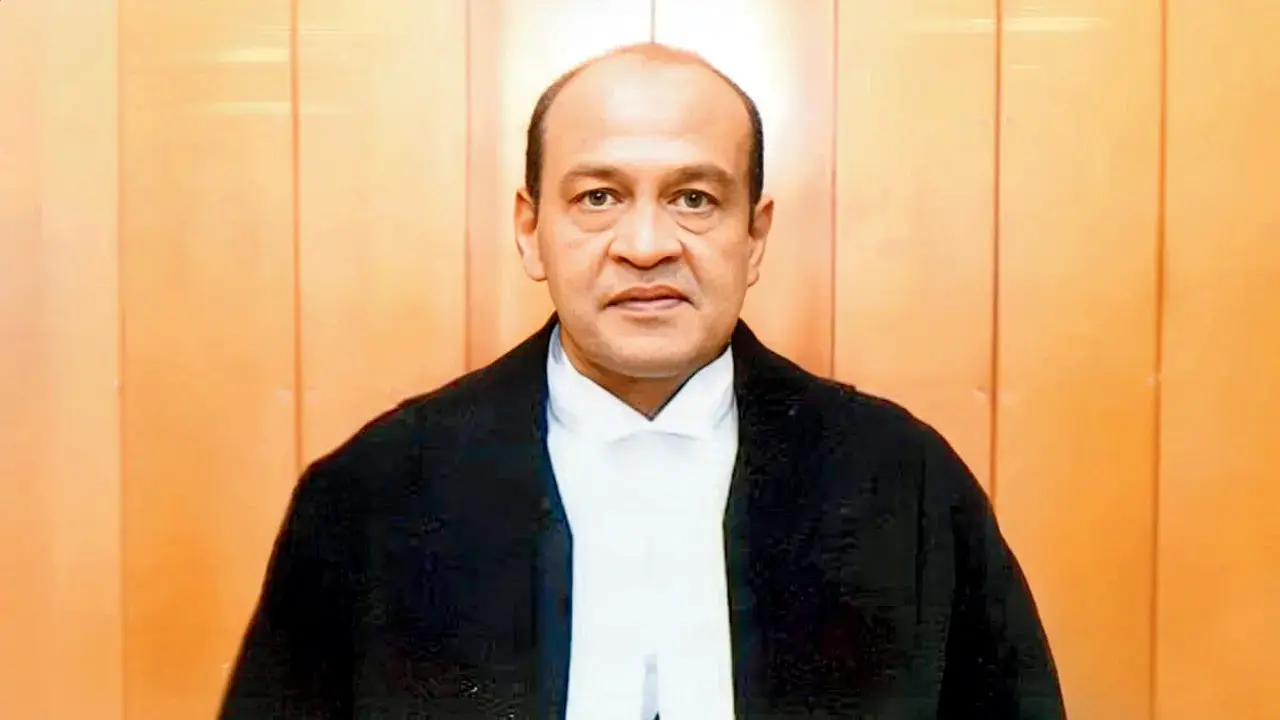
Justice Yashwant Varma of the Allahabad High Court has tendered his resignation with immediate effect to President Droupadi Murmu, bringing an abrupt end to his tenure amid ongoing impeachment proceedings.
In his letter, Justice Varma said, “I do not propose to burden your august office with the reasons which have constrained me to submit this missive,” adding that “it is with deep anguish” that he was stepping down from the office of a Judge of the High Court of Judicature at Allahabad.
“It has been an honour to serve in this office,” the letter read.
A copy of the resignation was also marked to Chief Justice of India (CJI) Surya Kant.
Justice Varma has been at the centre of controversy since burnt cash was allegedly discovered on March 14, 2025, in an outhouse at the official residence allotted to him during his tenure as a judge of the Delhi High Court.
Notices of impeachment, backed by 145 Lok Sabha members and 63 Rajya Sabha members, were moved in both Houses of Parliament in July 2025.
Subsequently, the Lok Sabha Speaker constituted a three-member enquiry committee under the Judges (Inquiry) Act, 1968, to examine the charges.
Earlier this year, the Supreme Court rejected a plea filed by Justice Varma challenging the Lok Sabha Speaker’s decision to constitute the enquiry committee.
Pronouncing the operative part of the verdict, a Bench of Justices Dipankar Datta and Satish Chandra Sharma of the apex court held: “We hold that the petitioner is not entitled to any relief in the present case.”
Justice Varma had questioned the constitution of the enquiry panel on procedural grounds, contending that impeachment notices moved simultaneously in both Houses required joint consultation between the Lok Sabha Speaker and the Rajya Sabha Chairman before constituting the probe committee.
Justice Varma had earlier also challenged the findings of a three-member in-house enquiry committee constituted by the Supreme Court, which concluded that he exercised “secret or active control” over the cash allegedly recovered from the premises.
The apex court dismissed that challenge as well, concluding that the in-house procedure was “fair and just” and did not compromise judicial independence.

Comments are closed.