
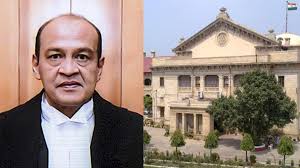
Justice Yashwant Verma created history by resigning before impeachment, this happened for the third time in the judicial world of India.

News India Live, Digital Desk: An incident has come to light in the history of Indian judiciary which has created a stir in the legal circles. Senior judge of Delhi High Court, Justice Yashwant Verma has resigned from his post. The special thing is that his resignation came at a time when there were indications of the beginning of the impeachment process against him in the Rajya Sabha. This is only the third time in the Indian judicial history that a judge has resigned and left the post just before the completion or commencement of the impeachment proceedings. What is the whole matter and why is Justice Verma in the news? After the recommendations of the Supreme Court Collegium against Justice Yashwant Verma and some serious complaints, the market of discussions was hot in the Parliament. According to sources, preparations were underway to bring a motion of impeachment against him. But before this process could gain momentum in Parliament, Justice Verma submitted his resignation to the President. His move is being considered strategic, because when removed by impeachment, a judge loses his pension and post-retirement benefits, whereas things are technically different in the case of resignation. Those two cases in judicial history when this happened before. Before Justice Yashwant Verma, there have been two other high profile cases in India where judges chose to resign out of fear of impeachment rather than a ‘honorable farewell’. Justice Soumitra Sen (Calcutta High Court): In 2011, Justice Soumitra Sen became the first judge in India against whom the Rajya Sabha passed impeachment. But he resigned just before voting took place in the Lok Sabha. Justice P.D. Dhinakaran (Sikkim High Court): Justice Dhinakaran, who was facing corruption charges, had also resigned from his post in the year 2011 before the impeachment process started. How does the complex process of impeachment work? Removing a High Court or Supreme Court judge in India is a very difficult process. It can be brought only on the basis of ‘proven misconduct’ or incompetence. For this, a proposal with signatures of 100 members of Lok Sabha or 50 members of Rajya Sabha is necessary. After this, an inquiry committee is formed and finally if the proposal is passed by two-thirds majority in both the houses of the Parliament, the President relieves the judge. In the case of Justice Verma, this long process ended before it could even begin. What will change now in the Delhi High Court? Justice Yashwant Verma was counted among the most influential judges of the Delhi High Court. After his resignation, there will be a change in the seniority list of judges in the High Court. Also, important cases pending with them will now be transferred to other benches. Legal experts say that this development may once again spark a new debate on the transparency and accountability of the judiciary.

Comments are closed.